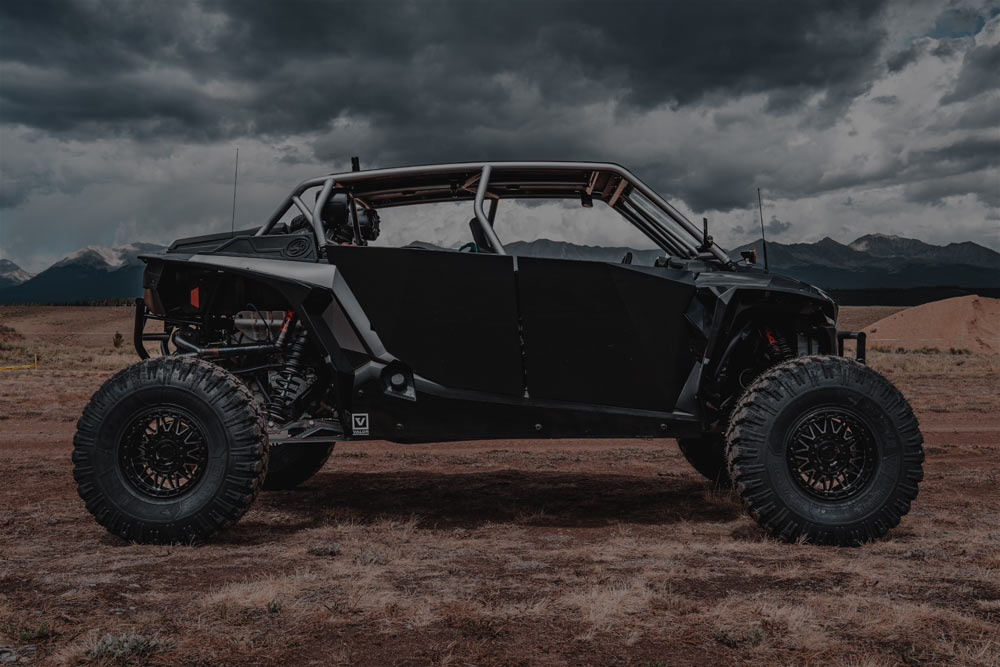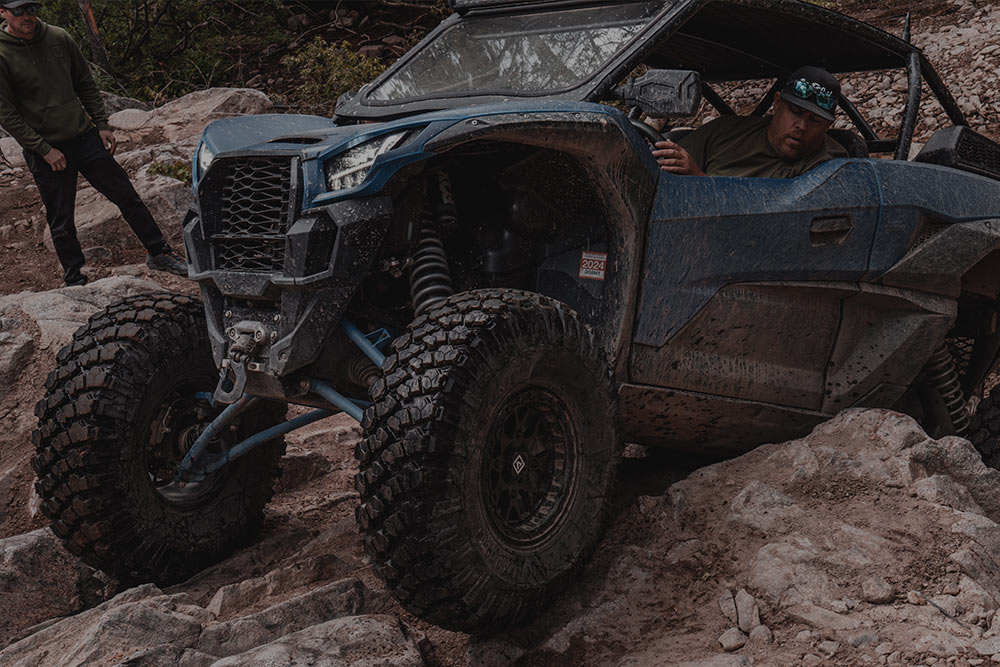



Valor Offroad was born in the mountains of Colorado by native founders. We know our big backyard well and know a thing or two about winter activity preparedness. We put this list together to ensure you have a great time on any ride you plan, no matter how cold it gets. We miss anything? Hit us up on Instagram and let us know what you think.
Step one: leave details of your entire trip and any variables you're planning for with a friend, family member, or ranger. This step may make the difference between life and death. There is nothing more valuable than ensuring someone knows when, where, and with whom you are on your ENTIRE trip.

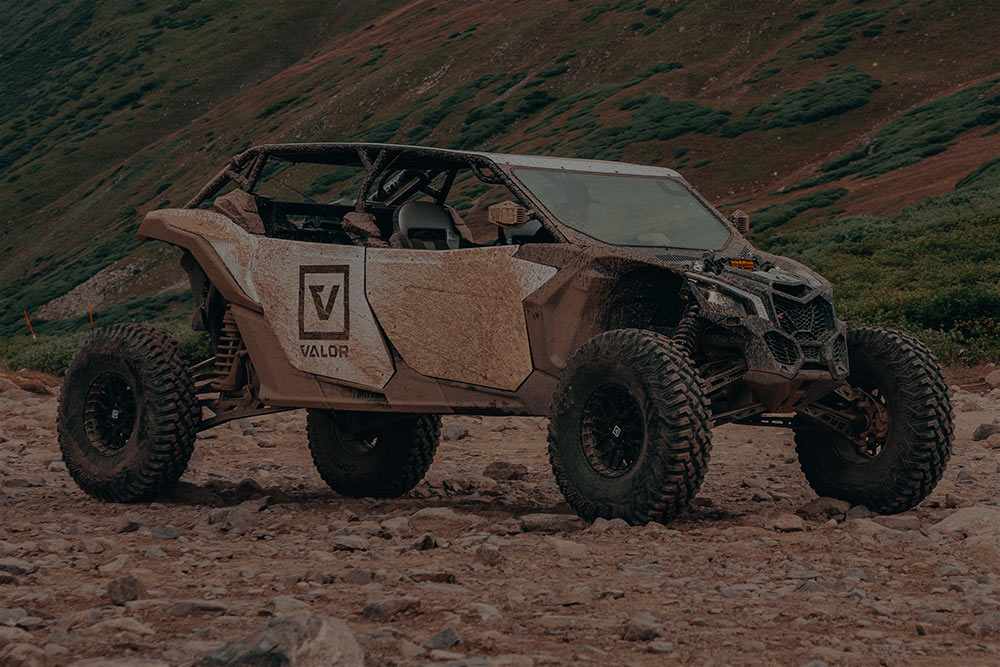
Argentine Pass - Georgetown, CO
What to bring on your next winter offroad ride:
Winter Clothing/Apparel:
- Layers. We recommend investing in some quality poly or wool layers (no cotton EVER; remember, cotton kills). Layers are typically designed for three purposes: Base layer (tightly fitting, touching your skin, lightweight and very breathable/wicking), mid layer (flexible, breathable and designed to dump heat when you remove outer layer or top layer if you're exerting yourself), and a top layer (top/outer layers consist of an insulating layer made of man-made poly fill or down). A waterproof outer "shell" will round out this combo, ensuring you have plenty of options for temperature swings (sun/shade/wind/rain).
- Driving gloves. You may feel like your summer gloves will work when you're at basecamp, but trust us, when you're pushing 45-60MPH, your hands are going to be blocks of ice unless you put a barrier between them and the wind. You may opt for a windshield to cut some of the nip out of the wind; however, we still recommend investing in a good pair of winter ski/snowboarding gloves that repel moisture and insulate your digits. Leather does a great job of keeping water out; however, there are many products that incorporate Gore-Tex-style properties to keep you dry and happy. We typically bring a medium duty glove for temps in the 40-50's, however once that thermometer drops below 40, you'd better bring your big gloves, trust us.
- Helmet. If you have a windshield, skip to the next bullet. For the rest of you, you're going to thank us for this. A good full-face helmet keeps your melon nice and toasty, regardless of what Mother Nature throws at you. You can use a motocross-style helmet with goggles; however, nothing beats the windscreen a full-face helmet provides. A bonus is that most helmets now include built-in speakers and communication, so you can chat in normal voice with your passengers or share your winter playlist. You don't need to break the bank to get a nice helmet. Klim or Solid helmets are a great, affordable option. We like to use a thick buff around our neck to keep the wind from entering the jacket/layers mentioned above.

- Boots. You may be thinking, well, my feet will be in the cab for most of the trip, so I don't need to wear clunky waterproof boots, right? Wrong. If you don't already own good waterproof boots, get some; they help ensure a good ride and are crucial when you have an ill-timed bad ride (flat, break, flip, run out of gas).
In your pack box or backpack:
- Food/Water. Figure out what food and drinks you'd like to bring. Got it? Good. Now double it. You never know what your day or trip will look like, especially when you'll be hard to get to and may not run into anyone else on the trail. Always remember to bring enough for you and all your passengers to survive, keeping your body warm, nourished, and well hydrated. Riders only make the mistake of not bringing enough food/water once.
- Long-range comms. Make sure that, if you are in a pinch, you can radio out to rangers or other riders who may be able to give you a hand. Not only are in-cab communications great for chatting with your fellow passengers, but they are also a great survival tool when things take a turn for the worse.
- Tools. You know your skill level, so pack accordingly. Make sure you know the basics before you head out into a snowstorm.
- Toilet paper/wipes. Self-explanatory. Bring a packable shovel for an even better experience.

Other things to consider for winter offroading:
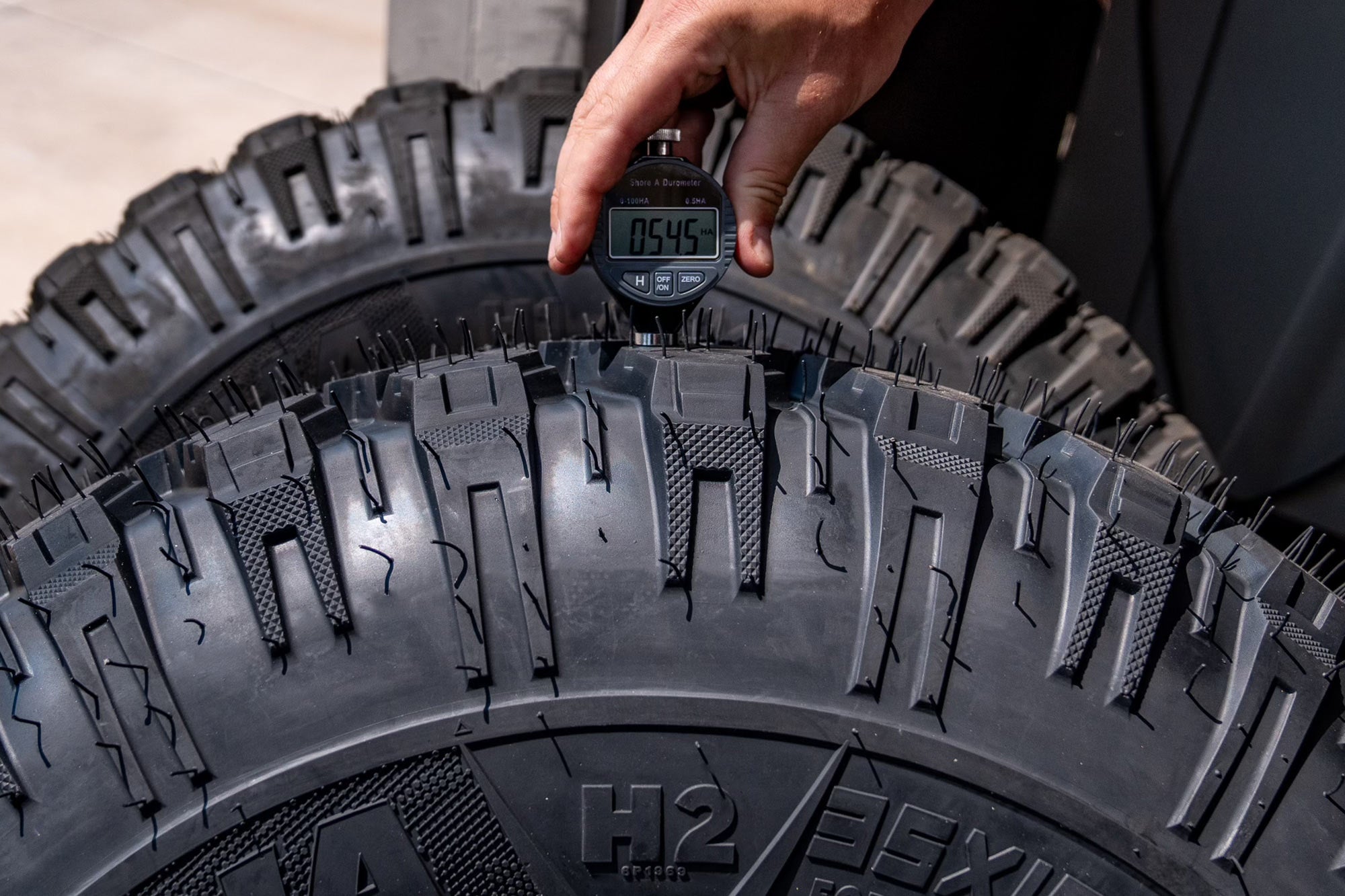
- Tire Pressure. Your tire pressure changes by about 1 psi for every 10-degree change in temperature, so keep an eye on it. Add air as needed, and recheck after some time riding to ensure you're not over-pressured.
- Pre-heat your engine. Depending on how cold we're talking, starting your engine after it's been sitting in the snow will be a chore in itself. However, once you do get it started, let your engine idle for a few minutes before punching the gas. This allows your oil and other vital engine components to reach operating temperature. Once you drop into gear, take it easy for the first couple of miles.
- Stay on trail. Just because your visibility drops doesn't mean you get to create your own path. If you know the trail, stick to it. If you have a GPS or navigation system, use it to maintain the correct direction and respect any signage or markers.
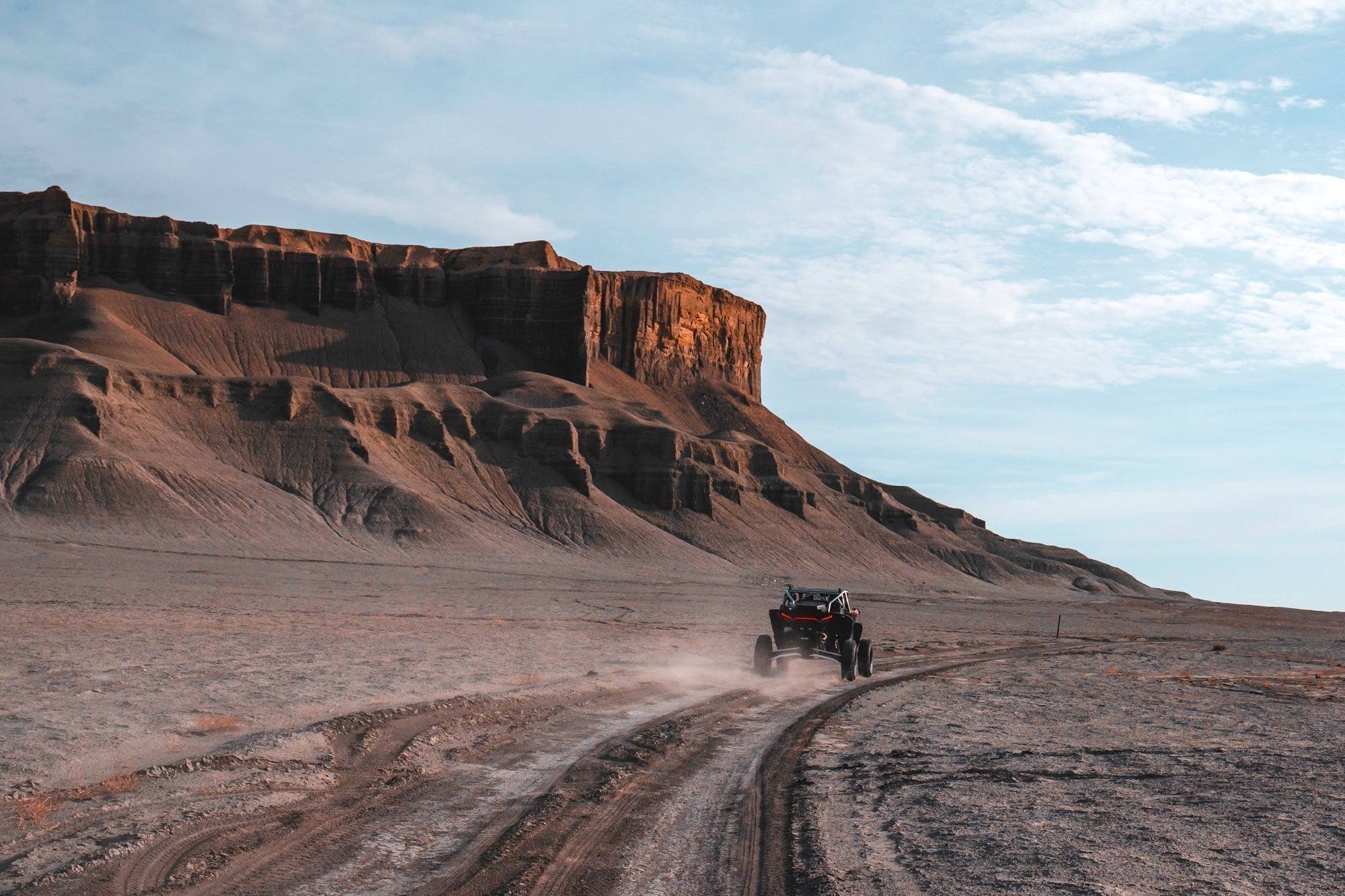
- Fuel. If you're planning to go into the badlands alone and expect little to no other human contact, bring extra fuel. Things happen; plan accordingly. Best case, you get stuck and need some extra gas to get home, and you have it; worst case, you help another stranded rider who REALLY appreciates you being prepared.

Most importantly, have a great time.
Cold, heat, rain, snow, sleet... whatever is thrown your way, you can always have a blast as long as you over-prepare and have the right gear. We all know this isn't the cheapest hobby; spend a few extra bucks on the above to ensure you can enjoy your toy for any season.