

Bigger Tires Don’t Give Your ATV a Bigger Payload
The cooler fits. The tool bag fits. There’s still room for the chainsaw, an extra jacket, and that storage box you installed last spring. Your ATV starts, pulls away, and doesn’t seem bothered. So you’re good, right? There’s a little more to it. An ATV’s engine can make a loaded machine feel capable without telling you whether you’ve stayed within its weight limits. And when you start shopping for stronger wheels or higher-rated tires, it’s easy to assume those upgrades give you more room to carry gear.
Before loading up for a workday or a long trail ride, it helps to understand which numbers belong to the vehicle and which belong to individual parts.
Your ATV has several weight limits working together
“Capacity” gets used for a few different things. A towing number, a rack number, and a tire rating describe different jobs. Here’s what to look for in your owner’s manual:
| Limit | What it describes |
|---|---|
| Maximum weight capacity | The permitted combined load added to the ATV, as defined by its manufacturer |
| Front rack capacity | The load permitted on the front rack or designated storage area |
| Rear rack capacity | The load permitted on the rear rack |
| Hitch tongue capacity | The downward weight permitted at the hitch |
| Towing capacity | The trailer load the ATV is permitted to pull under specified conditions |
Polaris identifies these as separate specifications in its ATV hauling guidance. Meeting one limit doesn’t mean you’ve met the others. Your exact model, trim, and manual determine the applicable numbers. Polaris Off-Road: That distinction matters when a big towing figure catches your eye. It tells you about pulling a load under stated conditions; it doesn’t describe what you can stack on the racks.
Payload isn’t just the stuff you pack that morning. The operator and added accessories count, too. For a concrete example, Polaris lists the following capacities for the 2025 Sportsman 570, 570 EPS, and Premium in its owner’s manual:
| Specification | Published limit |
|---|---|
| Maximum weight capacity: operator, cargo, and accessories | 485 lb |
| Front rack/storage box | 90 lb |
| Rear rack | 180 lb |
These figures apply to those listed models, rather than every Sportsman or ATV. Polaris Online Publication Portal
Now imagine an illustrative setup with a 230-pound rider, including worn riding gear, plus 55 pounds of added accessories. Subtracting those from 485 leaves 200 pounds before additional cargo or hitch load. That’s a calculation of remaining overall capacity—not permission to put 200 pounds on the rear rack. Its separate limit still applies, along with the manufacturer’s loading instructions. This is where a scale earns its keep. Weigh the storage box with its mounting hardware. Weigh the cooler after adding drinks and ice. A bag labeled “tools” is much easier to account for when you know what it weighs.

A higher tire rating doesn’t raise the vehicle’s limit
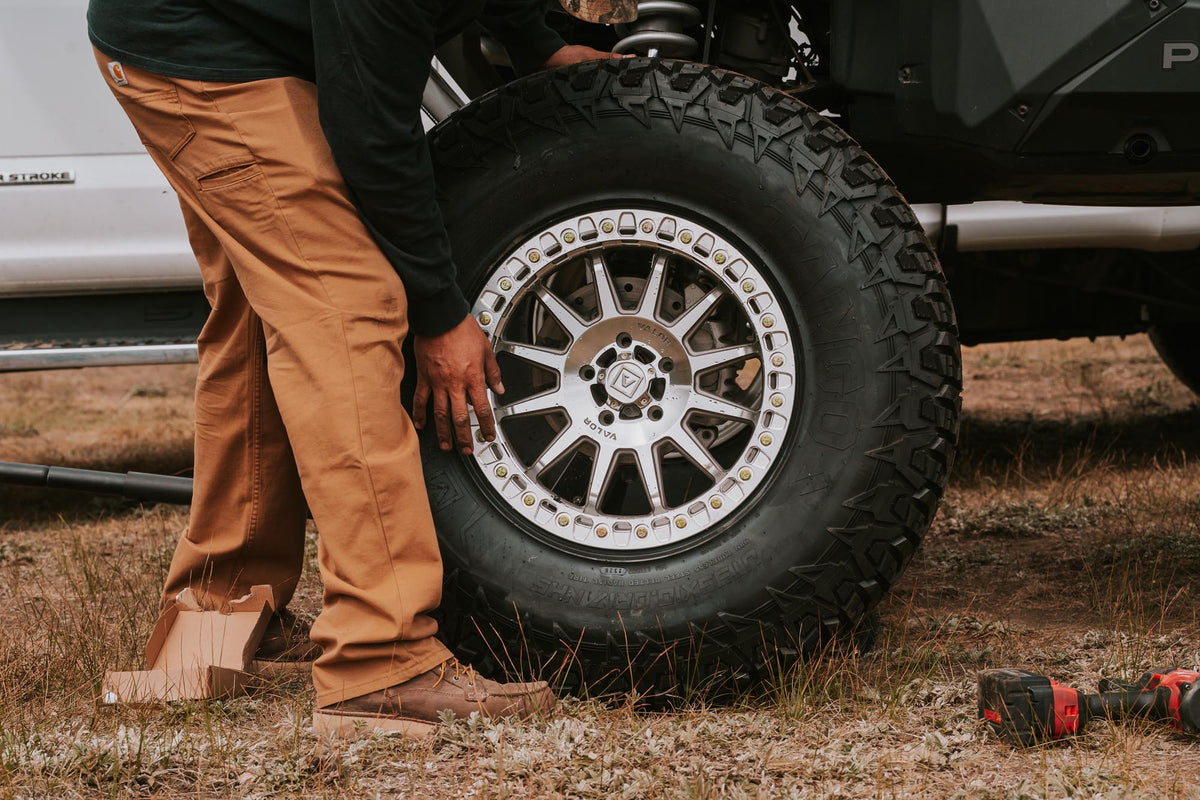
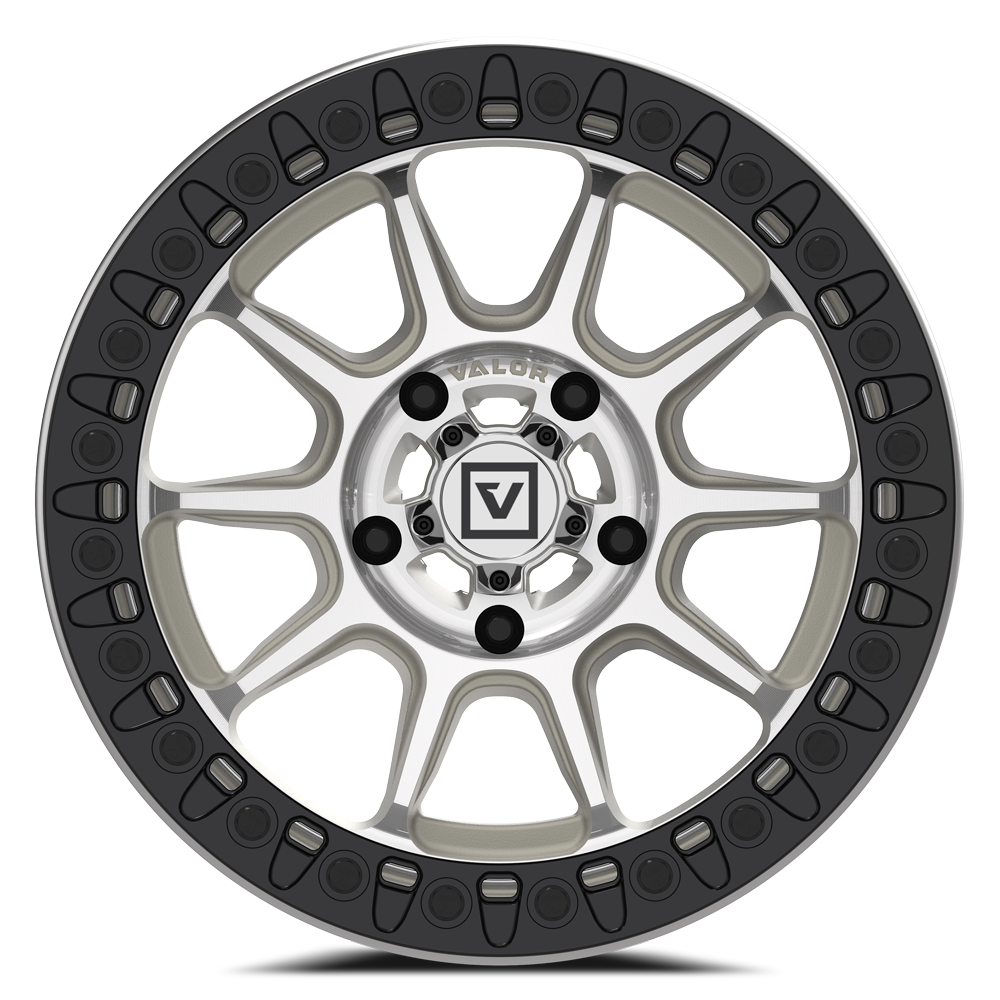
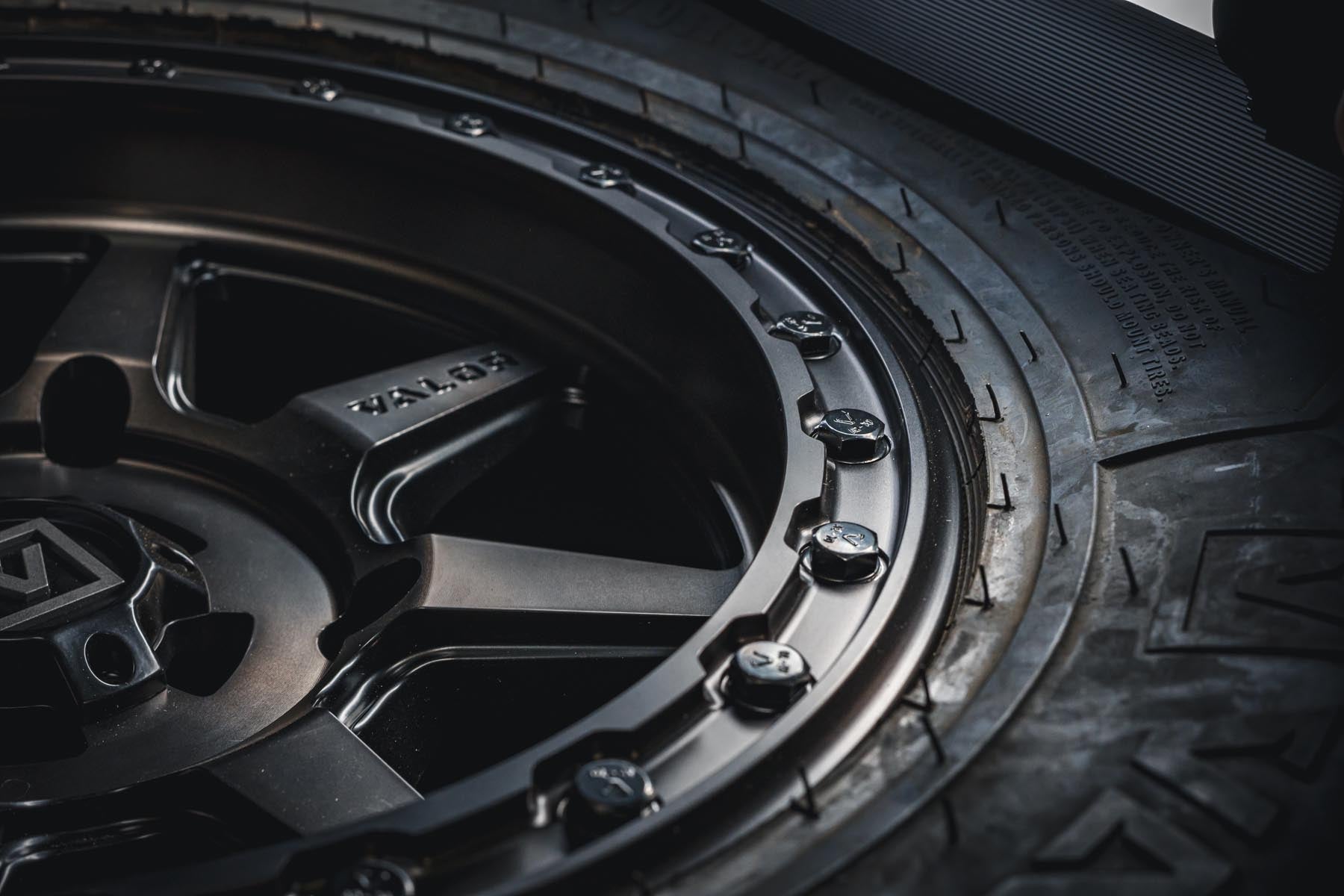
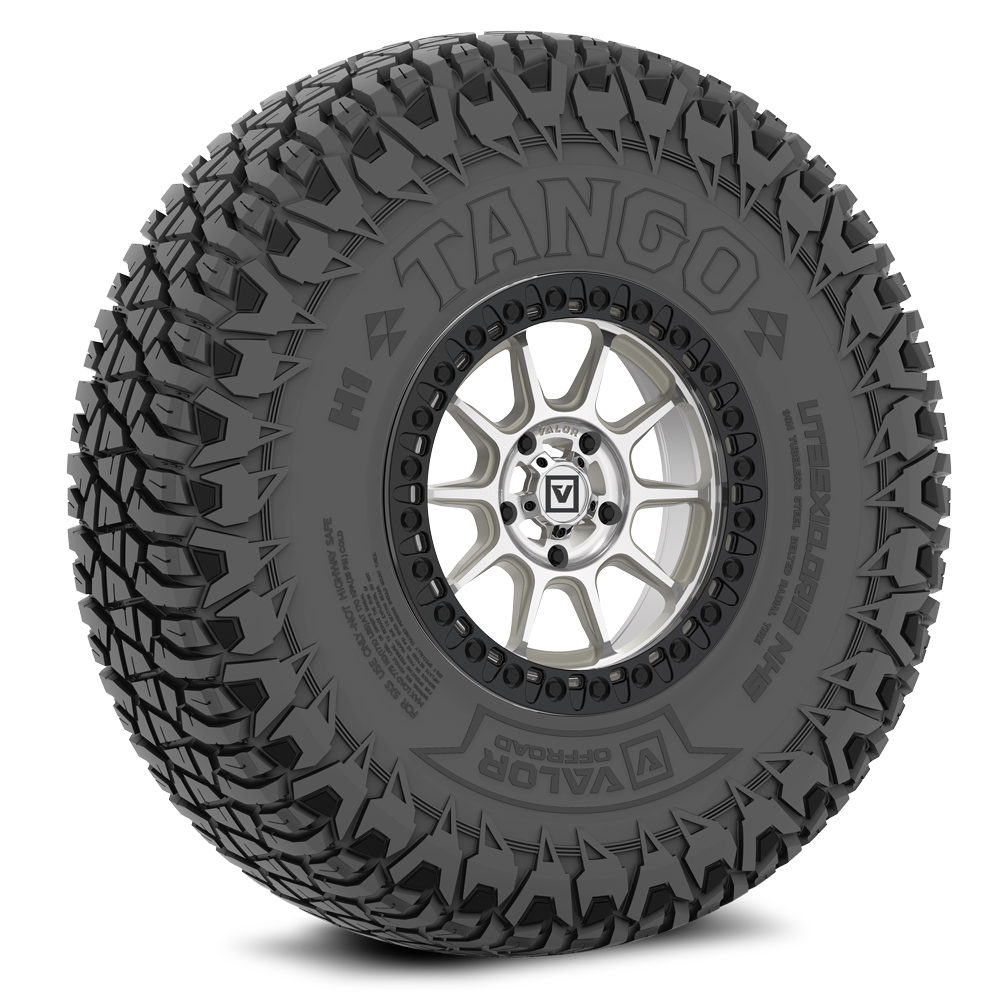
A tire’s load rating describes what that tire can support under specified conditions. It doesn’t replace the ATV’s capacity. The practical takeaway for an ATV build is straightforward: choose suitable wheels and tires, then continue following the ATV’s published limits. Valor’s Product Specs list wheel load ratings separately from wheel sizes, offsets, and weights. These specs help you choose products that check your boxes. Adding the ratings of four wheels together won’t tell you how much cargo your ATV can carry. Valor Offroad
Also, tire selection must account for the machine’s own weight as well as what it carries. Dividing your cargo allowance by four leaves out a major part of the load. Have a qualified powersports professional confirm the wheel-and-tire combination for your vehicle and use.
Where you carry the weight matters
A load can be within the weight limits and still be arranged poorly. Manufacturer guidance calls for securing cargo, keeping it low, and following the specified front-to-rear distribution. Polaris also advises reducing cargo and speed over rough or hilly terrain and allowing more braking distance when loaded. Polaris Online Publication Portal
Think through the whole day when planning the load. Will you bring additional equipment back? Will an empty container leave full? Make room in the plan before leaving, rather than relying on whatever rack space remains. A useful habit is keeping a simple load list on your phone: rider and riding gear, added accessories, front cargo, rear cargo, and hitch load when towing. Update it when the setup changes.
Build around the job you actually do
Visit and talk to your local dealer or UTV shop about how you use your ATV. A machine carrying work equipment needs a different conversation from one used mostly for unloaded trail rides. Start with our ATV wheel collection and fitment guide, then confirm the exact application before ordering. Fitment includes load requirements, clearance, installation details, and bolt pattern. Valor Offroad
Sources:
- Polaris ATV Hauling and Towing Guide — definitions and hitch-load considerations.
- 2025 Sportsman 450/570 Owner’s Manual — model-specific example.
- Polaris Hauling Cargo guidance — cargo placement and loaded operation.