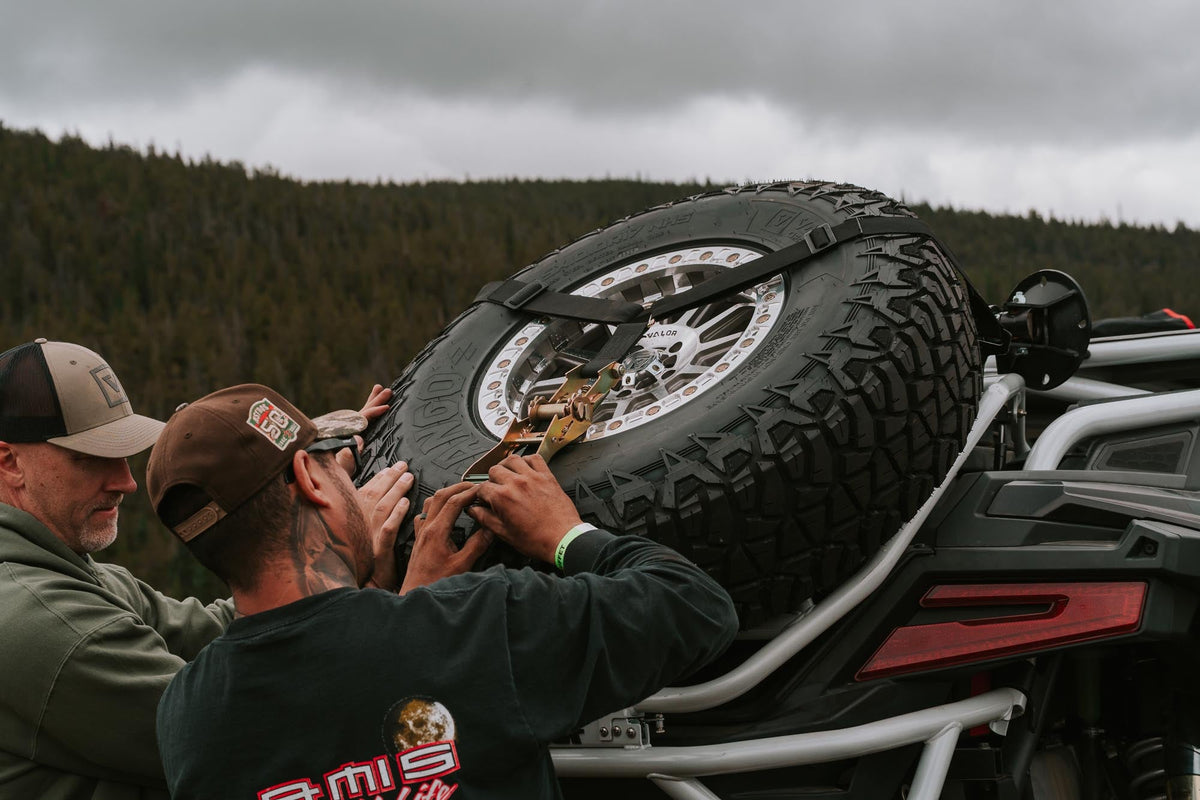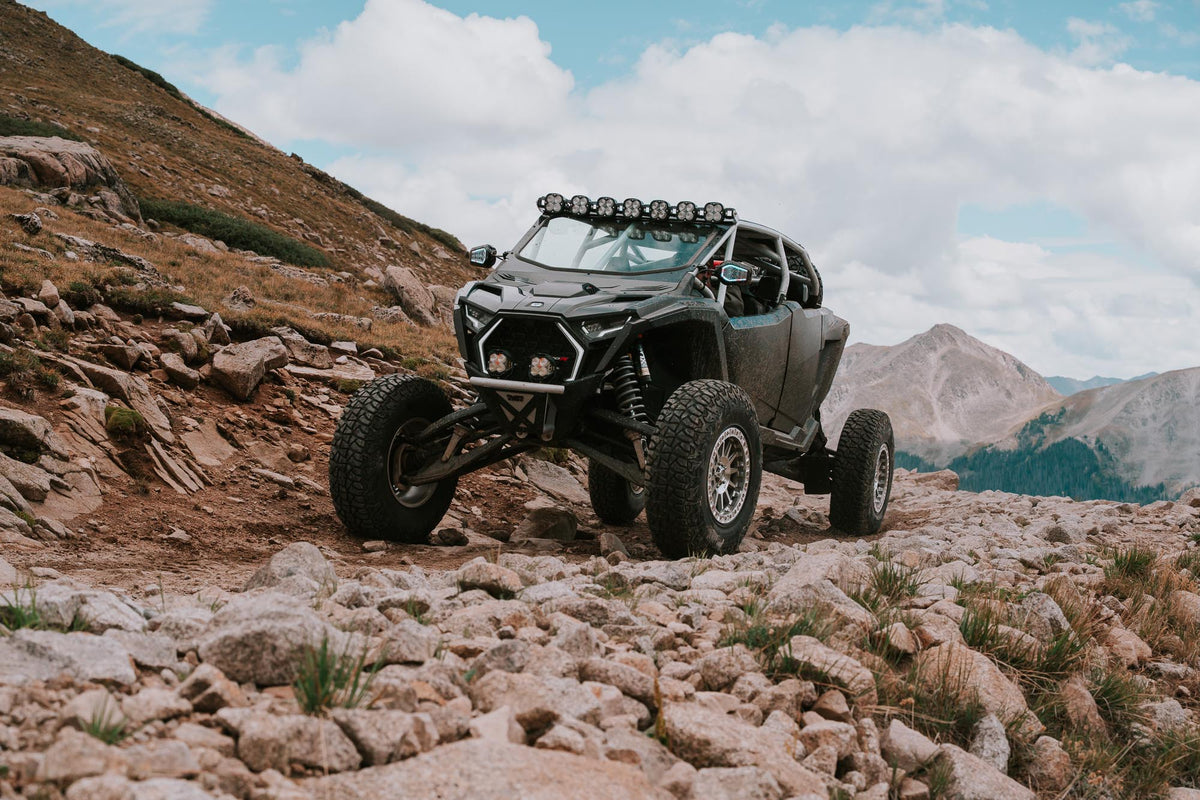


You bought a spare, bolted it to your rear or roof, and checked “flat tire plan” off the list. Fair enough. It’s easy to feel prepared when there’s an extra wheel hanging off the back of your machine.
But before the next ride, ask yourself one question: Have you confirmed that spare works with the vehicle you’re driving today? Maybe you’ve changed tire sizes. Maybe your new wheels use different lug nuts. Maybe that spare came with the used SXS you bought, and nobody explained what it fits. A little homework in the garage can uncover those problems while they’re still easy to fix.
Here’s how to give your spare setup a useful reality check. Make a quick record of your vehicle’s year, model, and trim, along with its current wheel and tire specifications. Include any spacers, portals, brake upgrades, or suspension changes. Then compare that information with the spare.
Think about a used spare advertised simply as “fits a Polaris.” That description leaves plenty of unanswered questions. Get the actual specifications before making it part of your recovery plan.

Know which wheel positions your spare can cover
Don’t automatically assume one spare works at every corner. Check your front and rear setup separately. Are the wheel specifications the same? Are the tire sizes the same? Does either axle have clearance requirements that affect your spare choice?
Polaris’ 2025 RZR Trail manual specifically notes that wheel configurations can restrict rotation and tells owners to observe tire directional markings. That’s a good reminder to check the details rather than treating every wheel position as interchangeable. Polaris Online Publication Portal
Ask your dealer or qualified installer to identify the positions where your spare is suitable. If the answer comes with limitations, write them down. You want a clear plan before the trip—not a debate about front versus rear fitment while everyone waits beside the trail.
Treat tire size as a compatibility question
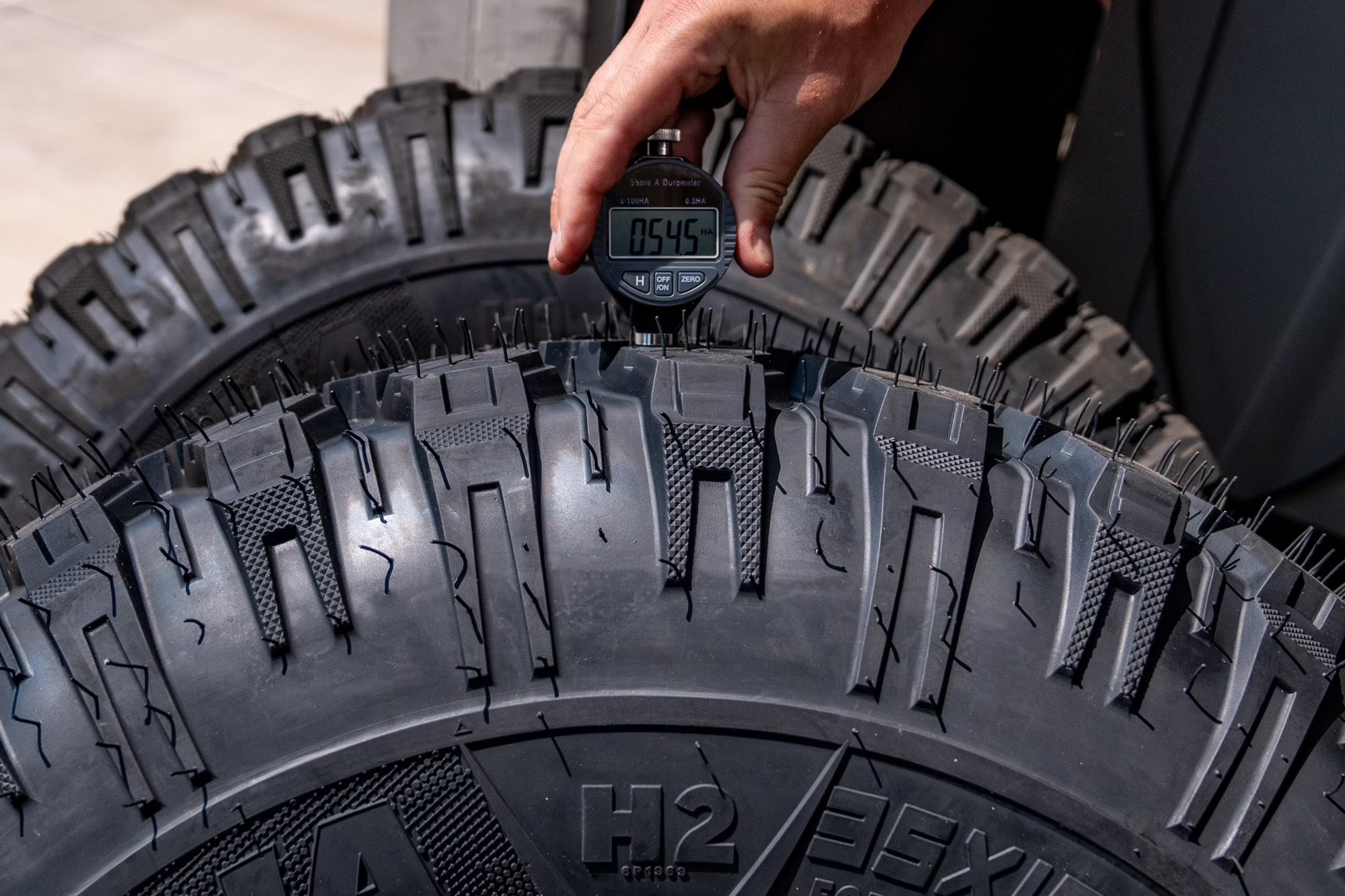
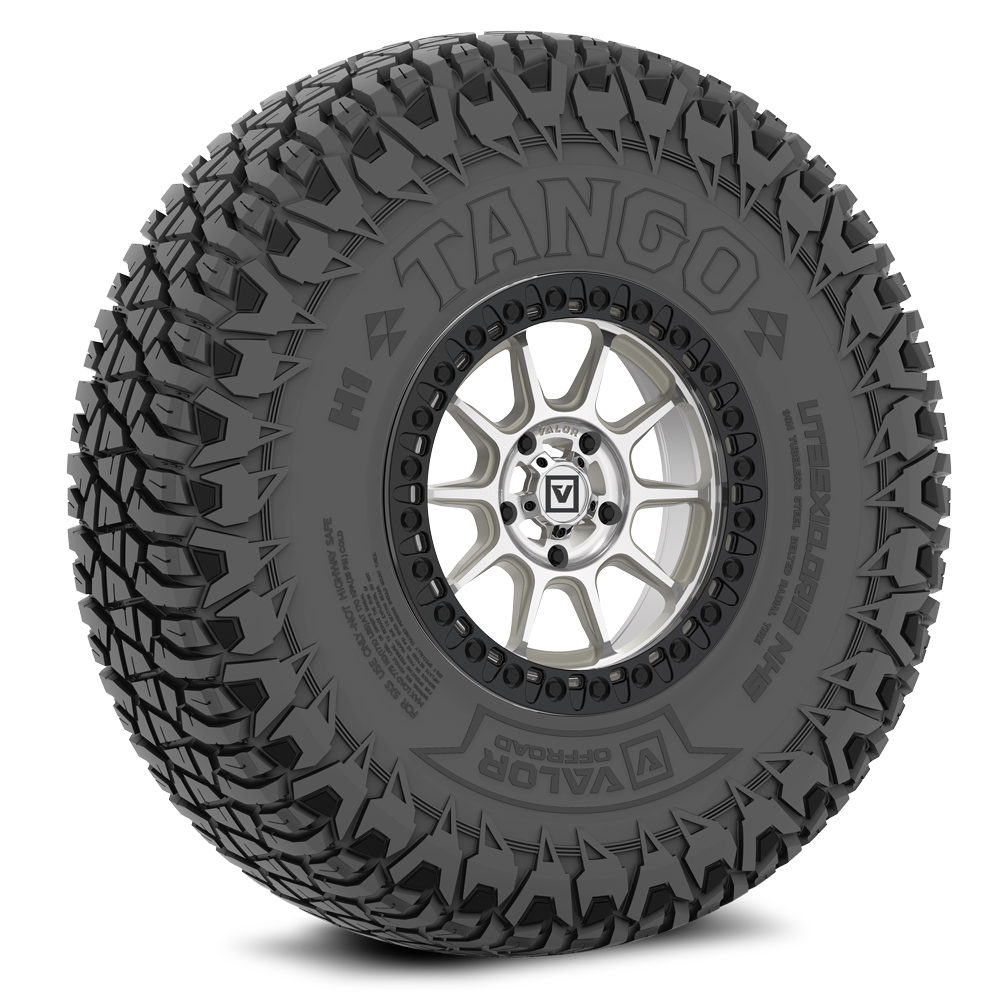
If you’ve upgraded the four tires on the ground, revisit the fifth one on the carrier. For example, imagine switching to a larger tire package while leaving your previous spare untouched. It’s still inflated, still mounted, and still looks ready. But the setup it was selected for has changed.
Don’t use a blanket “close enough” rule to decide whether that mismatch is acceptable. Check the vehicle manufacturer’s requirements and have a qualified professional confirm the proposed combination. Keep a photo of your specific vehicle's wheel/tire specifications on your phone. It’s useful when ordering a replacement or explaining your setup to a shop.
Check the little tools before they become big problems
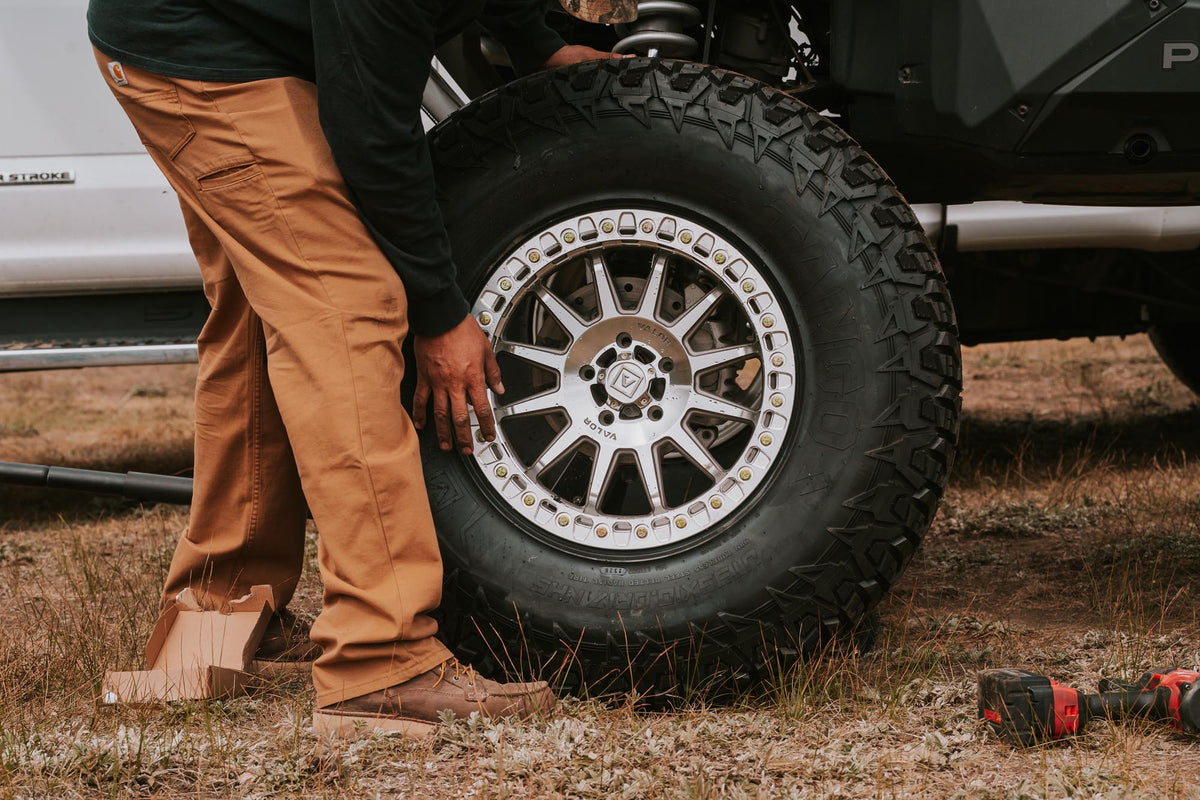
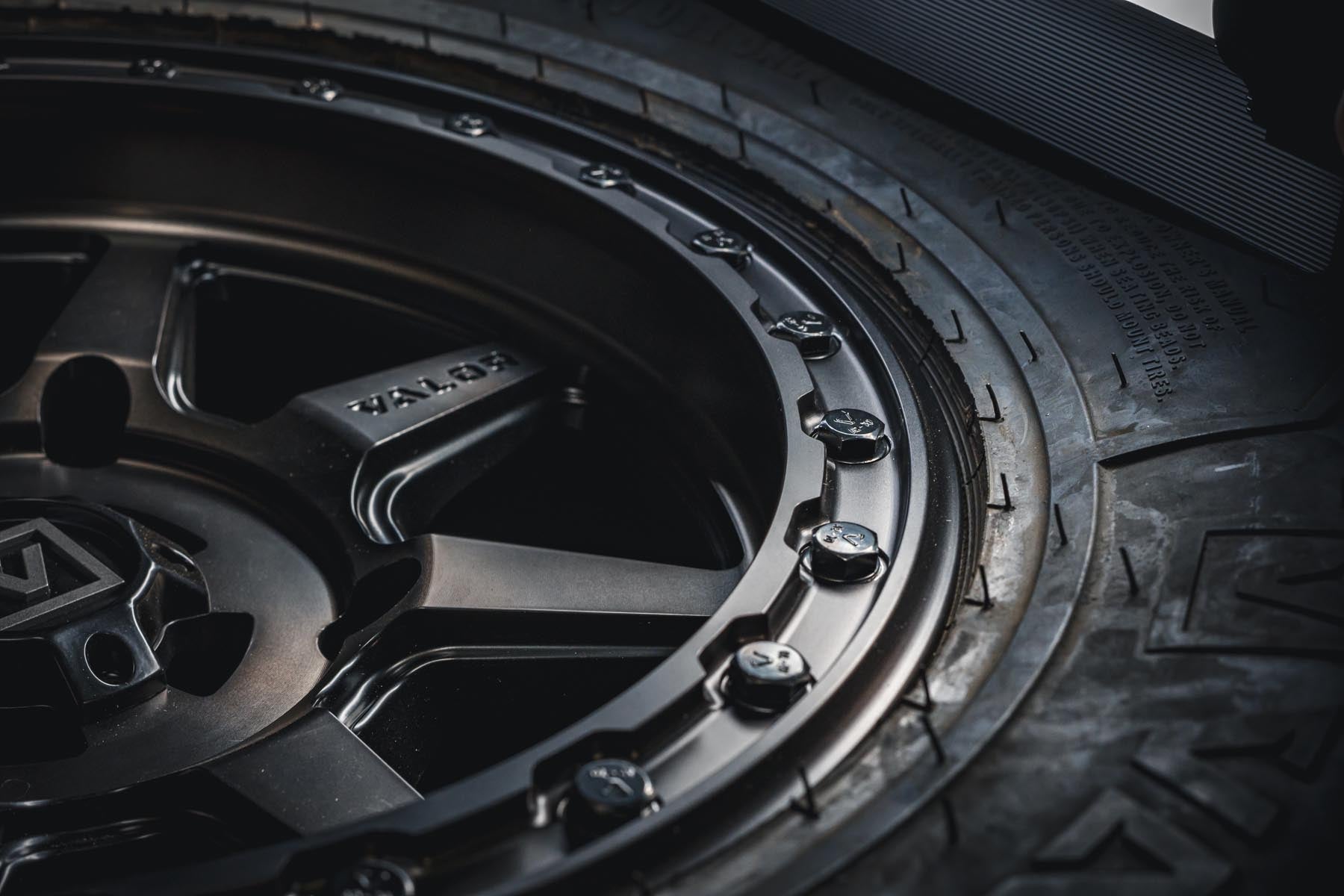
Lay out the tools you actually carry on the machine. Can the socket reach the wheel’s lug nuts? Is the spline key packed? Can you remove the carrier’s retaining hardware? Is the required tool buried beneath gear you’ll have to unload? Valor Offroad wheels have smaller lug holes and require different installation hardware from the OEM factory wheel. That makes the correct lug nuts and tool access worth checking together. Check out our FAQ for additional guidance.
A useful garage exercise is to gather everything needed for the change using only your onboard kit. Anything you have to borrow from the toolbox becomes an item to add—or a reason to rethink the kit.
Give a shared group spare the same scrutiny
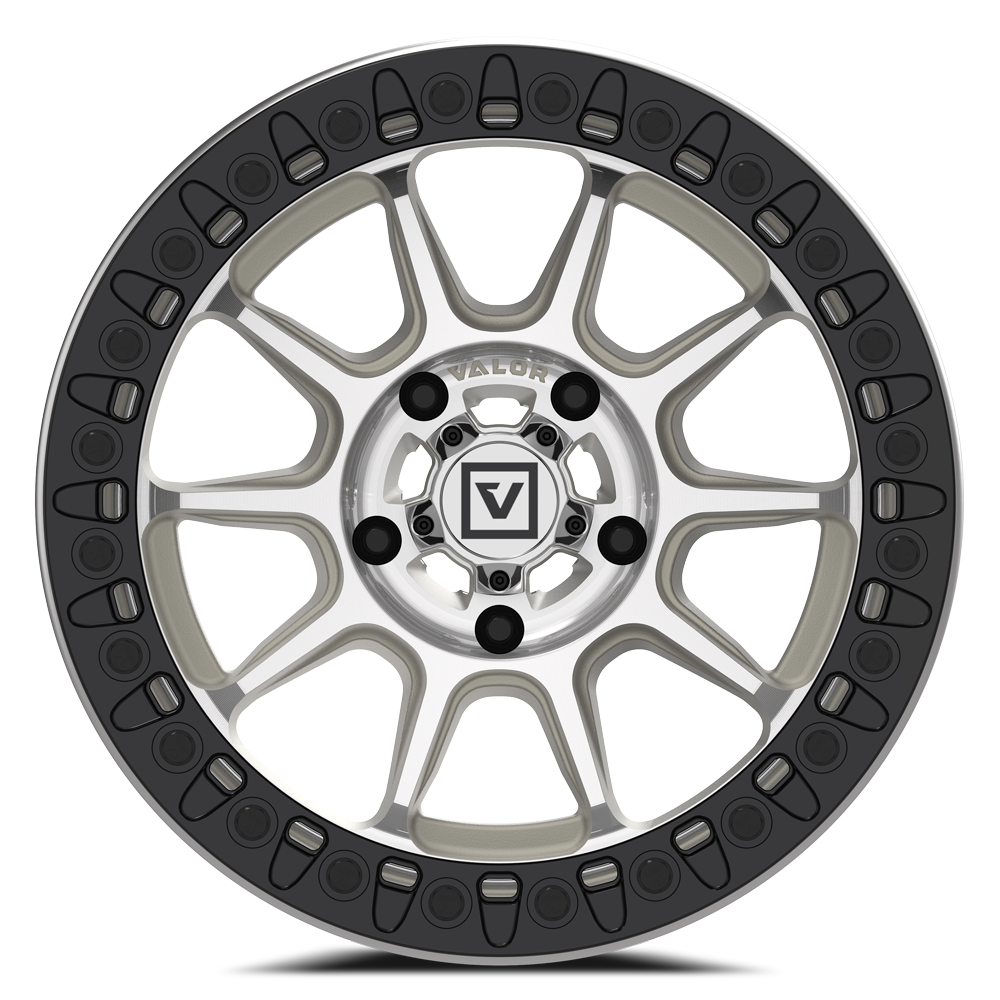
Sharing a spare sounds great when several machines ride together. Just be specific about what “shared” means. Valor Offroad offers several dual-drill UTV wheels with both 4x137 and 4x156 bolt patterns. That gives the wheel two mounting-pattern options that fit the majority of vehicles on trail; however, it doesn’t make every tire, offset, lug nut, or vehicle combination compatible. The two-digit "76" stamped on the back of Valor Offroad wheels indicates your wheel is dual-drilled. The 7 stands for 37 and the 6 stands for 56.

Valor Offroad Stamped Code Identification:
56 - 4x156
37 - 4x137
76 - Dual Drill 4x137 and 4x156 (see image above)
05 - 5x114.3
06 - 6x139.7
Before relying on a group spare, make a short list of the exact machines and wheel positions it has been checked for. Include any required hardware. That list is especially helpful when friends change vehicles or upgrade their builds. A spare selected for last year’s group deserves another look before this year’s trip.
Practice the process somewhere convenient
Arrange a practice wheel and tire swap on firm, level ground. Use the practice session to check access, tools, and how you handle the spare. Verify clearance at every intended position; simply bolting a wheel on while parked doesn’t establish clearance throughout steering and suspension movement. Follow your vehicle's recommended torque specifications and recheck instructions.

Make sure the spare is accessible and maintained
Remove the spare from its carrier occasionally. Inspect it for damage, double-check PSI, and make sure you can reach the valve stem. Valor’s extended-ride guide includes tire inspection, cold-pressure checks, and carrying a spare in its preparation advice. Offroad Packing List
Before your next ride, aim to answer three questions confidently: Where does this spare fit? What do I need to install it? Has anything changed since I last checked?
For help building your plan, start with the fitment resources above and read How to Handle a Flat Tire. Give your spare the same attention you give the four tires carrying you down the trail.
Sources and review notes
- Valor: Fitment Guide, FAQ, and Dual-Drill Wheels.
- Polaris: 2025 RZR Trail Owner’s Manual and Spare Tire Carrier Instructions.