



When shopping for aftermarket ATV wheels, it is important to understand the difference between SRA wheels and IRS wheels. While many ATV wheels may share the same bolt pattern, the correct fitment depends heavily on the vehicle’s rear suspension design, wheel offset, and intended track width.
SRA stands for Solid Rear Axle, while IRS stands for Independent Rear Suspension. These two ATV suspension systems use different wheel fitments because they position the wheel hubs differently on the vehicle.
What Is an SRA ATV Wheel?
An SRA ATV wheel is designed for machines with a solid rear axle. On a solid-axle rear ATV, both rear wheels are connected by a single axle that spans the rear of the vehicle.
This setup is common on sport ATVs and performance-focused machines because it is simple, strong, predictable, and easy to maintain. Popular SRA-style ATVs include models like the Yamaha YFZ450R, Yamaha Raptor 700, Honda TRX450R, Suzuki LT-R450, Honda TRX400EX, and similar sport quad platforms.
The key difference with SRA fitments is that the rear wheels often require a much deeper offset than the front wheels. This helps maintain proper rear track width and gives many SRA rear wheels their recognizable deep-dish appearance.
What Is an IRS ATV Wheel?
An IRS ATV wheel is designed for machines with independent rear suspension. On an IRS ATV, each rear wheel moves independently using its own suspension arms, hub assembly, and axle shaft.
IRS is common on utility, trail, and recreational ATVs because it improves comfort, traction, and suspension movement over rough terrain. Popular IRS ATV platforms include the Polaris Sportsman, Can-Am Outlander, Yamaha Grizzly, Honda Rubicon, Kawasaki Brute Force, CFMOTO CForce, and Suzuki KingQuad.
Unlike many SRA setups, IRS ATVs typically use the same wheel size and offset on all four corners. This makes fitment more consistent and can simplify tire rotation, spare wheel compatibility, and inventory management.
Why SRA and IRS Wheels Use Different Offsets
The biggest reason SRA and IRS ATV wheels are different comes down to wheel offset and vehicle track width.
On an SRA ATV, the rear axle itself helps determine the width of the vehicle. Because of this, rear wheels are often built with a deeper offset to place the tire in the correct position. If the wrong offset is used, the ATV can become too narrow or too wide, which can negatively affect handling and stability.
On an IRS ATV, each wheel mounts to its own hub assembly. Because the front and rear suspension layouts are more similar from a wheel-positioning standpoint, many IRS applications use matching wheels front and rear.
Can You Use IRS Wheels on an SRA ATV?
In most cases, IRS wheels should not be used on an SRA ATV unless the fitment has been carefully verified. Even if the bolt pattern matches, the offset may be incorrect.
Using IRS-style wheels on a solid rear axle ATV can cause:
- Incorrect rear track width
- Reduced stability
- Poor handling characteristics
- Unwanted changes to steering feel
- Clearance issues depending on tire size
Can You Use SRA Wheels on an IRS ATV?
Using SRA rear wheels on an IRS ATV can also create fitment problems. Deep-dish SRA rear wheels may push the tires too far outward, increasing overall width and adding unnecessary leverage to suspension and hub components.
This can lead to:
- Increased bearing and hub load
- Fender clearance issues
- Excessive tire poke
- More steering feedback
- Improper suspension geometry
Why Bolt Pattern Alone Is Not Enough
Many ATV owners assume that if the bolt pattern matches, the wheel will fit correctly. That is not always true. A proper ATV wheel fitment must account for:
- Bolt pattern
- Wheel diameter
- Wheel width
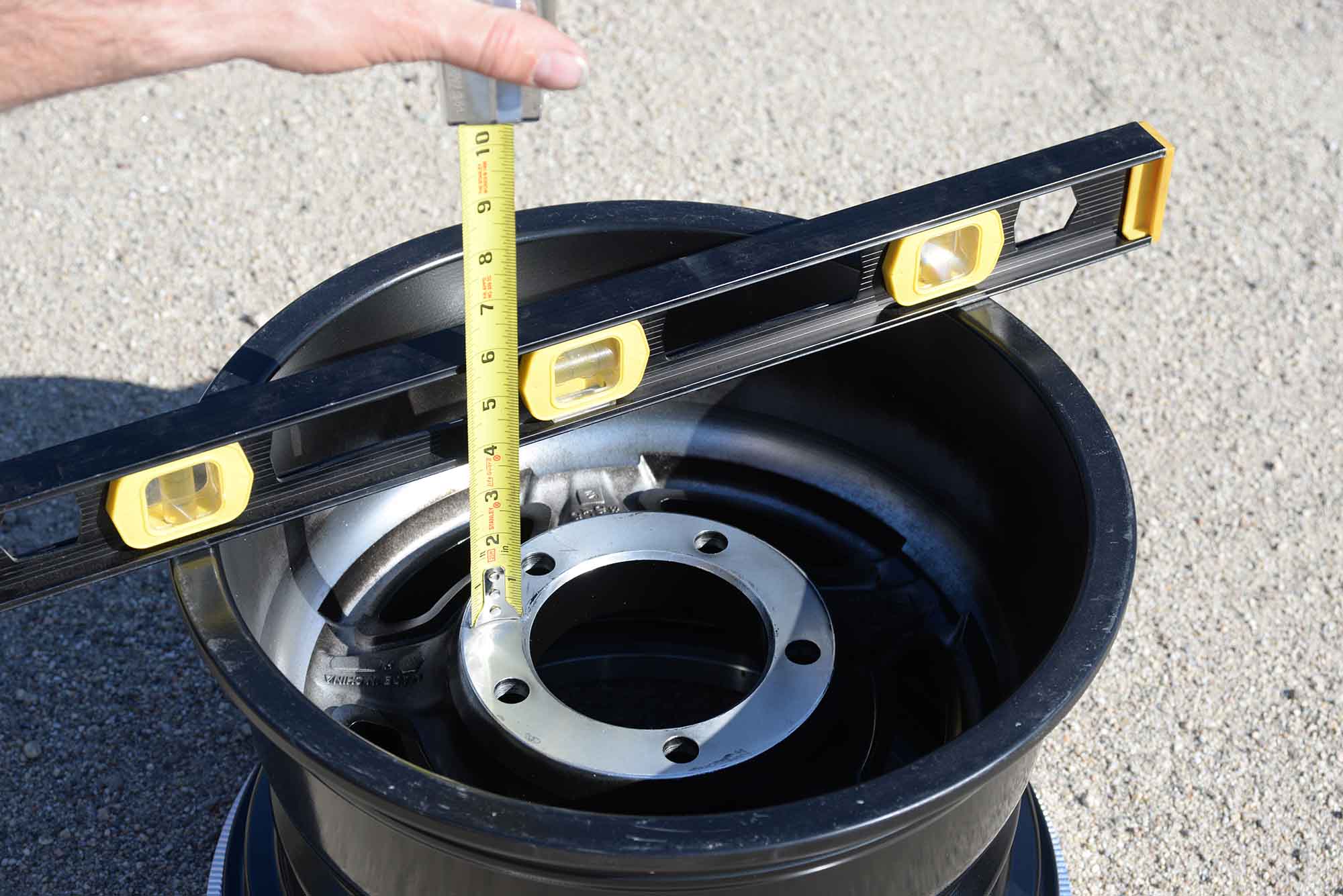
- Wheel offset
- Suspension type
- Brake caliper clearance
- Tire size
- Desired vehicle width
For SRA and IRS ATV applications, offset is one of the most important fitment measurements. Choosing the wrong offset can dramatically change how the ATV handles, how wide it sits, and how much stress is placed on components.
Why Valor Offroad Offers Dedicated SRA and IRS ATV Wheel Fitments
At Valor Offroad, ATV wheel fitment is developed around the vehicle’s actual suspension layout, not just the bolt pattern. That means dedicated fitments are selected for both SRA ATV wheels and IRS ATV wheels to help maintain proper track width, stability, steering feel, and overall performance.
Whether you ride a sport ATV with a solid rear axle or a utility ATV with independent rear suspension, choosing the correct wheel fitment helps preserve the way your machine was designed to perform.
Choosing the Right ATV Wheel for Your Suspension Type
The difference between an SRA wheel and an IRS wheel may not always be obvious at first glance, but it matters. SRA-style ATVs often require staggered wheel offsets with deeper rear wheels, while IRS-style ATVs commonly use matching wheels on all four corners.
Before purchasing new ATV wheels, always verify your suspension type, bolt pattern, wheel size, and offset. The correct fitment will help deliver better handling, proper stance, reliable clearance, and a safer ride on the trail, track, or dunes.