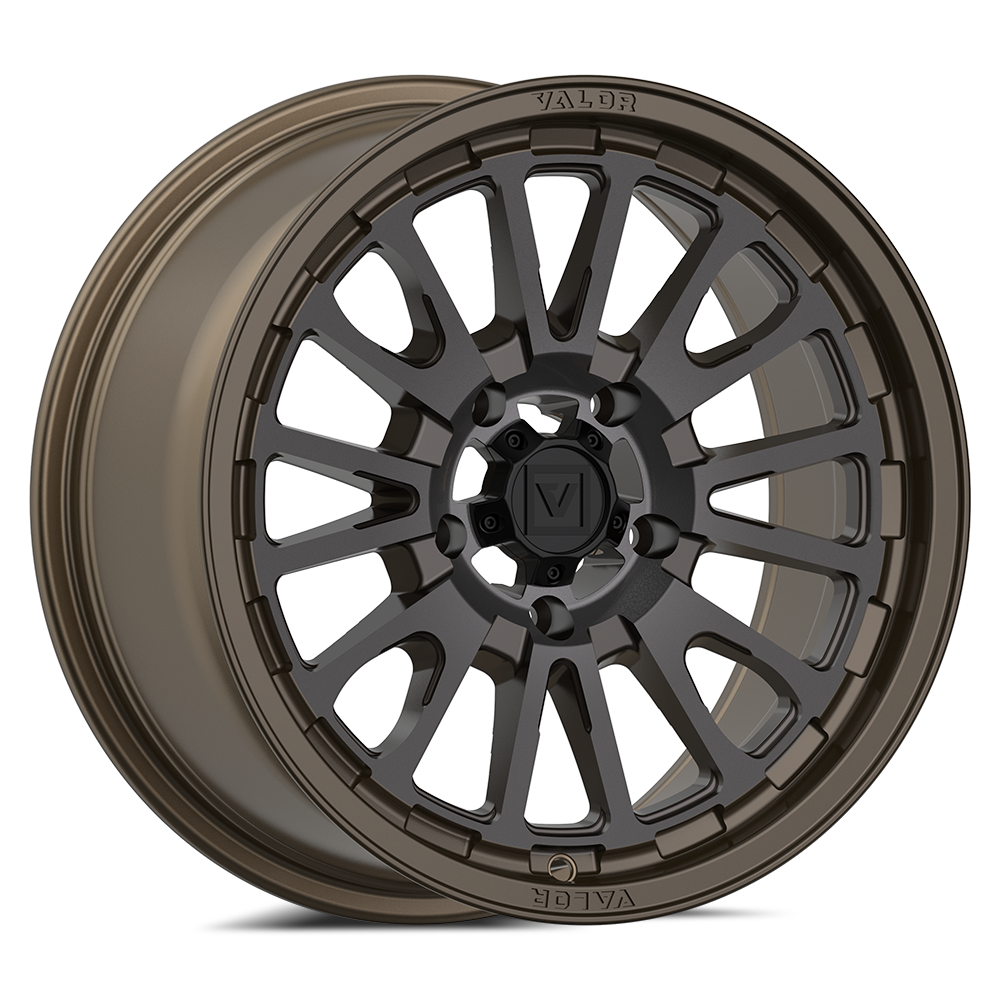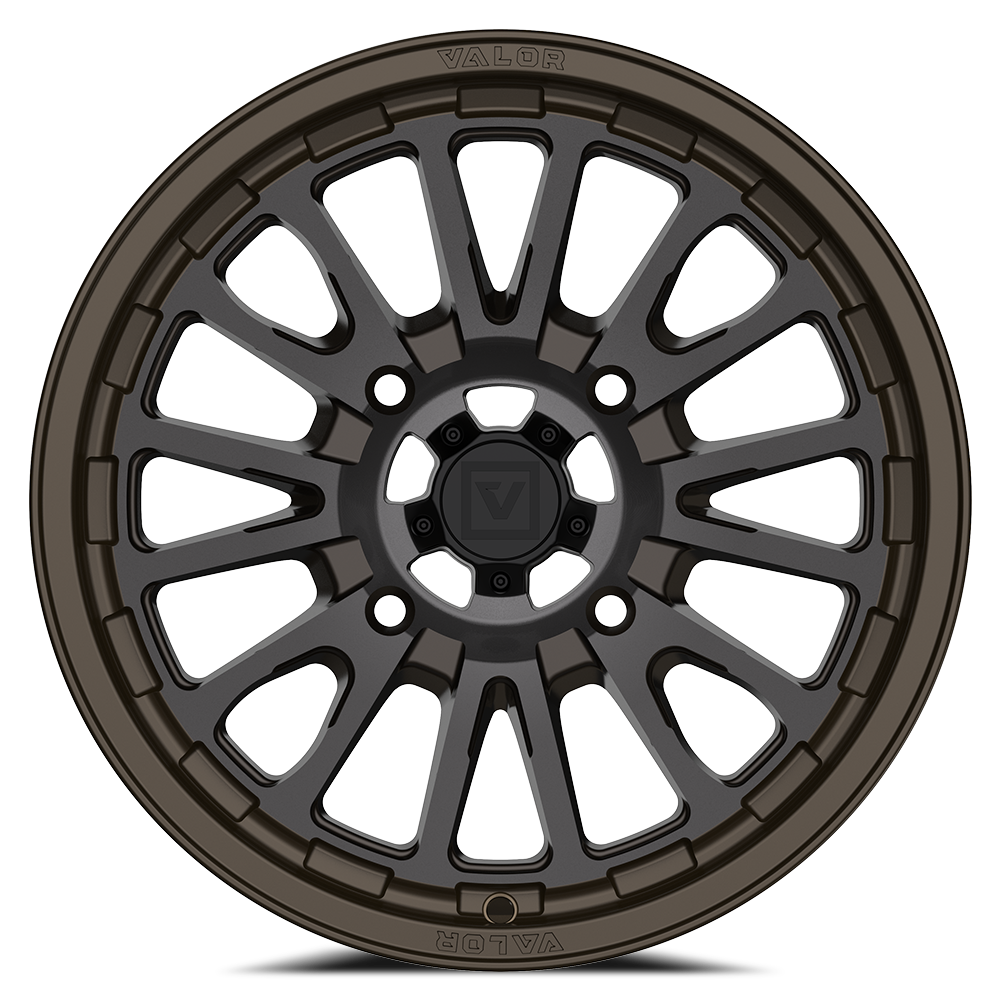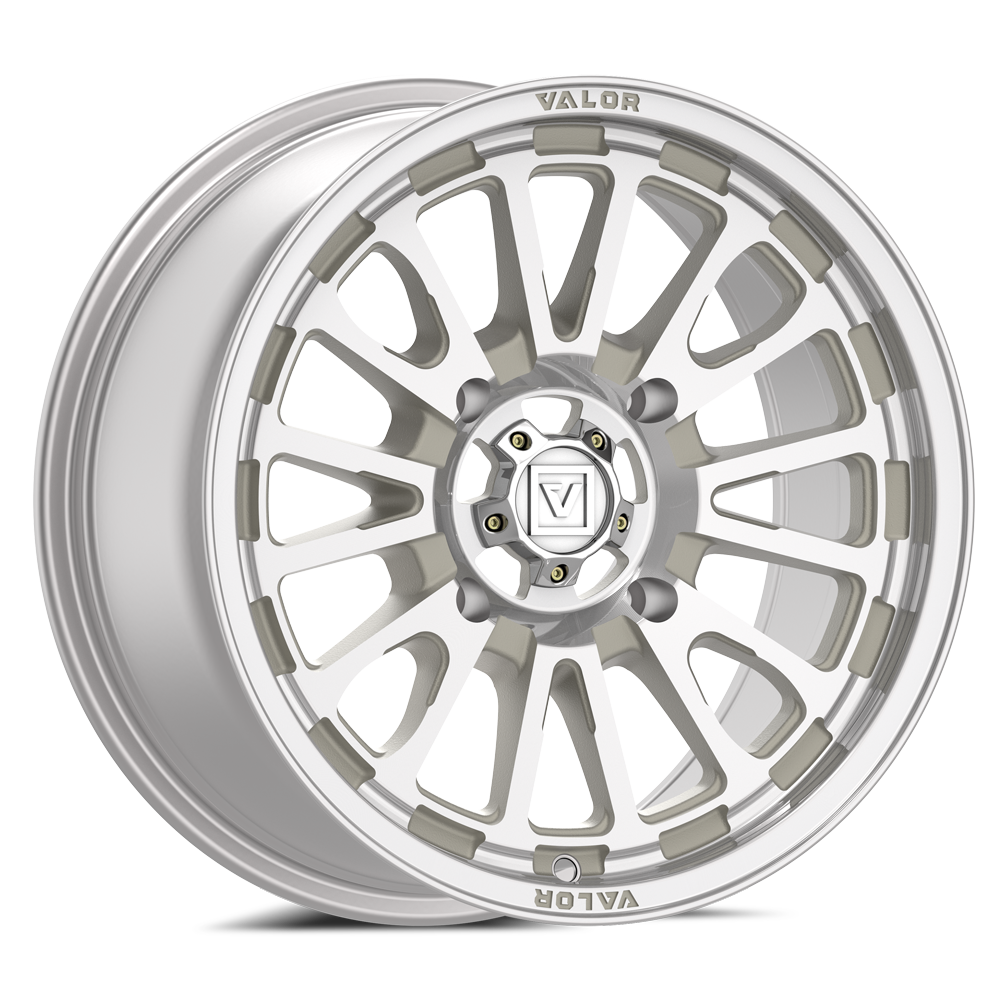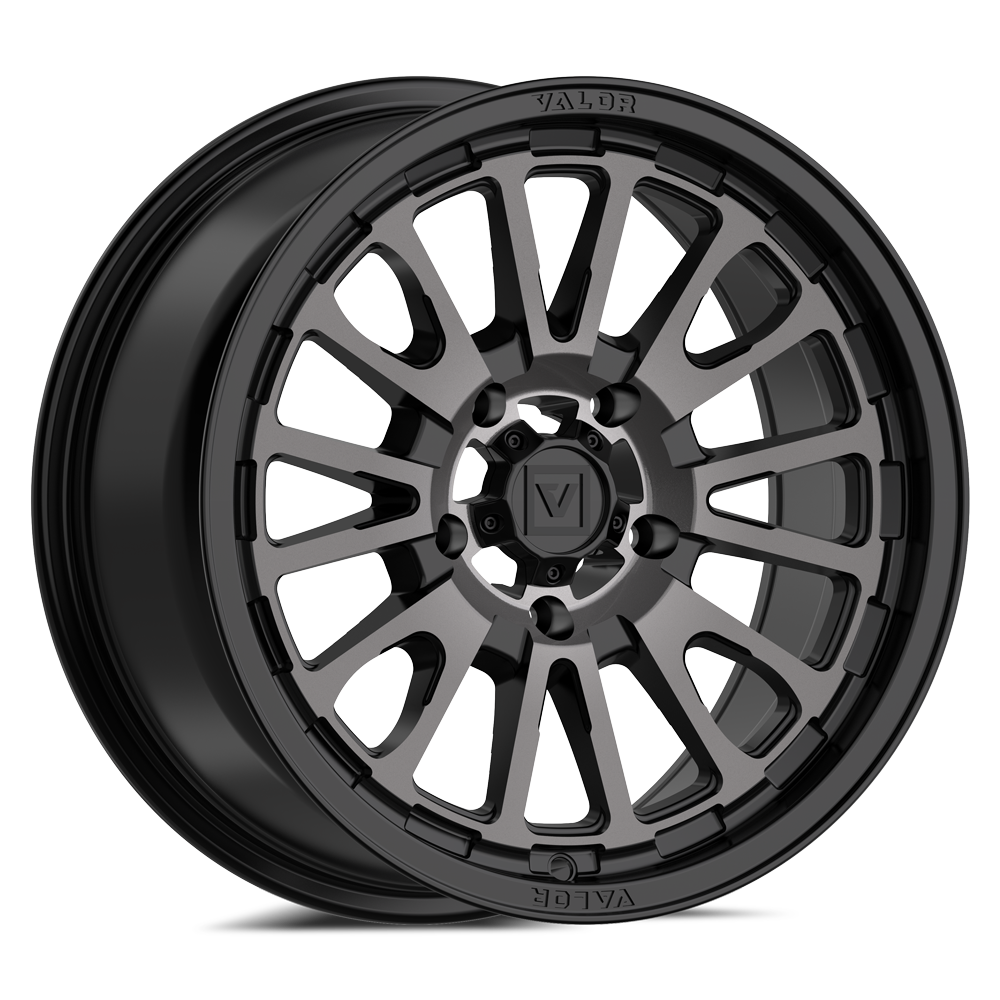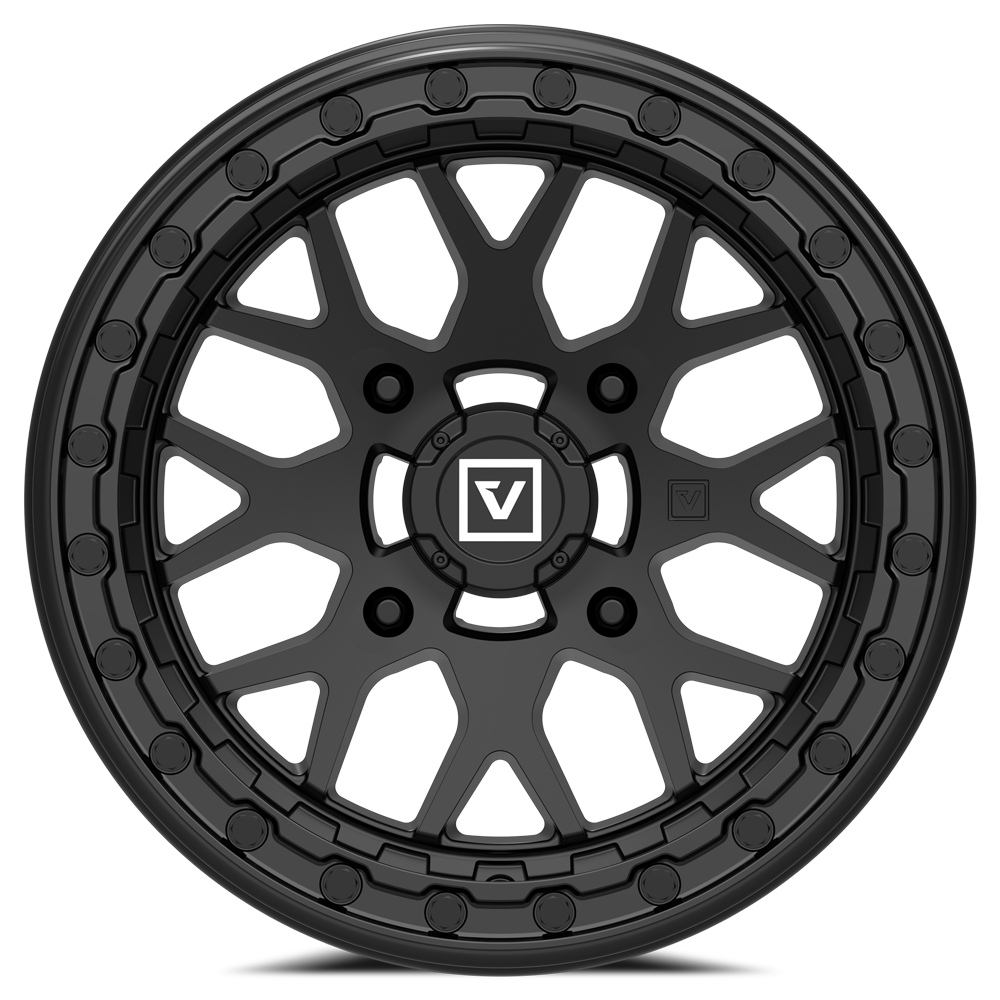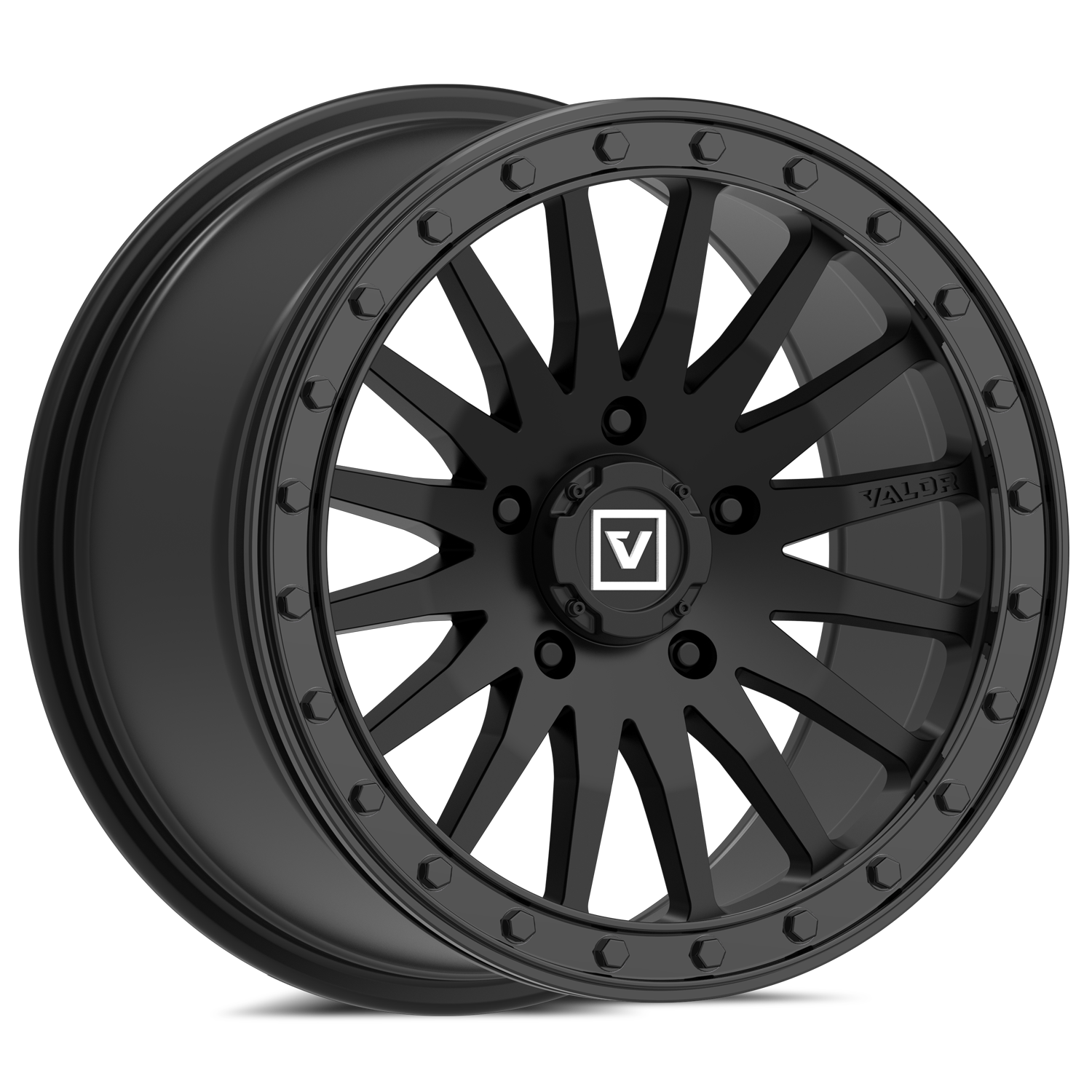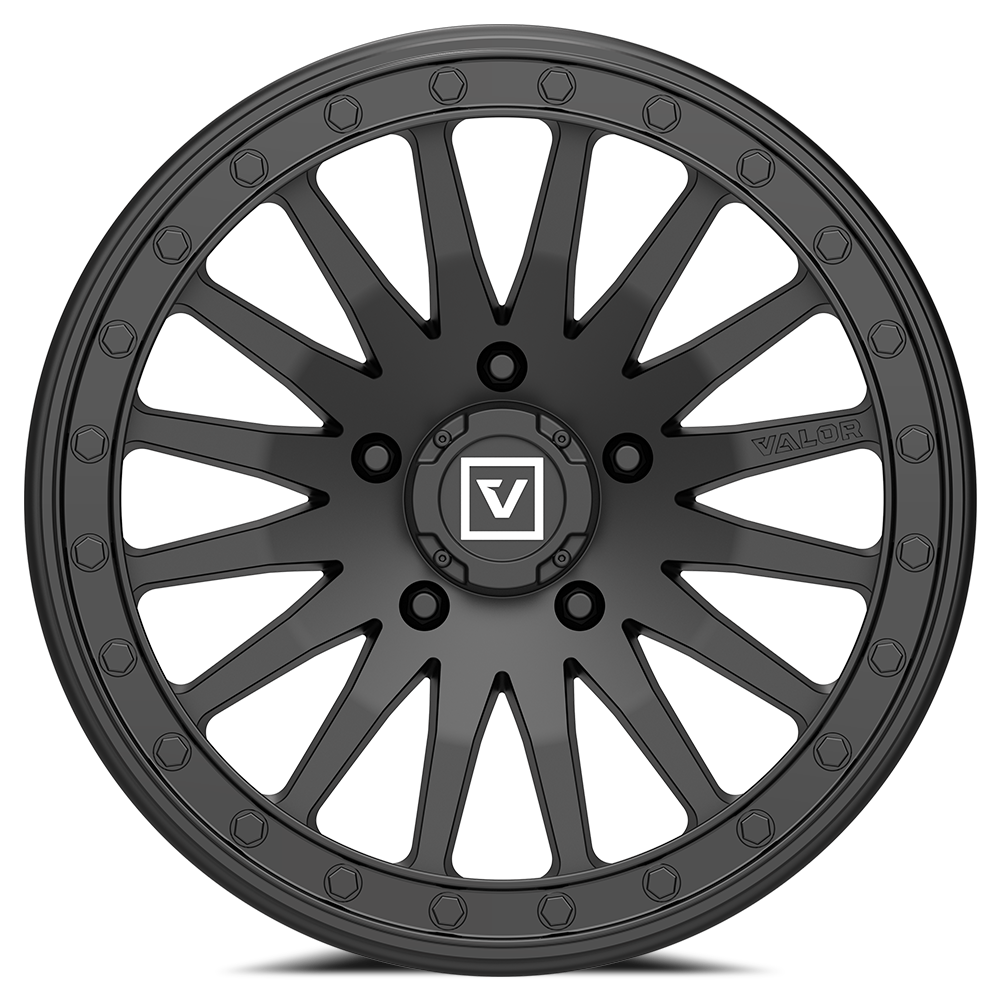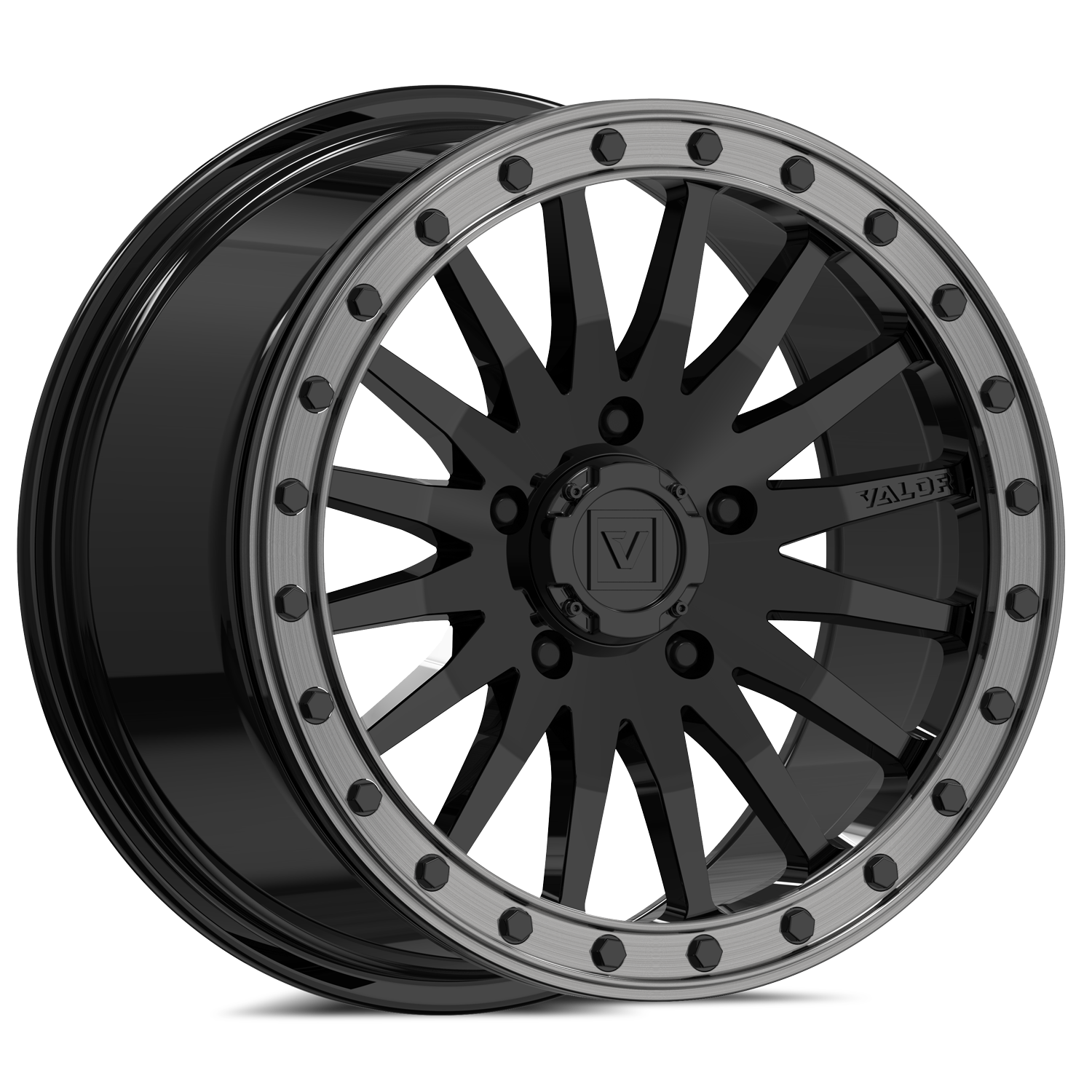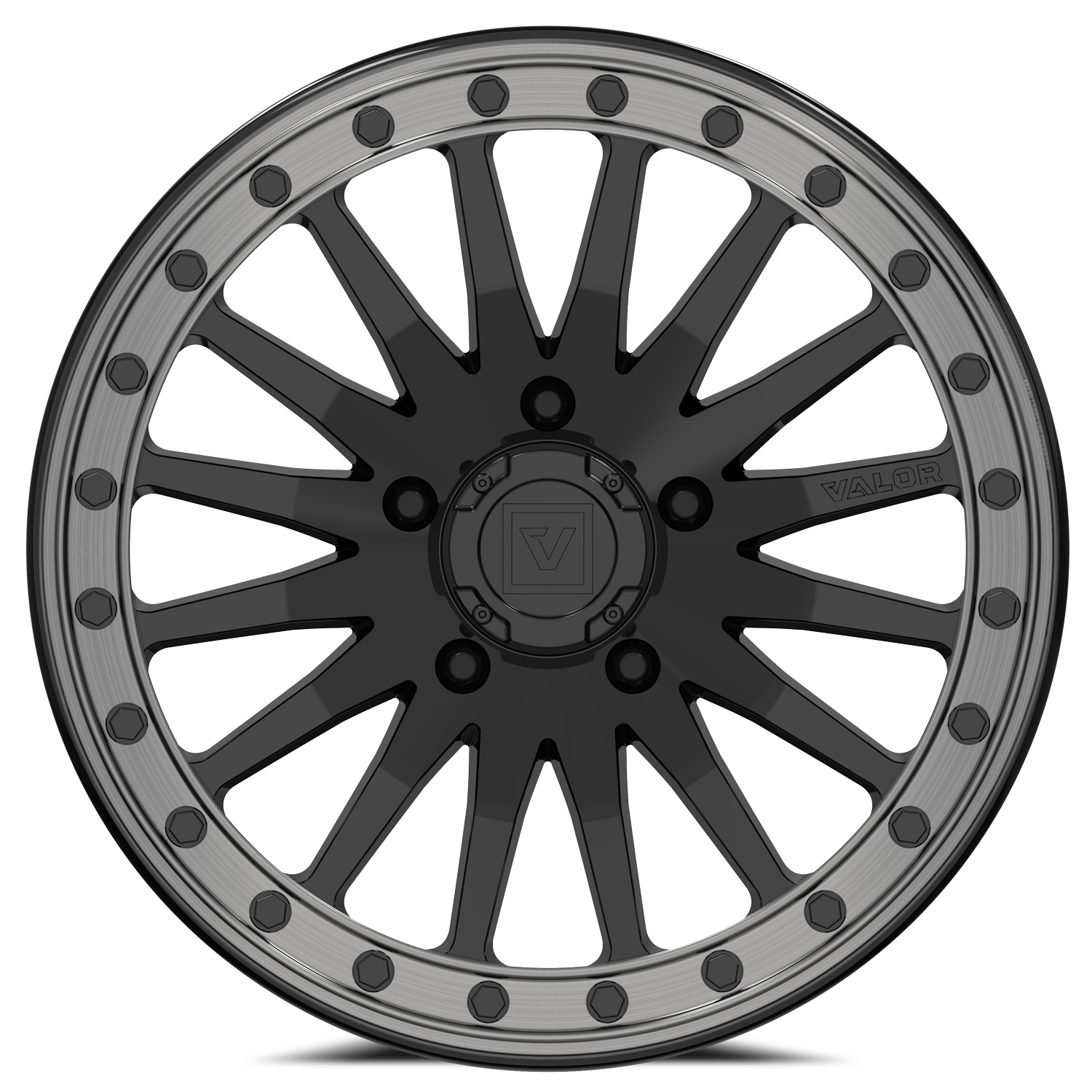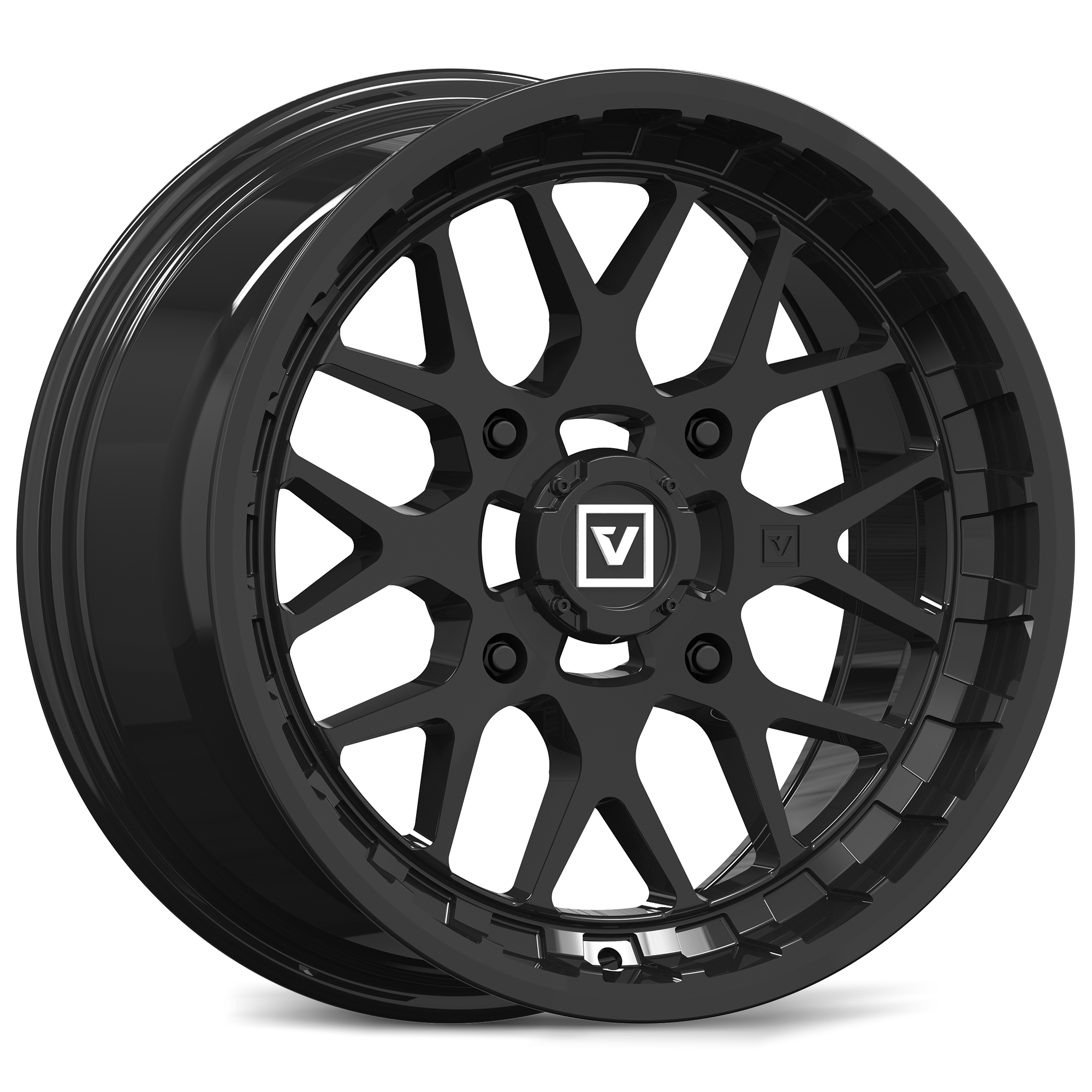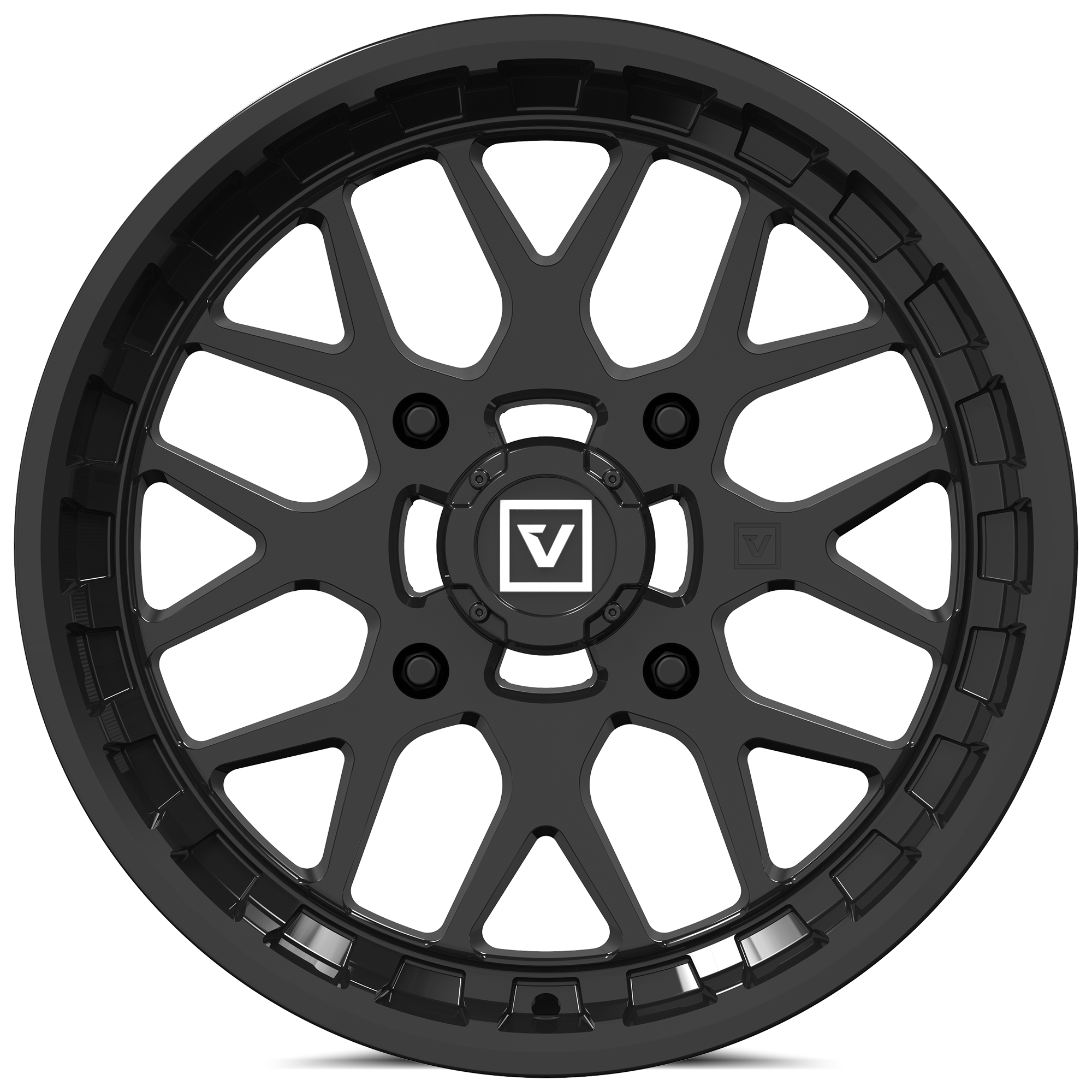



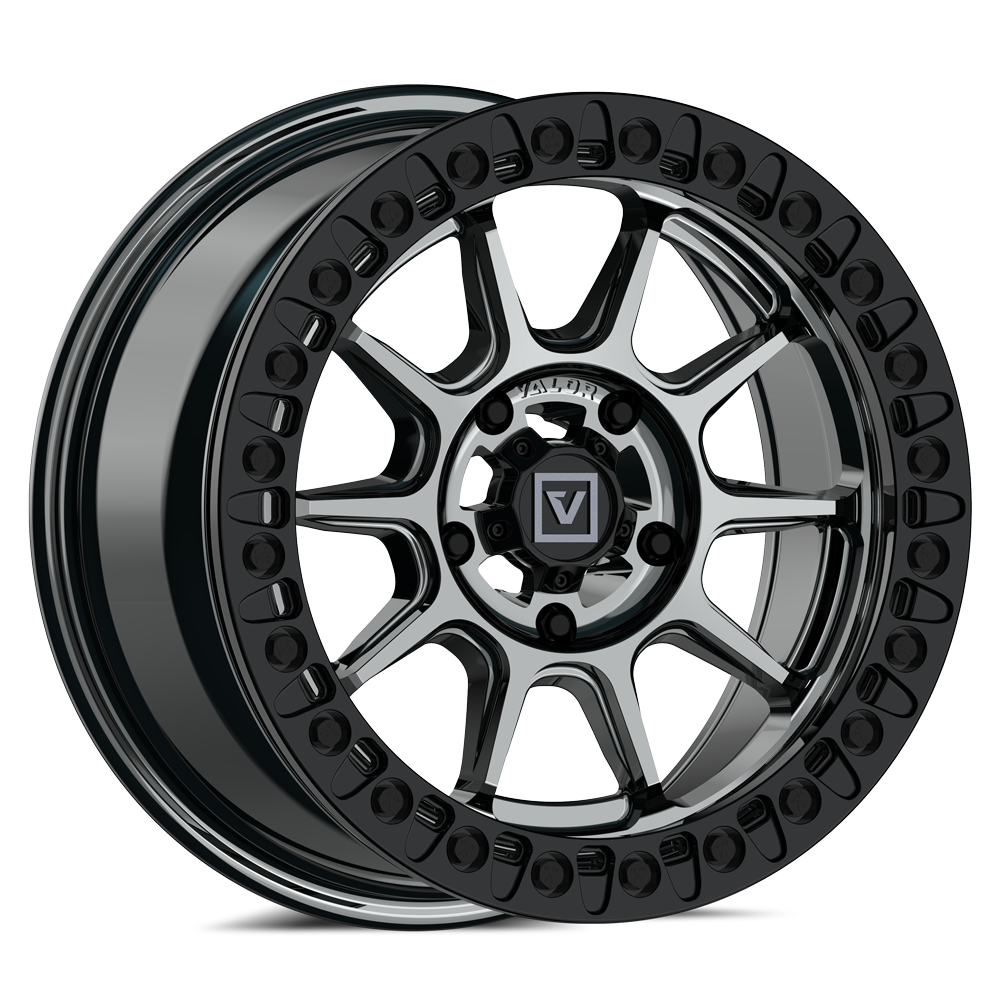
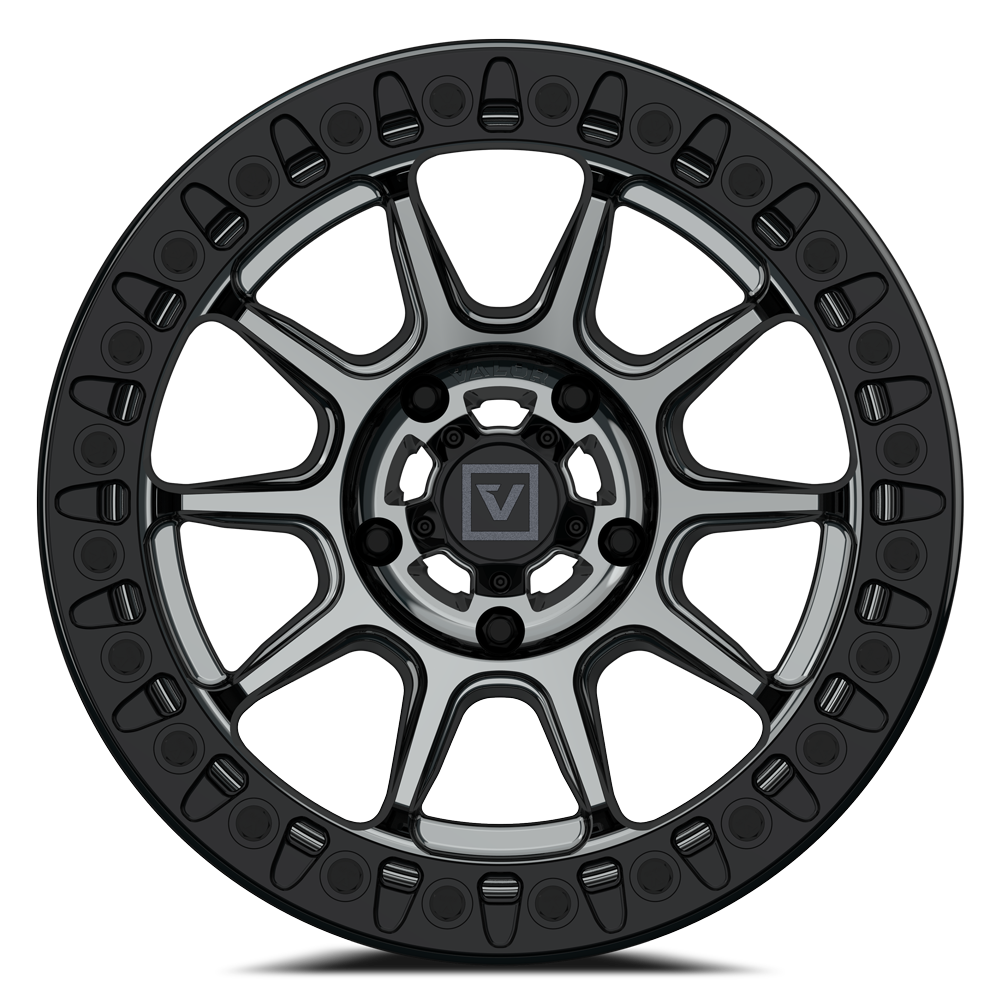
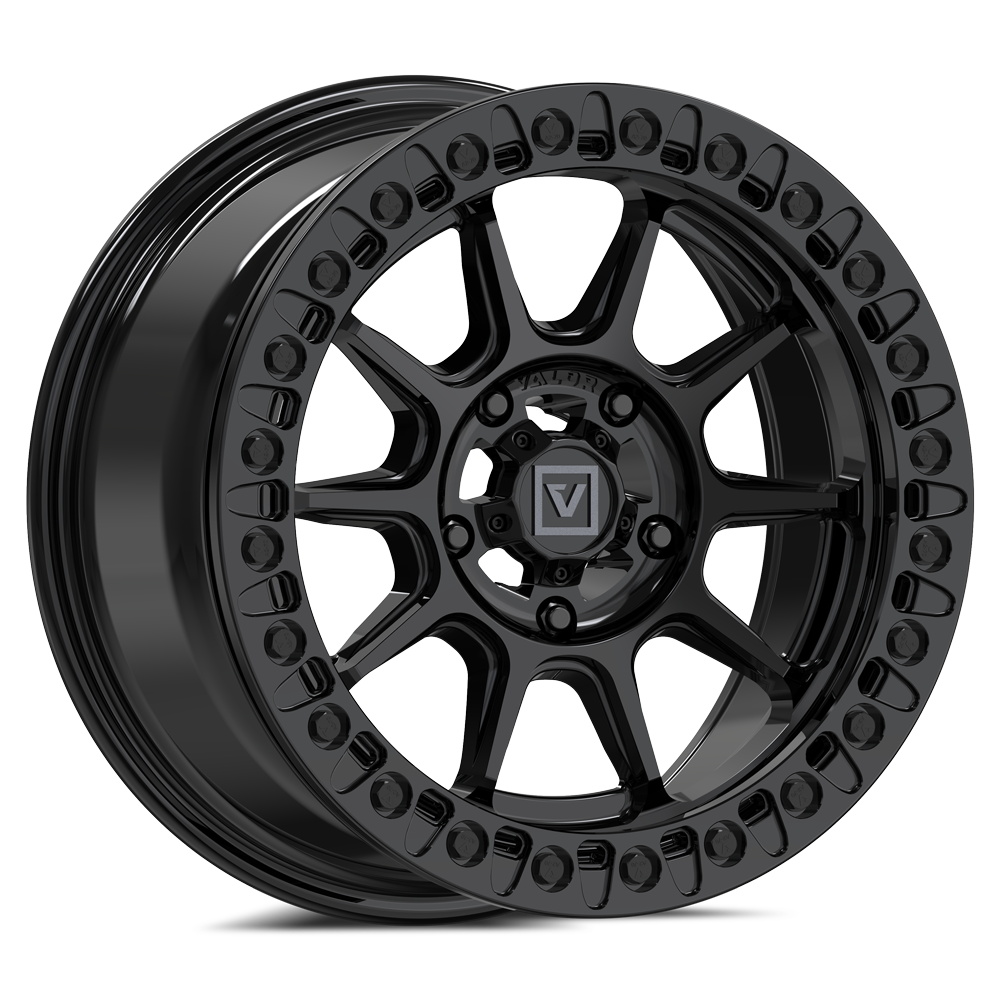
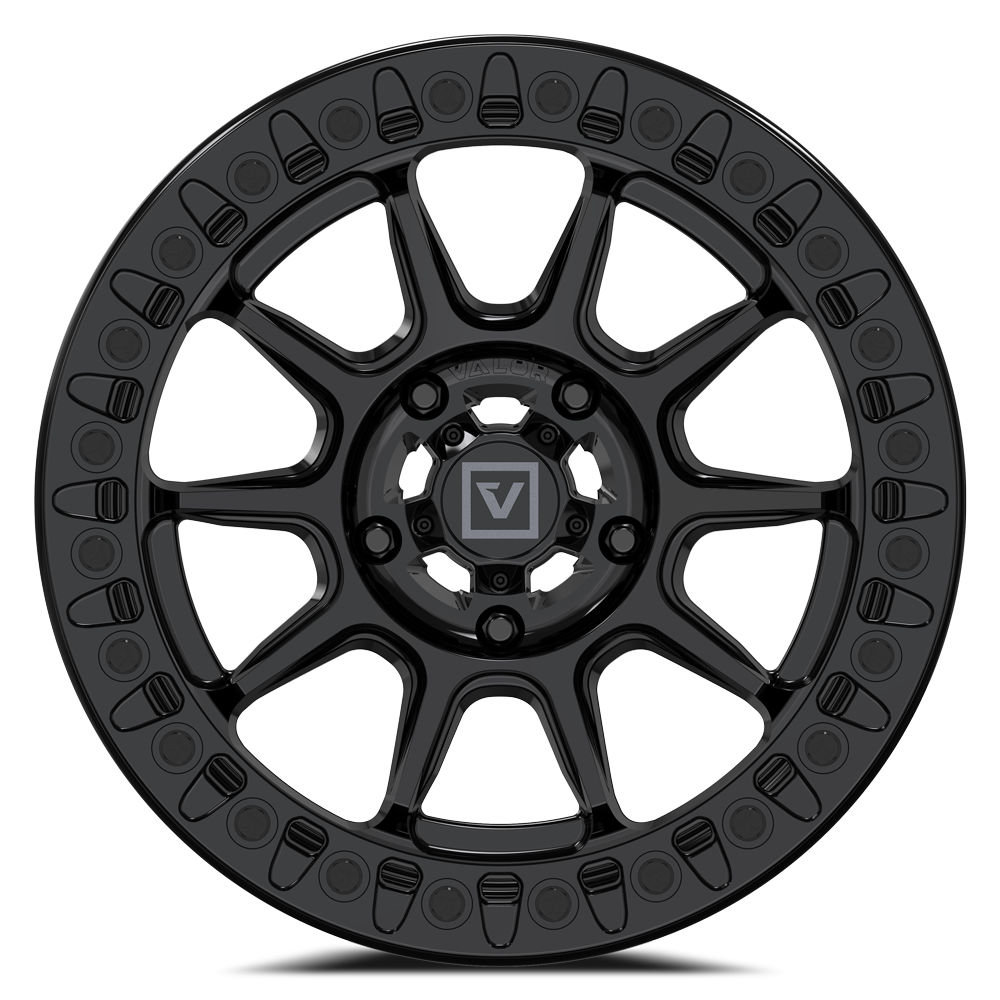

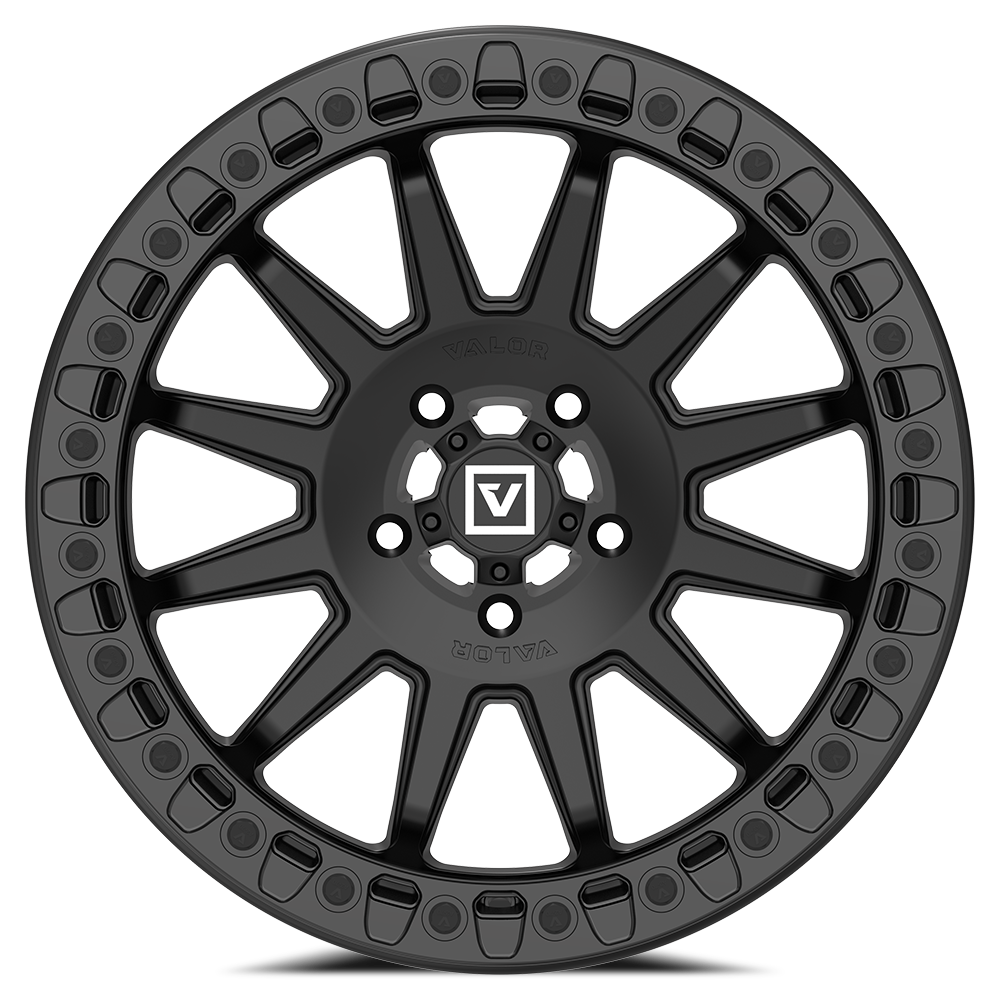
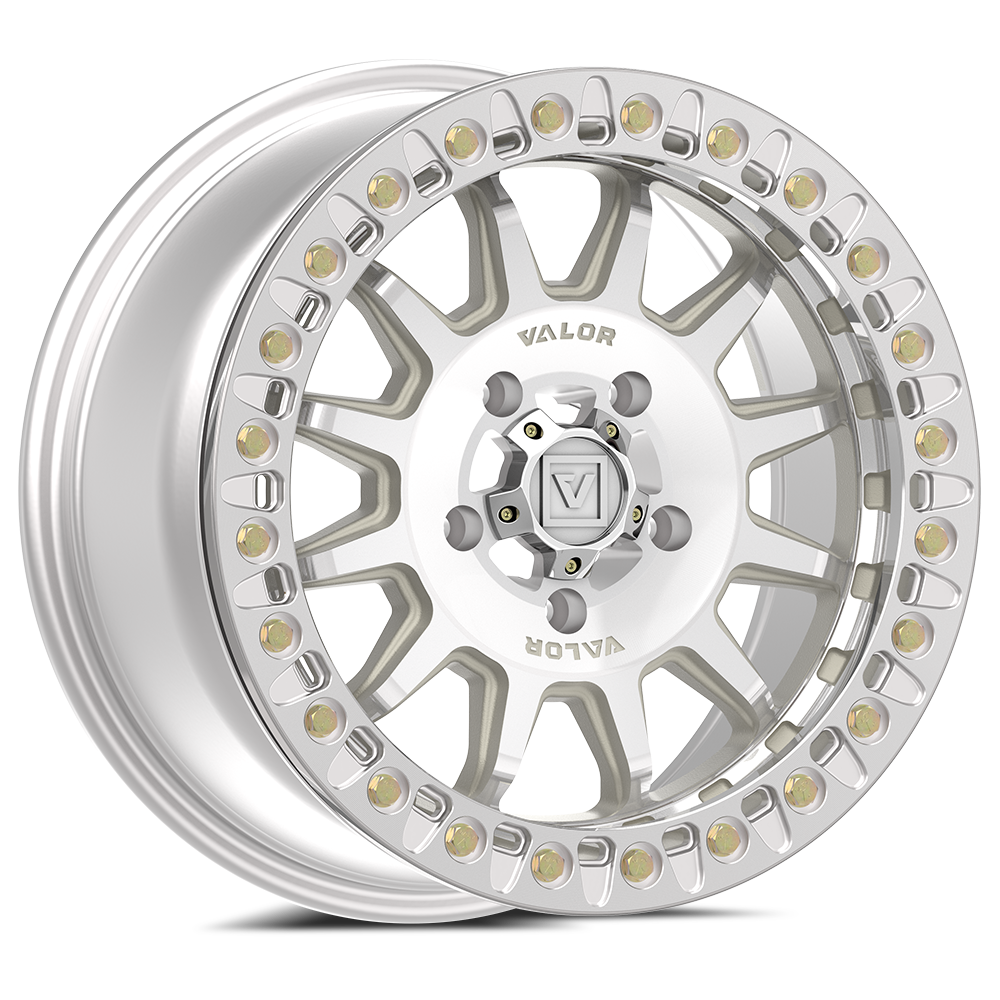
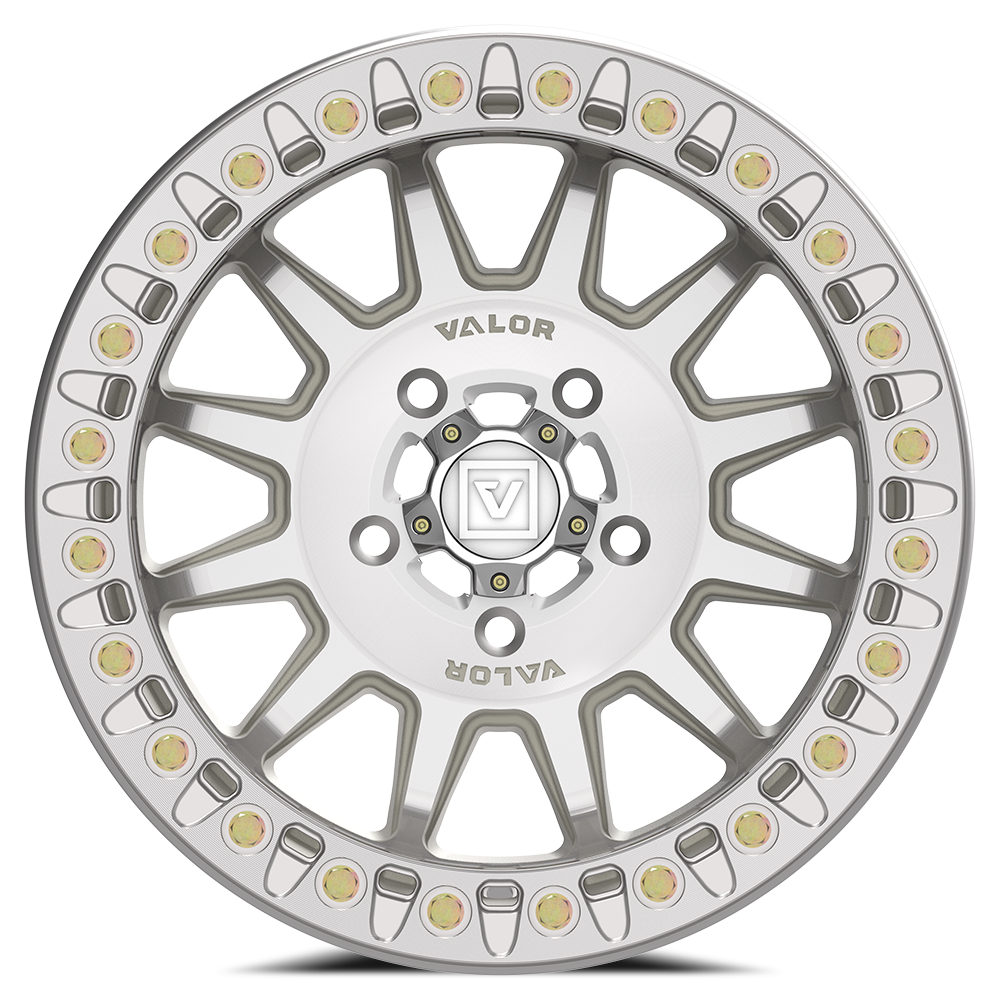
WHAT IS FLOW FORMING?
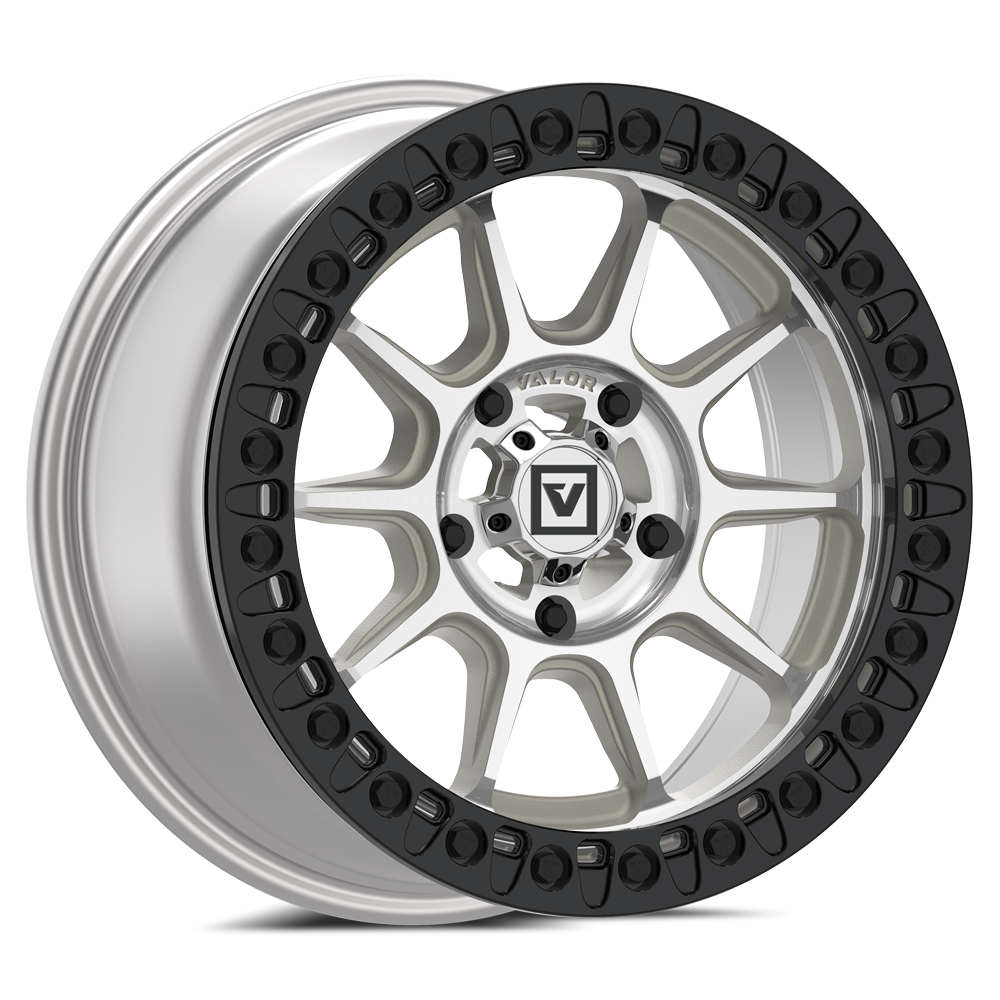
A flow-formed wheel is a high-performance hybrid between a standard cast wheel and a premium forged wheel. It is created using a specialized manufacturing process that applies heat and high-pressure rollers to "stretch" a cast aluminum wheel into its final shape.
Flow forming begins with a cast aluminum wheel blank designed with a short, thick barrel. The blank is mounted on a mandrel and rotated at high speed while controlled heat is applied. Hydraulic rollers press against the barrel, gradually stretching and shaping the aluminum until it reaches the required width, thickness, and profile for the finished UTV wheel. The wheel face is typically formed during the initial casting process, while flow forming primarily refines and strengthens the barrel.
As the rollers compress and elongate the aluminum, they align the material’s grain structure and increase its density, producing a barrel that is stronger and more impact-resistant than a conventionally cast barrel of similar weight. After forming, the wheel is heat-treated, machined for precise fitment, drilled for the required bolt pattern, inspected, and finished with paint or powder coating. This process allows UTV wheels to use less material in the barrel while maintaining strength, resulting in reduced rotational weight and improved handling, acceleration, and suspension response.

Initial Casting
The process begins with a low-pressure casting (preform), but the barrel is intentionally cast much narrower and thicker than the final intended width.

Spinning & Heating & Forming
The cast wheel blank is mounted on a mandrel and spun at high speed to create a consistent, symmetrical barrel shape. Controlled heat makes the aluminum more workable, allowing forming rollers to stretch and compress the barrel without cracking the material. The combination of rotation, heat, and roller pressure gradually forms the barrel to its precise width, profile, and thickness.


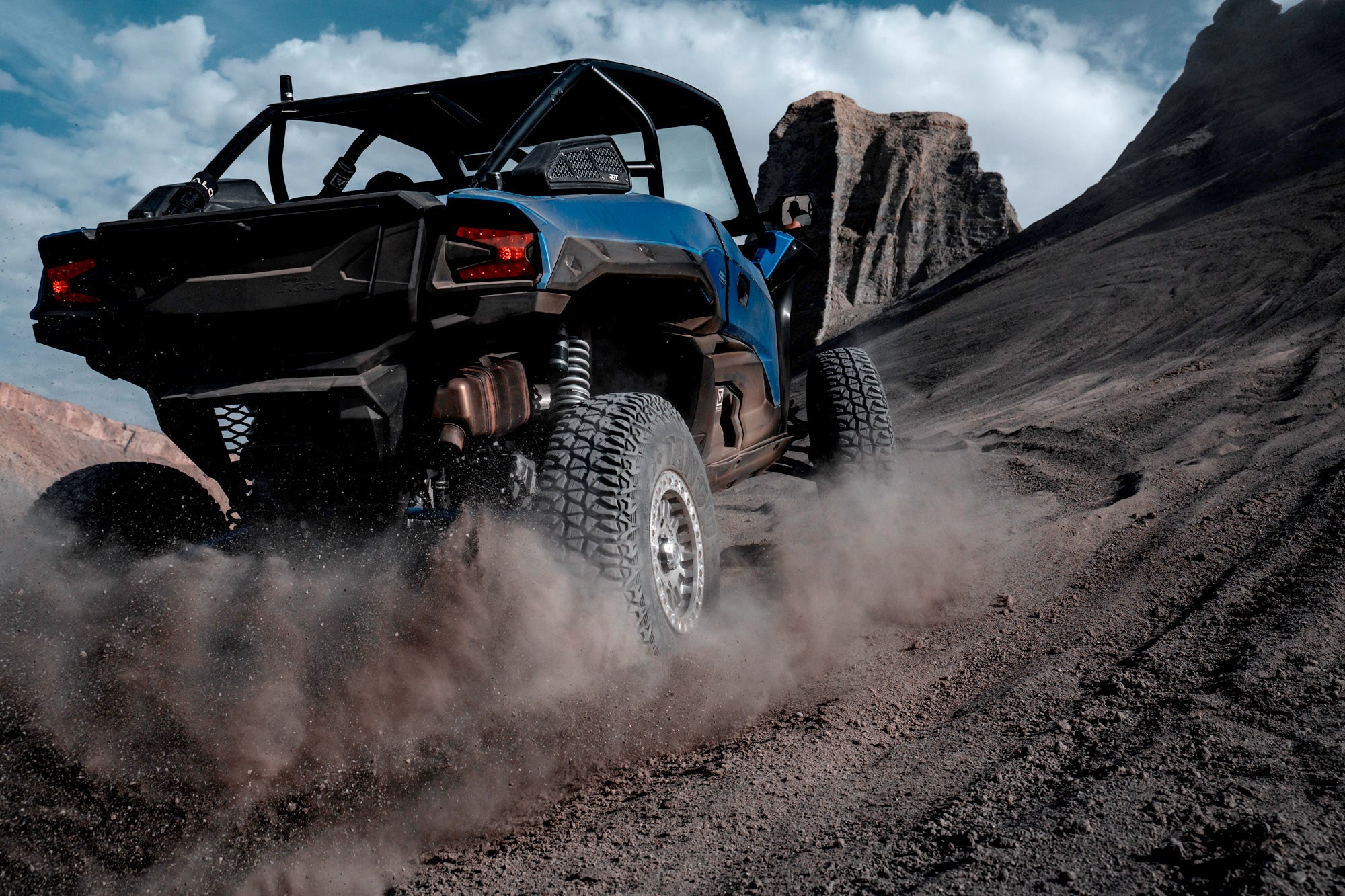
Flow Form vs Cast
Greater strength — Flow forming compresses and aligns the aluminum grain structure, producing a stronger barrel than conventional cast construction.
Lower weight — A thinner, stronger barrel reduces rotational and unsprung weight, improving acceleration, braking, and suspension response.
Improved impact resistance — The formed barrel generally withstands hard landings, rocks, ruts, and trail impacts better than a comparable cast wheel.
More precise construction — Controlled forming creates consistent barrel thickness, improved roundness, and reduced wheel imbalance.
Better value than fully forged wheels — Flow-formed wheels deliver many forged-like performance benefits at a more accessible price.
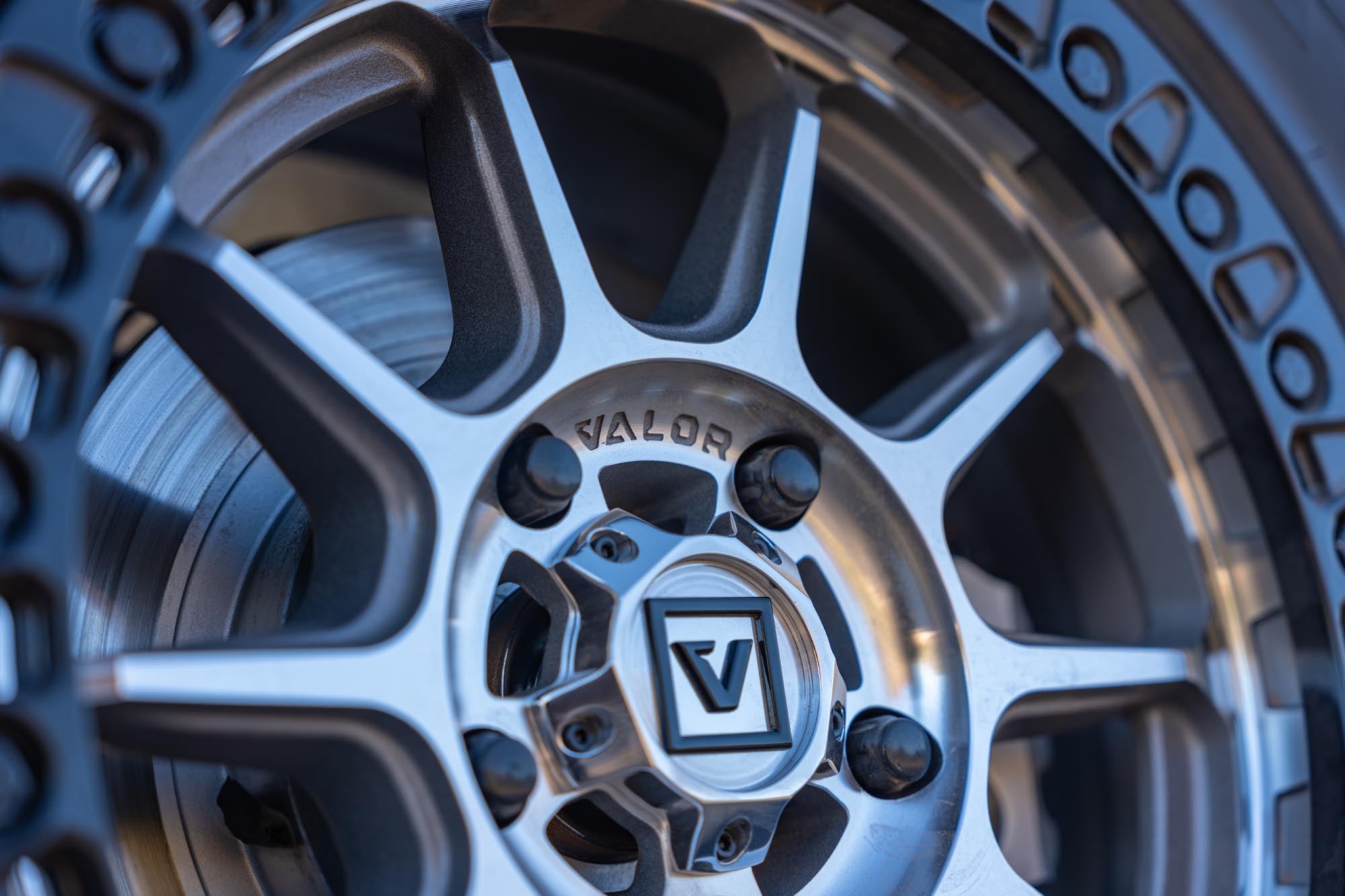
Valor Offroad
Lightweight UTV WHEELS