



Let us do the dirty work
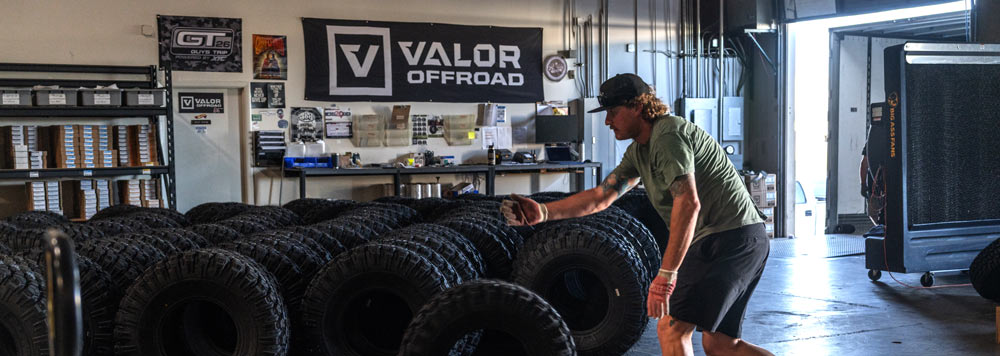
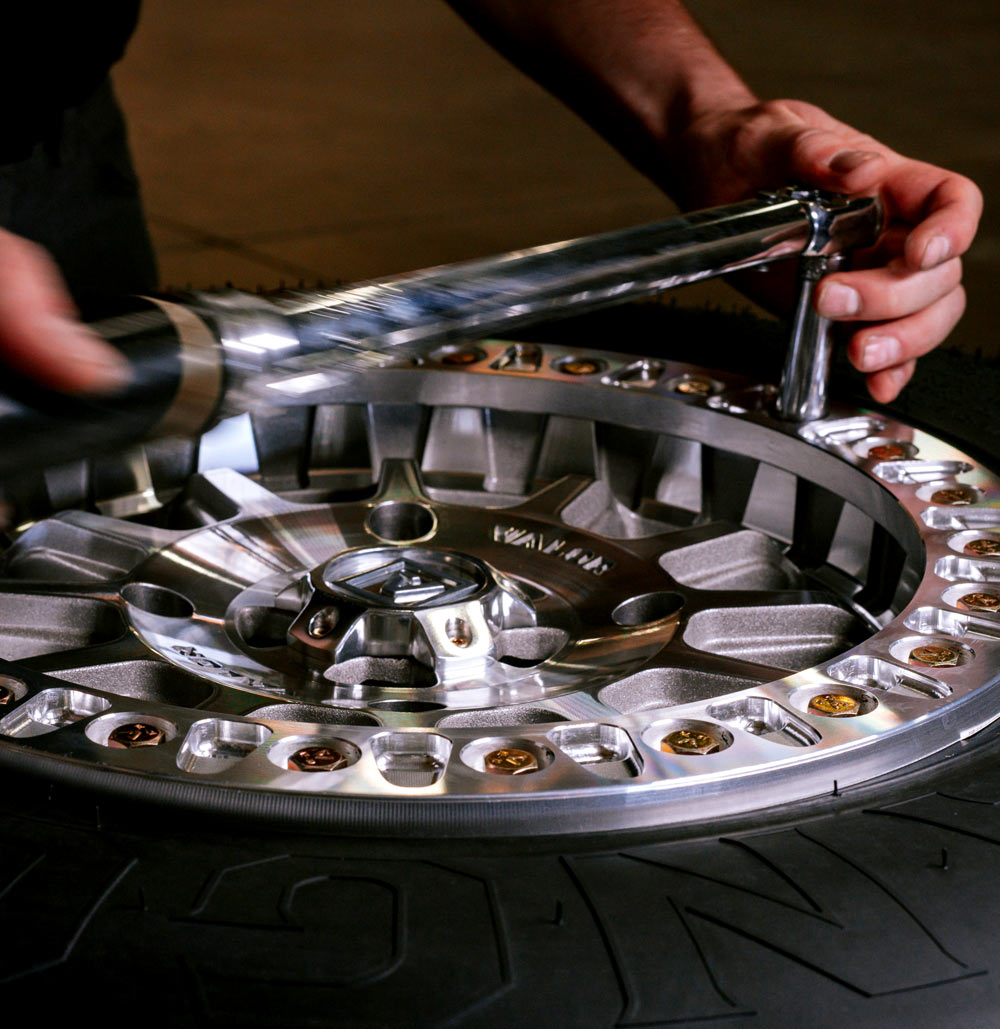
Professional mounting available
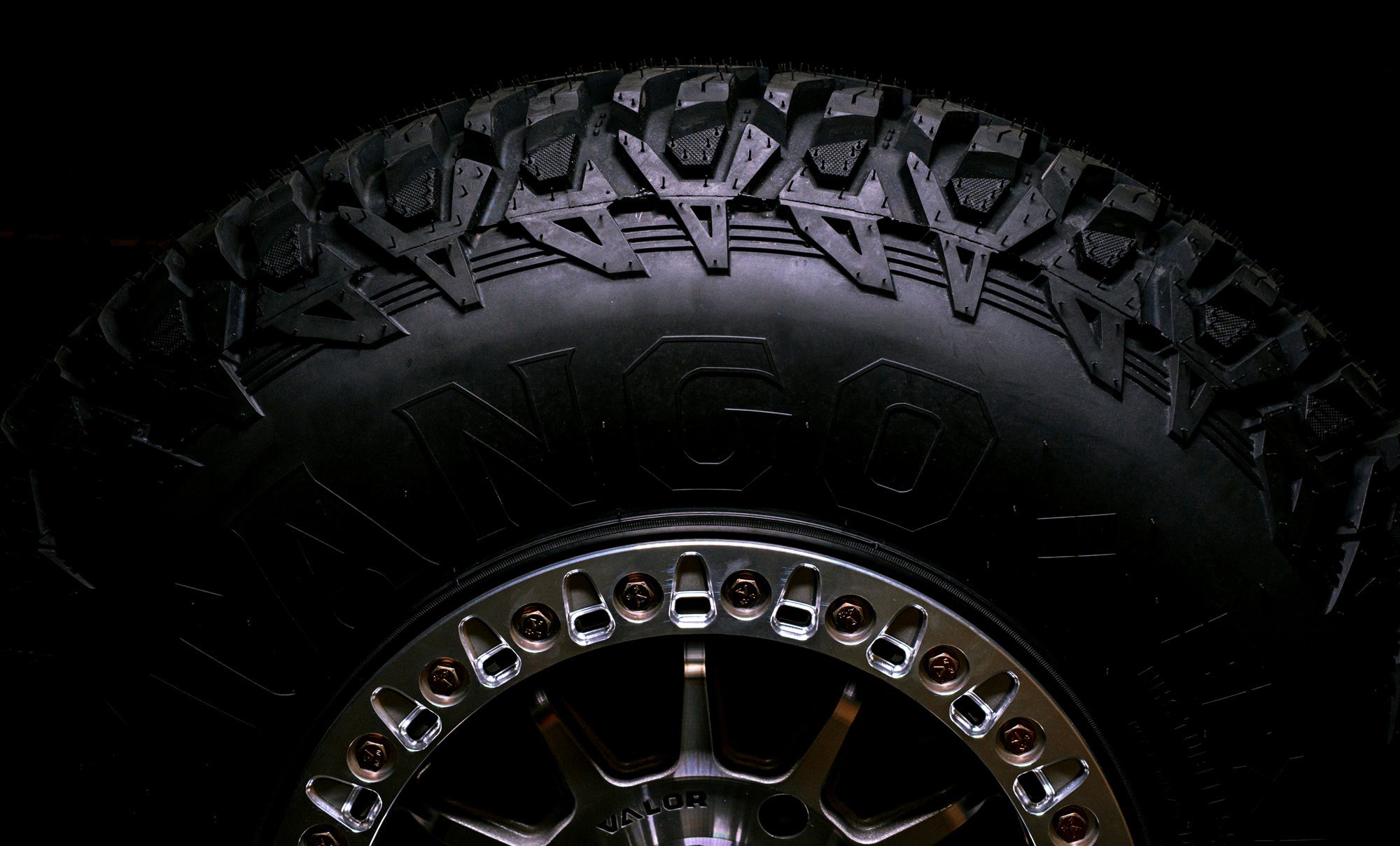
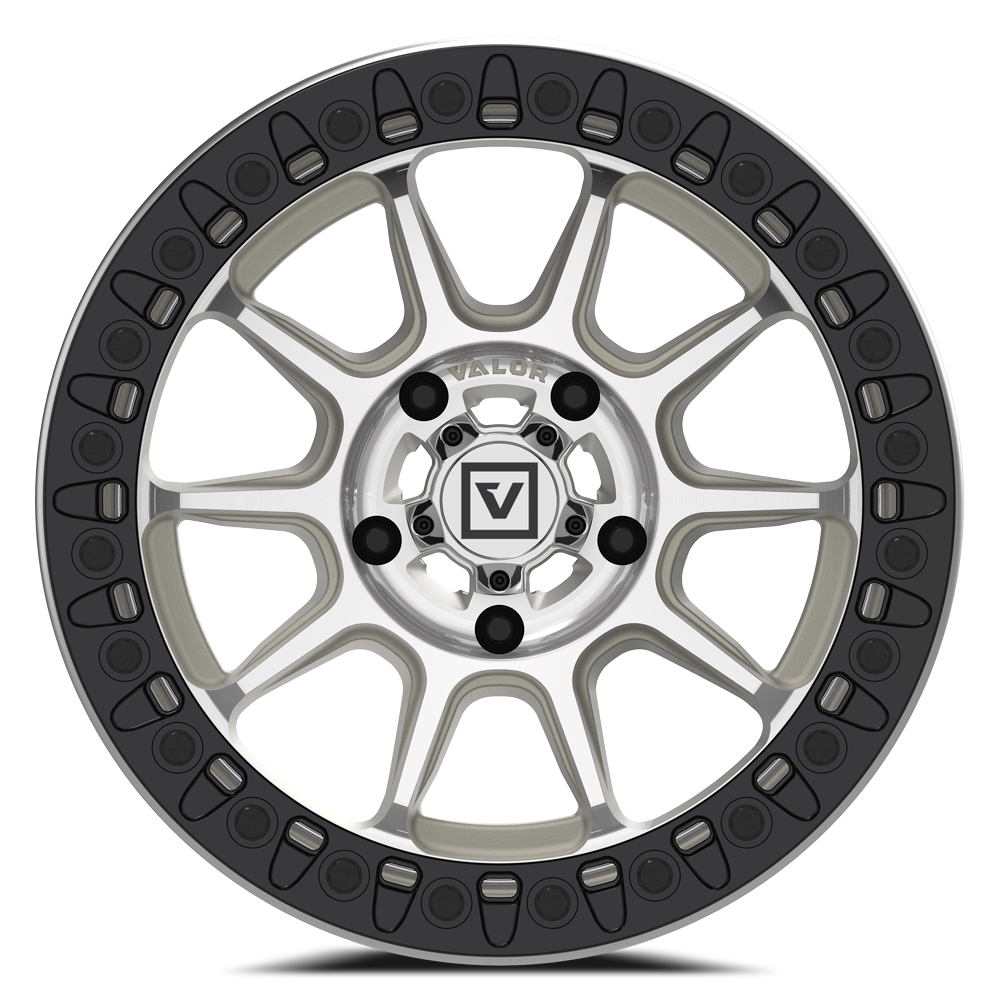
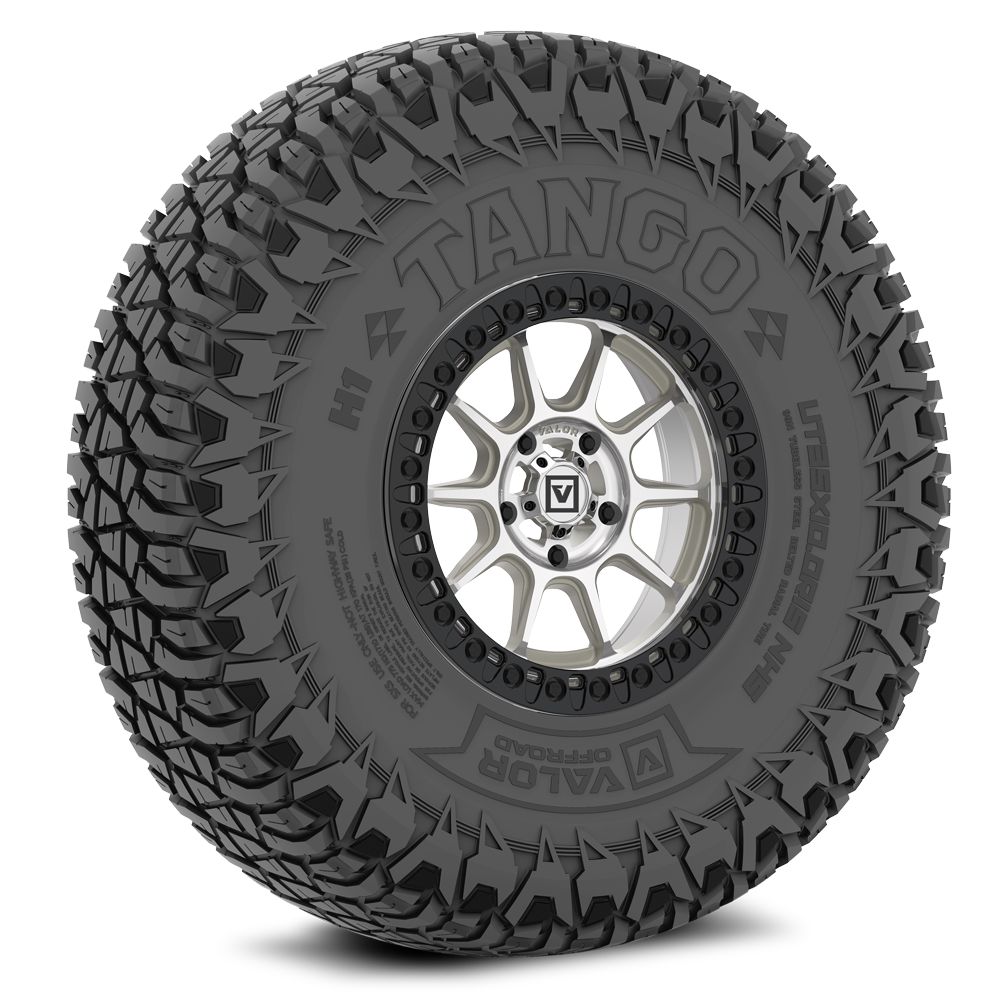
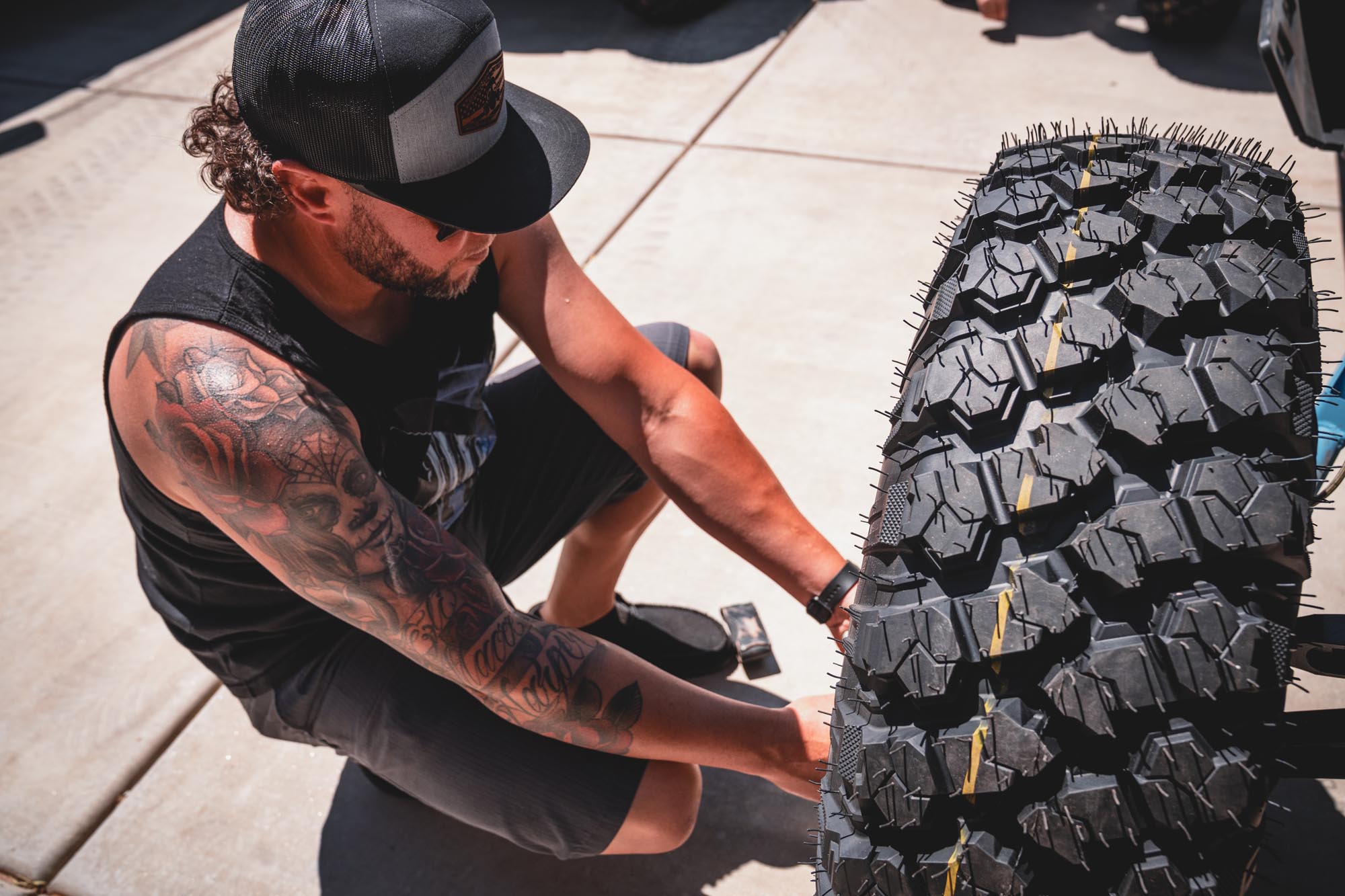
We offer professional mounting for any wheel-and-tire combo. Have one of our technicians mount up your wheels and ship them directly to you, so all you have to do is mount them on your vehicle. Let us do the dirty work.
What makes a good UTV Tire
A good UTV tire is defined by a balance of durability, traction, and stability tailored to the terrain where the vehicle is primarily used. The optimal tire for one environment, such as mud, will have different characteristics than one for hard-packed trails or rocks.
- Durability and Construction: A strong build is critical to withstand rough off-road conditions.Ply Rating: A higher ply rating (typically 6 to 8-ply or more) indicates more layers and greater puncture resistance, which is essential for rocky or rugged terrain.Radial vs. Bias-Ply: Radial tires are the modern standard, offering a smoother ride, better handling at higher speeds, and longer tread life. Bias-ply tires have stiffer sidewalls and may be favored for extreme, low-speed off-road conditions where maximum side-bite is needed. Reinforced Sidewalls: Features such as reinforced sidewalls, built-in rim guards, and cut-resistant rubber compounds help protect the wheel and tire from trail damage.
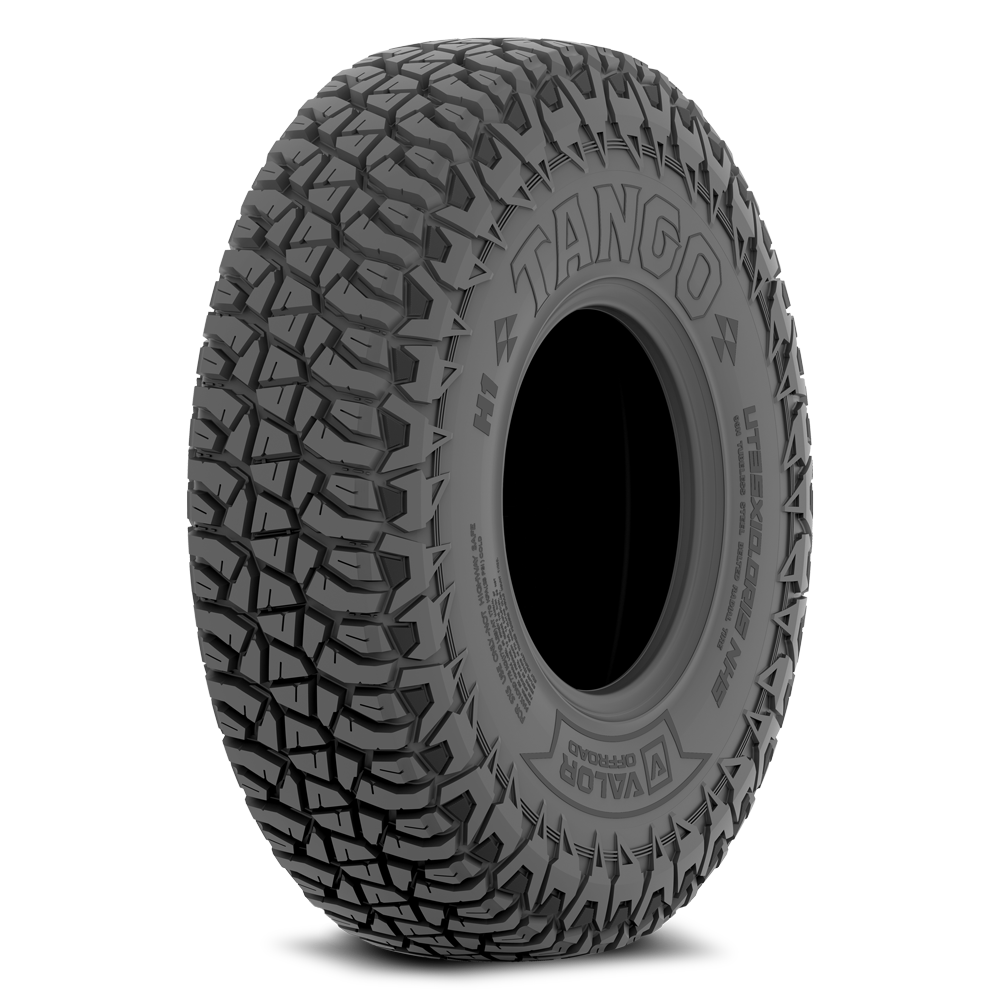
- Traction and Tread Design: The tread is what connects the UTV to the ground, and its design should match the terrain. Tread Depth and Spacing: Deep, widely spaced lugs are best for mud and loose terrain because they dig in and are "self-cleaning" (ejecting debris as they spin). Shallower, more closely spaced lugs are better for hard-packed trails, gravel, or pavement, as they offer more consistent contact and a smoother, quieter ride. Tread Shape: Directional (V-shaped) patterns are efficient at pushing forward in mud or snow, while non-directional, blocky patterns provide consistent traction in all directions, ideal for crawling or utility work.
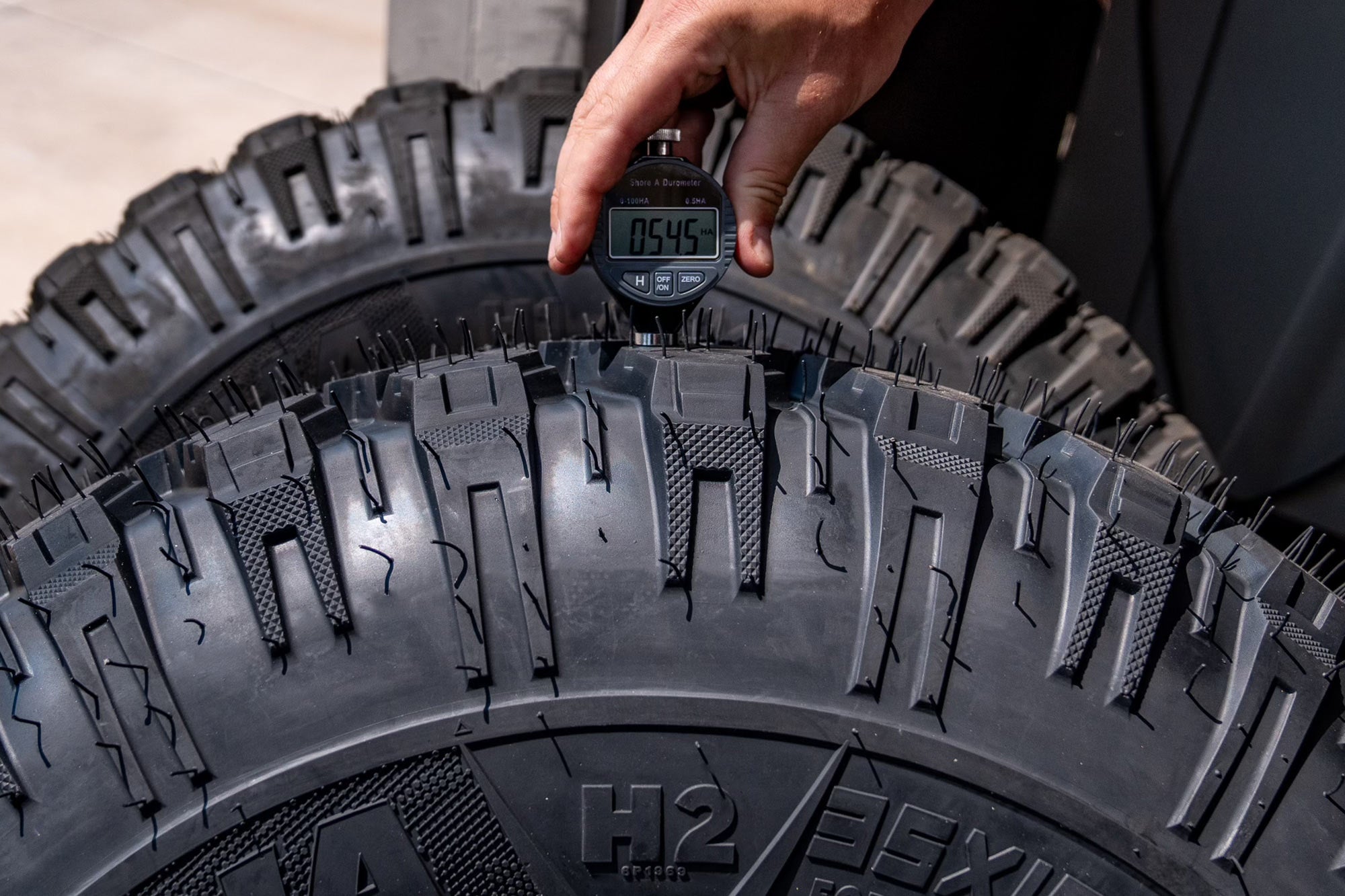
- Rubber Compound: The composition of the rubber determines the tire's grip versus its longevity. Softer Compounds: Provide excellent grip on slick surfaces like wet rocks, but wear out quickly, especially on pavement.
- Tire Size and Load Capacity: The tire should match or exceed the UTV manufacturer's recommended load-carrying capacity. Larger tires provide increased ground clearance for overcoming obstacles, but can affect acceleration and the vehicle's center of gravity.
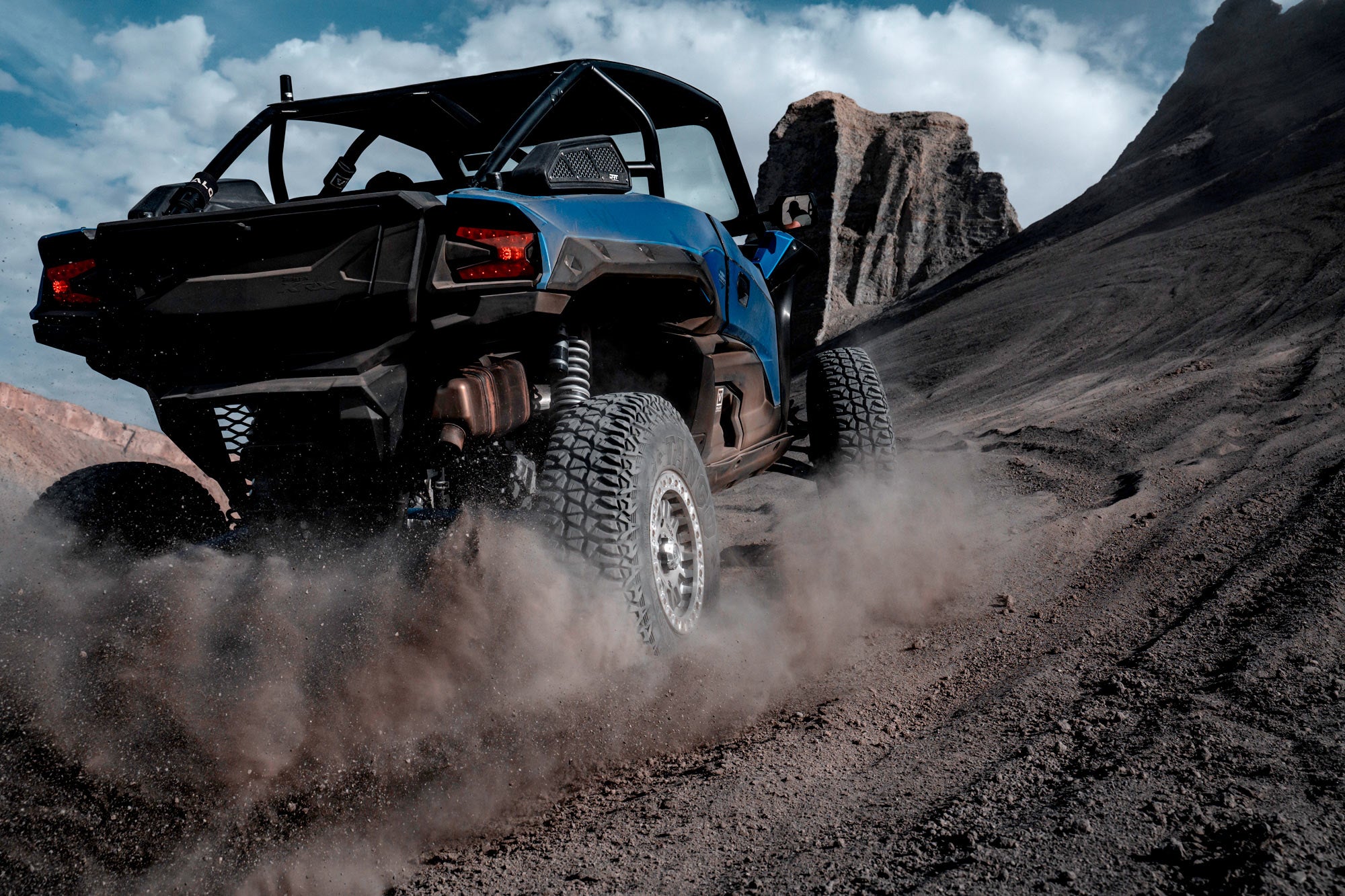
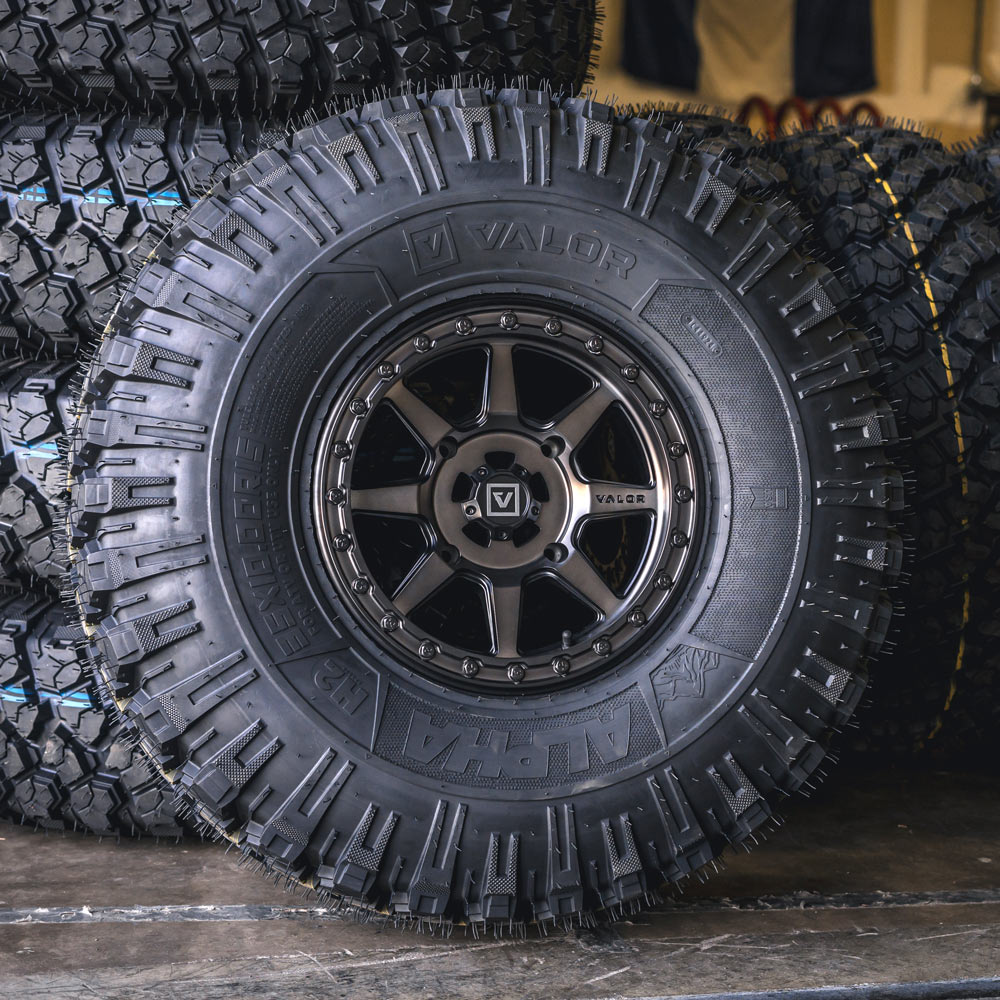
Alpha UTV Tire
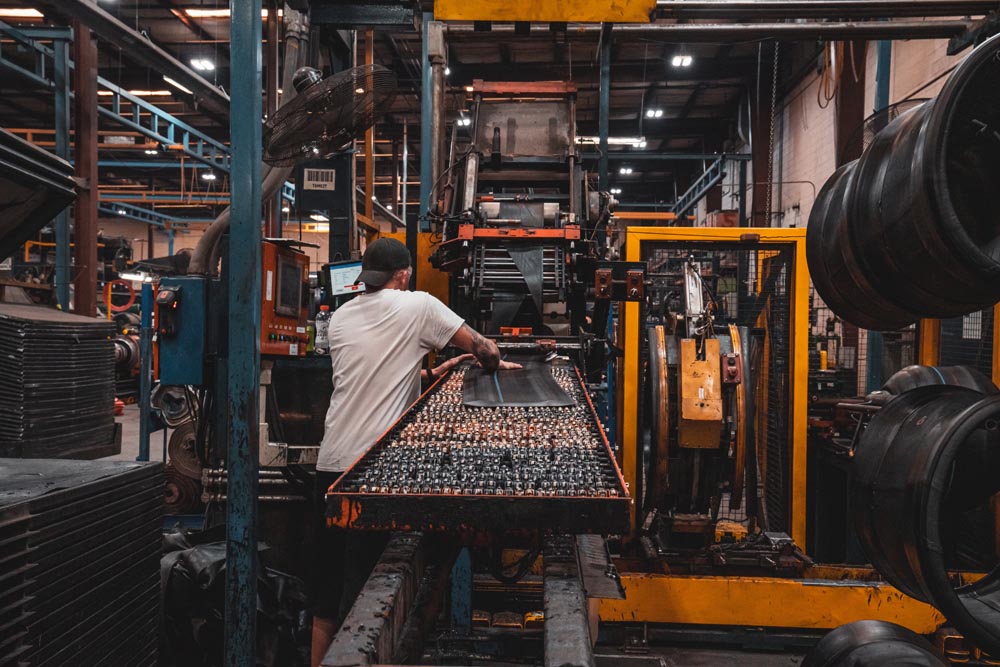
Valor Offroad is a proud manufacturer of Made-in-USA tires. Our company's goal is to continue to bring more jobs home to the United States with each new product we release. Although our products aren't 100% made in the USA, we are proud to source specific high-performance products that are.
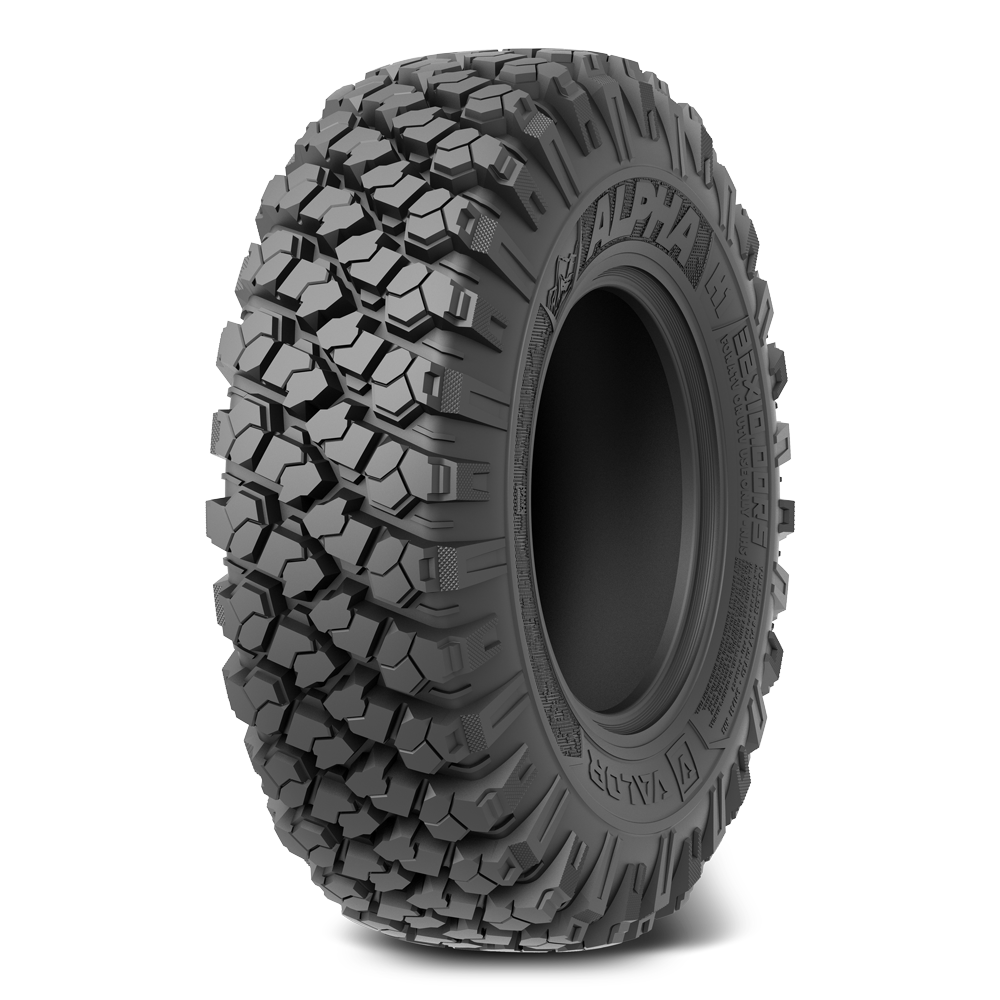
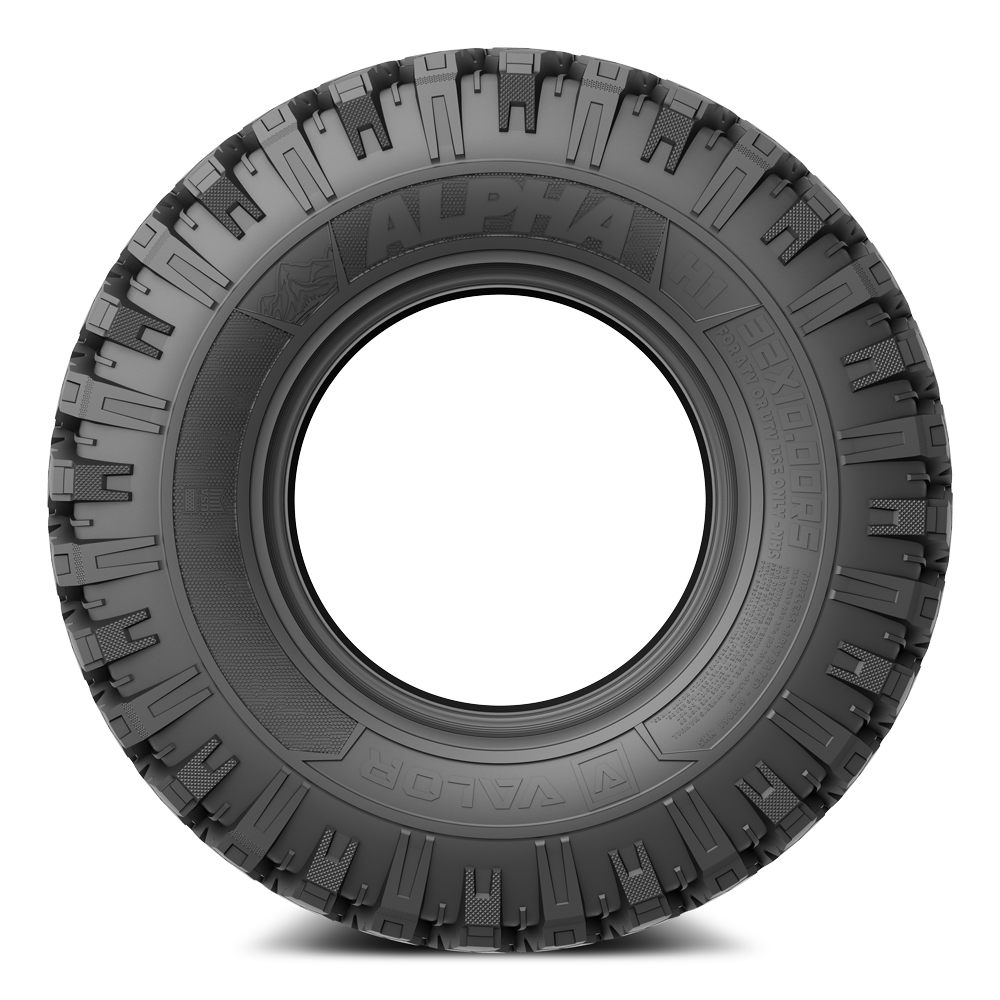
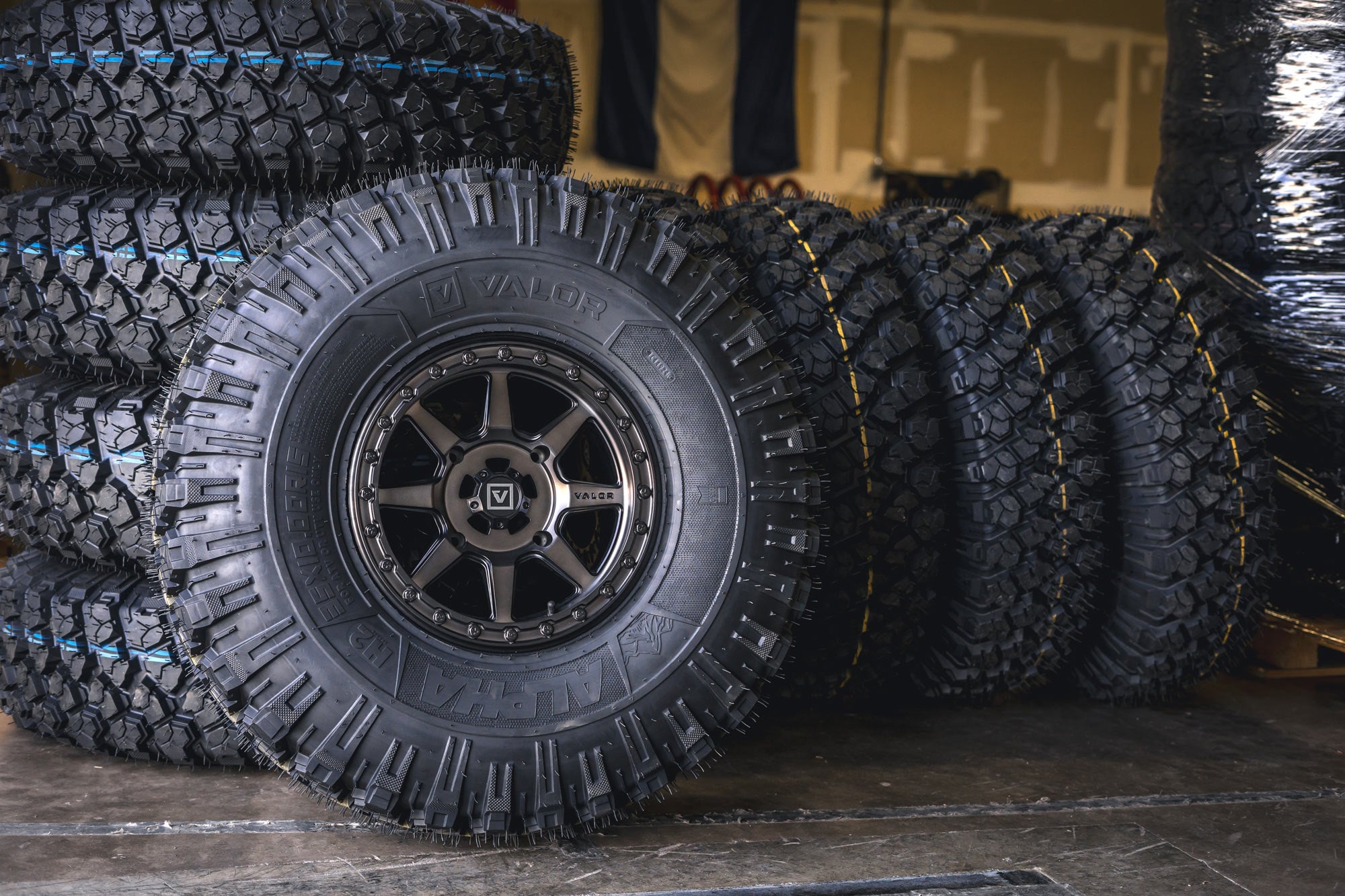
The Alpha UTV Tire is not your average performance upgrade for many reasons—its unique compound, innovative tread styling, deep tread depth, and true-to-size overall diameter. Most importantly, every single Alpha is proudly made in the United States.
BUYING POWER
Each of us holds the power to make a handful of buying decisions each day. When you pull out your credit card and flex that purchasing power, make sure you know who you are buying from. We all play a part in our local, state, and domestic economy. Together, every citizen can be part of a solution to boost our country’s economy and ensure future generations have a quality job waiting for them.
How to Care for Your Tires
1. Maintain Precise Tire PressureTire pressure is the most critical factor for UTV tire health. Check your PSI with a high-quality low-pressure gauge beforeeveryride.Function Powersports +1
- Terrain Adjustments:Hard-packed trails: 12–18 PSI for stability and lower rolling resistance.Rocks: 8–12 PSI to allow the tire to conform to sharp edges and absorb impact.Mud/Sand: 6–10 PSI to increase the "contact patch" and improve flotation.
- Environmental Factors: Tire pressure drops roughly 1 PSI for every 10°F decrease in temperature. Always check and adjust when the weather shifts. Side by Side Fury +3
2. Clean Thoroughly After Every RideMud, sand, and debris can trap moisture and abrasive particles that degrade rubber over time.KENDA Europe Specialty +1
- Method: Use mild soap and water with a soft brush.
- Avoid: High-pressure washers can damage the rubber and force water into wheel bearings. Never use harsh chemicals or oil-based "tire dressings," as these can cause the rubber to crack. Continental Tires +4
3. Regular Inspections and Rotation
- Damage Check: Inspect for cuts, punctures, or embedded objects like rocks and nails after every outing.
- Rotation: Rotate tires every 500 to 1,000 miles (or roughly every 100 hours) to ensure even wear across front and rear sets.
- Alignment: If your UTV pulls to one side or tires show uneven "inner" or "outer" wear, check your wheel alignment. Function Powersports +4
4. Proper StorageTires are highly susceptible to "dry rot" caused by UV rays and ozone.Function Powersports +1
- Location: Store your UTV in a cool, dry, shaded area—ideally a garage.
- Relieve Pressure: If storing for an extended period, lift the vehicle off the ground using blocks or a jack to prevent flat spots.
- Environment: Keep tires away from electric motors (generators, compressors) as they produce ozone that accelerates rubber aging.