



What is a Wide Stance UTV
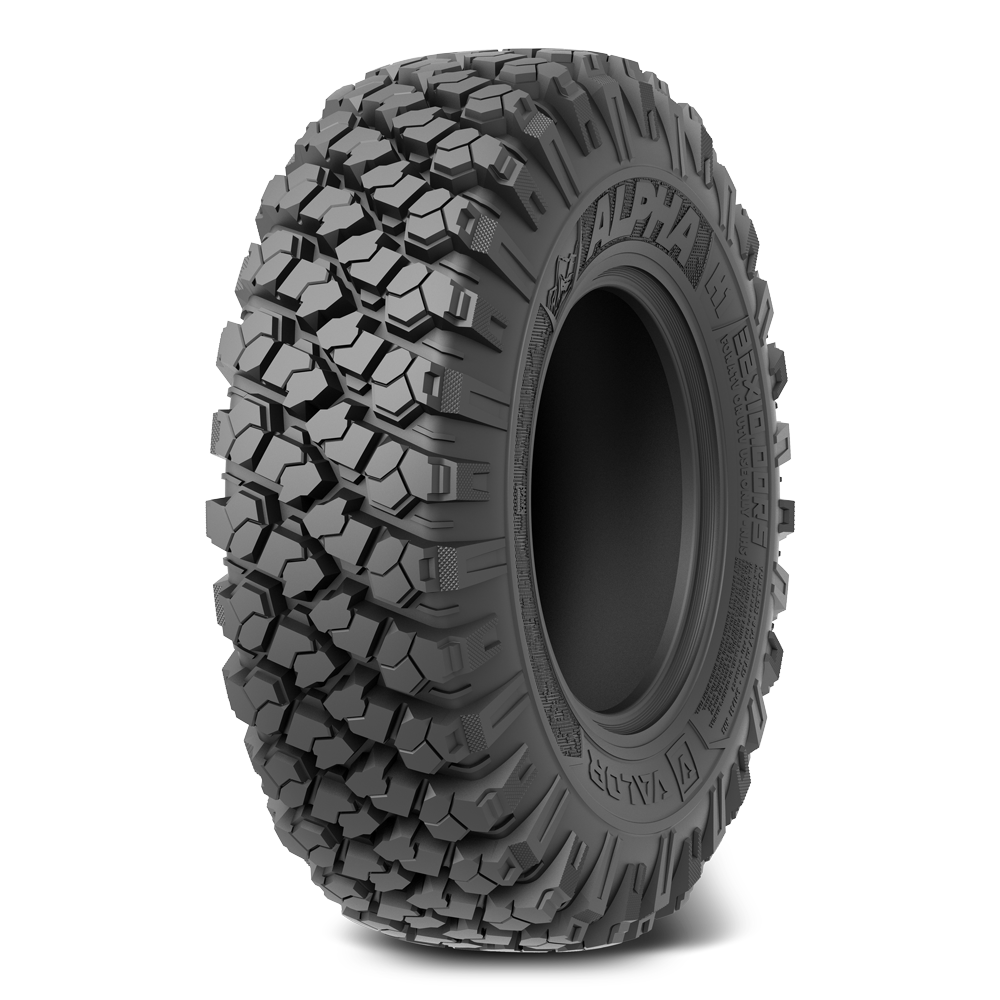
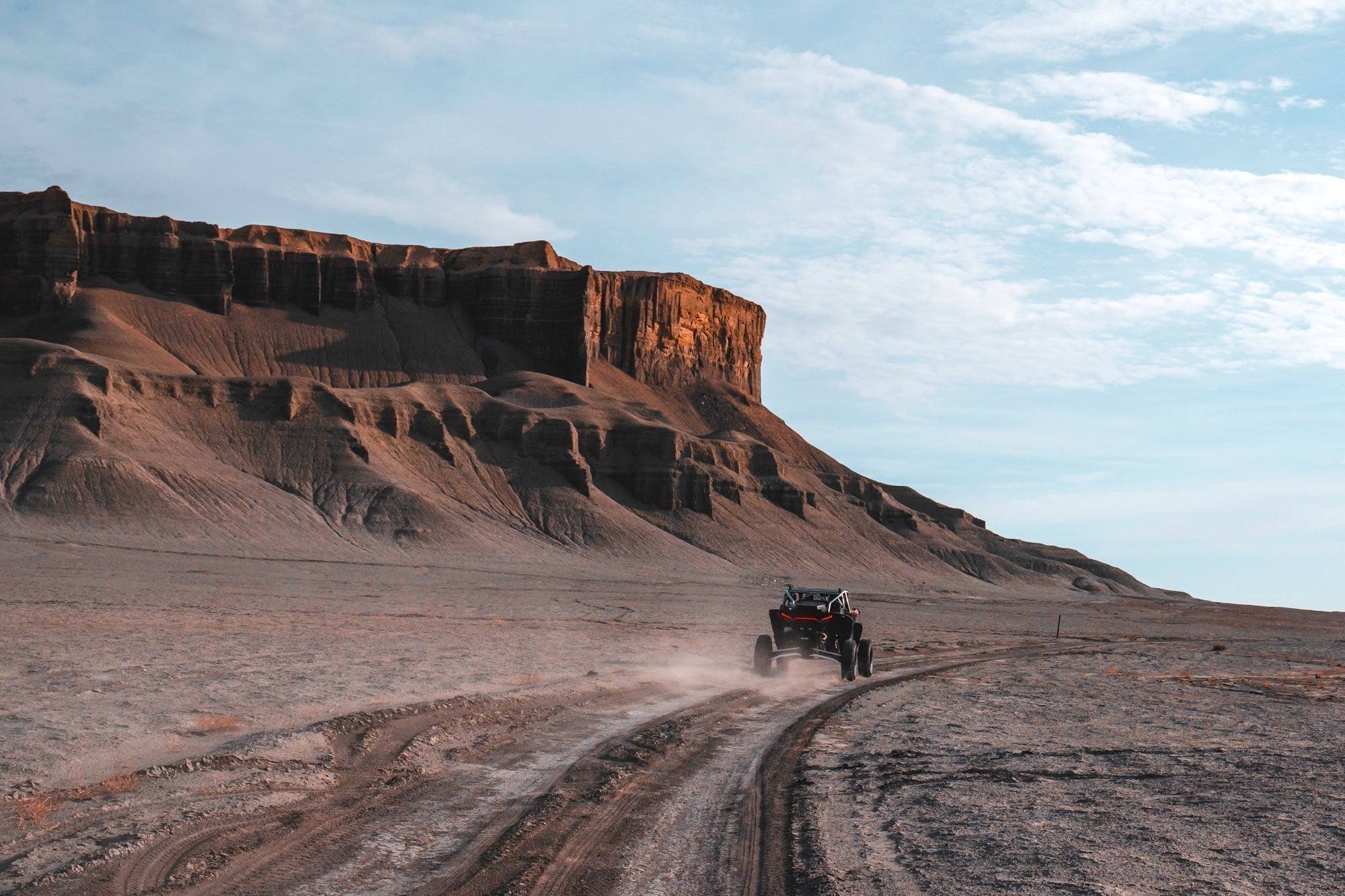
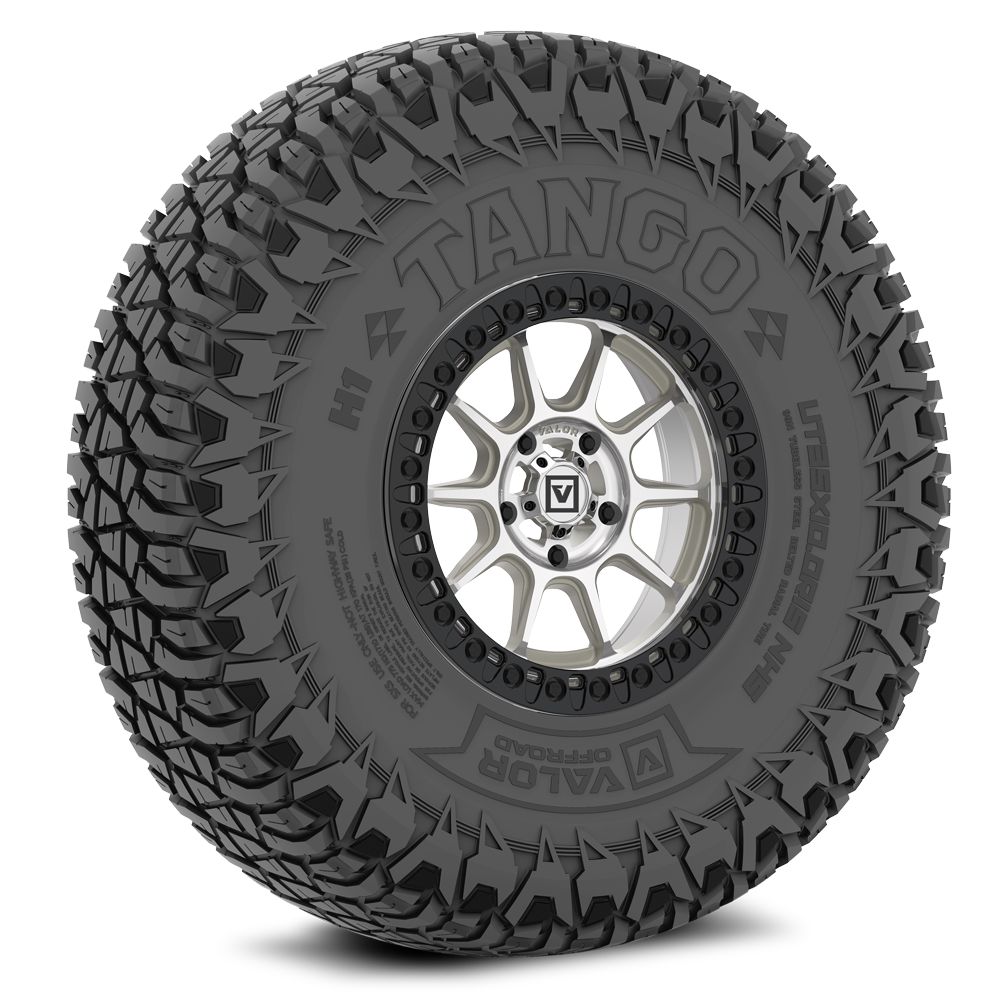
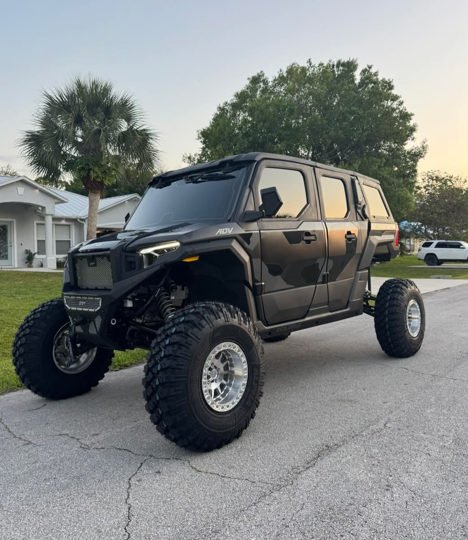
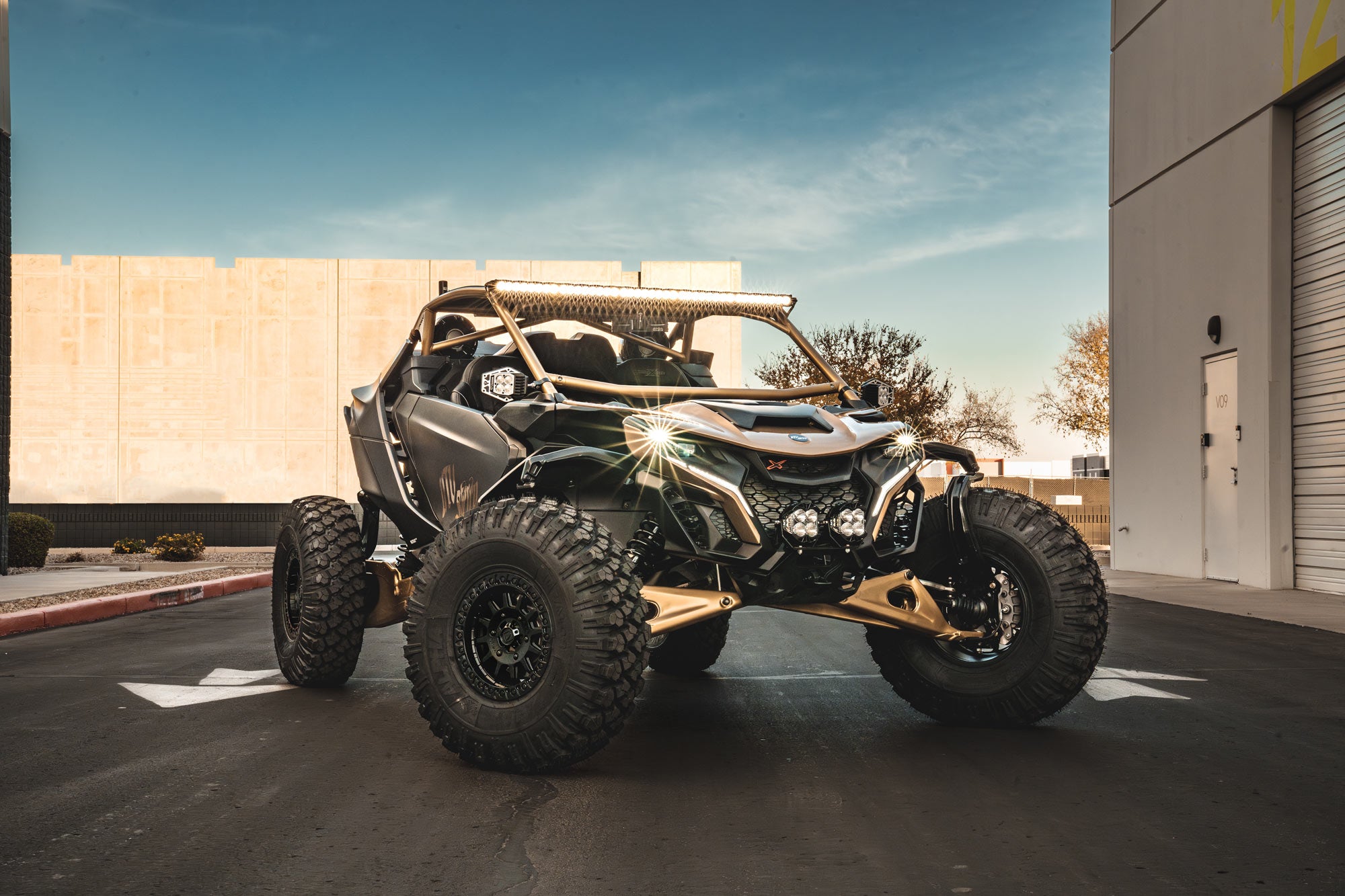
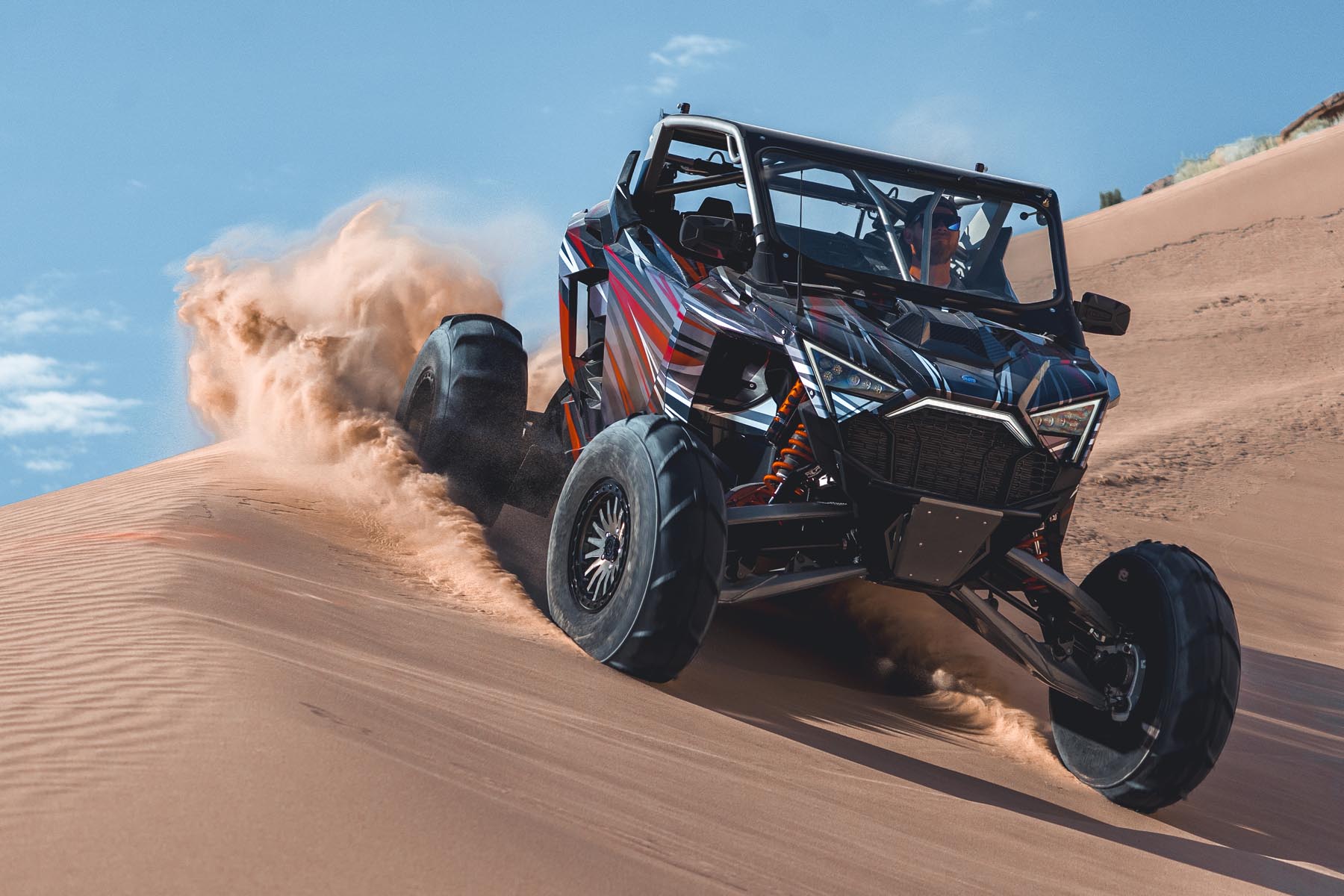
A wide-stance utility UTV is a pure utility model (Polaris Xpedition, Polaris Ranger, CanAm Defender, Kawasaki KRX, CFMoto U10) that utilizes oversizes wheels and tires for an ultra wide stance. You'll typically see 15x10+ wheels and 35"+ tires. This setup improves stability, cornering, and handling on uneven terrain.
Key Characteristics and Benefits
- Enhanced Stability: The increased distance between wheels creates a lower center of gravity and more predictable handling on side-hills and in corners.
- Improved Suspension: Wide-stance UTVs often allow for more suspension travel, providing a smoother ride over rough terrain.
- "Wide Stance" Kits: Owners can achieve this stance by installing lower-offset wheels (e.g., negative offset), wider wheels, or suspension widening kits.
Note: Increasing your UTV's width can increase understeer and may make the vehicle too wide for restricted trails.


WHAT IS WIDE STANCE
We offer professional mounting for any wheel-and-tire combo. Have one of our technicians mount up your wheels and ship them directly to you, so all you have to do is mount them on your vehicle. Let us do the dirty work.

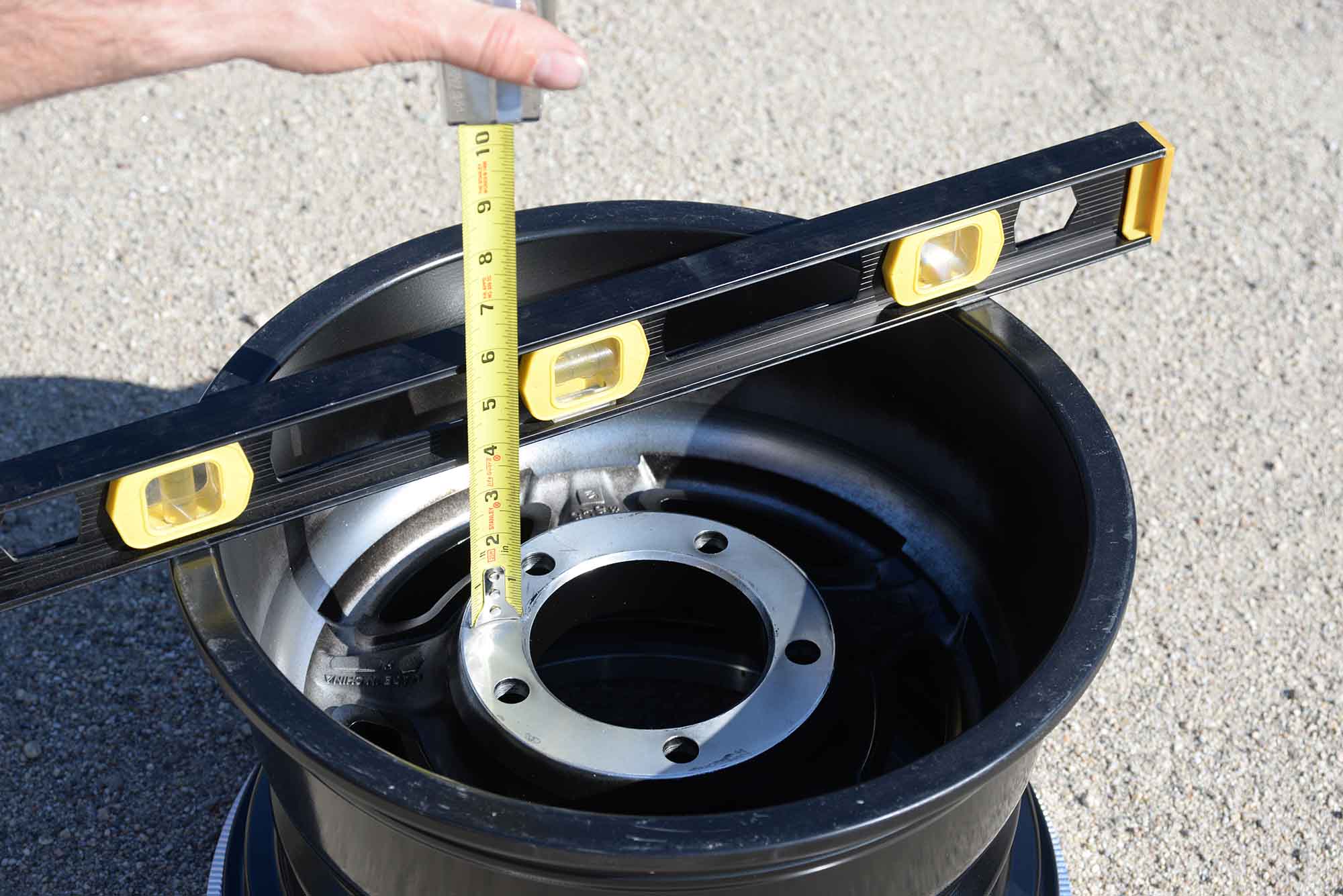
Offset vs Backspacing
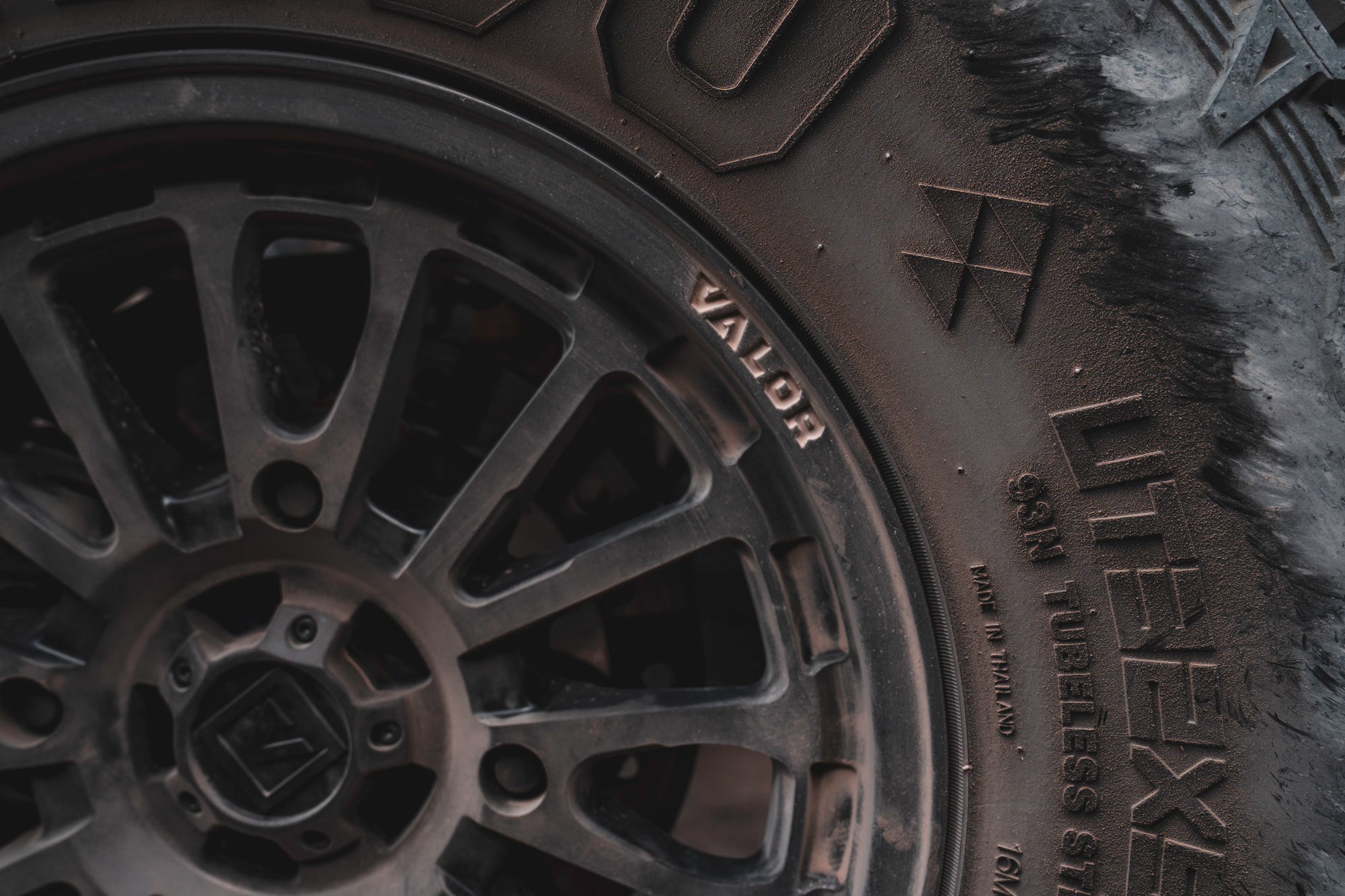
Let's get to the bottom of why some people use backspacing while others use offset when discussing wheel specs. But which one is correct?
What is a good UTv Wheel
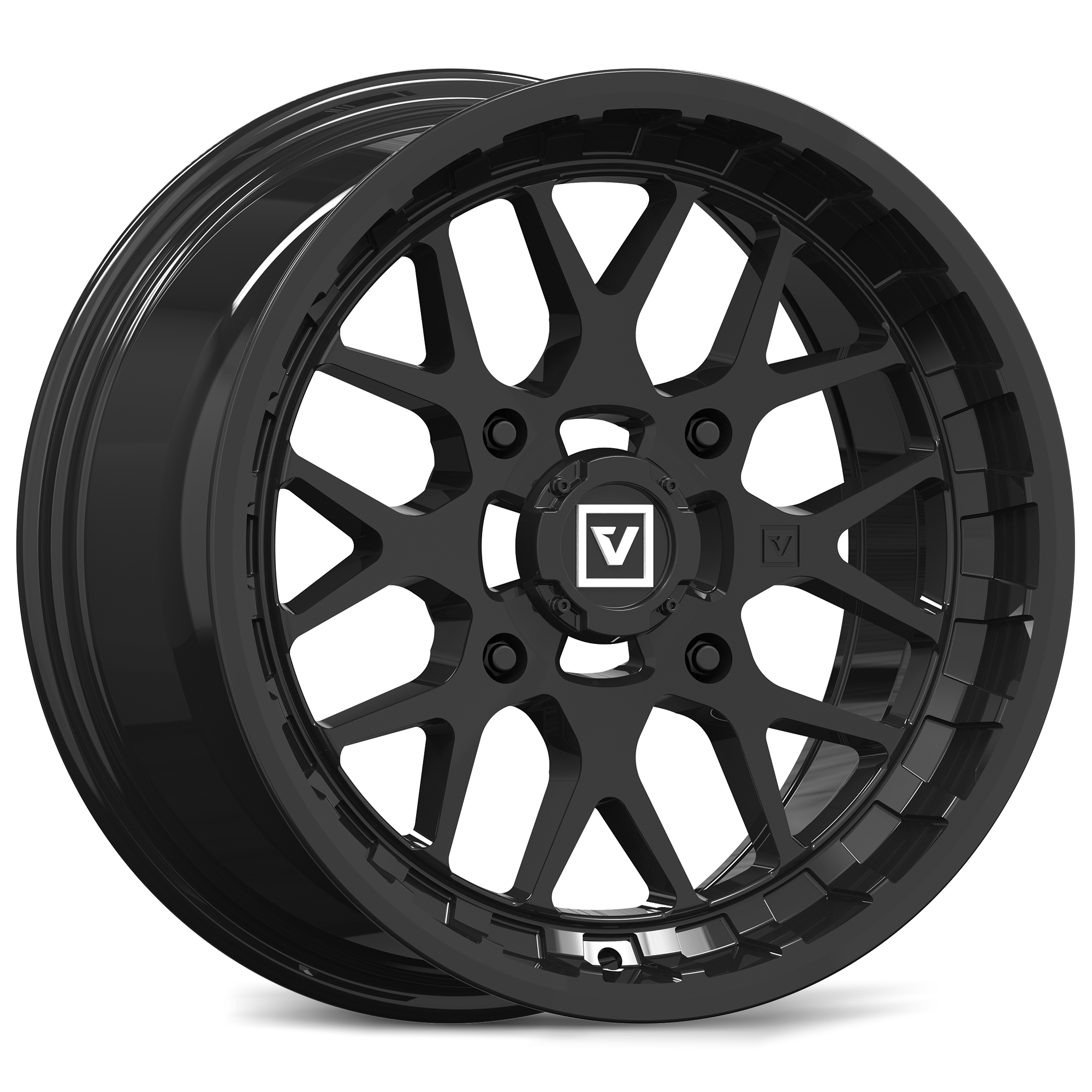
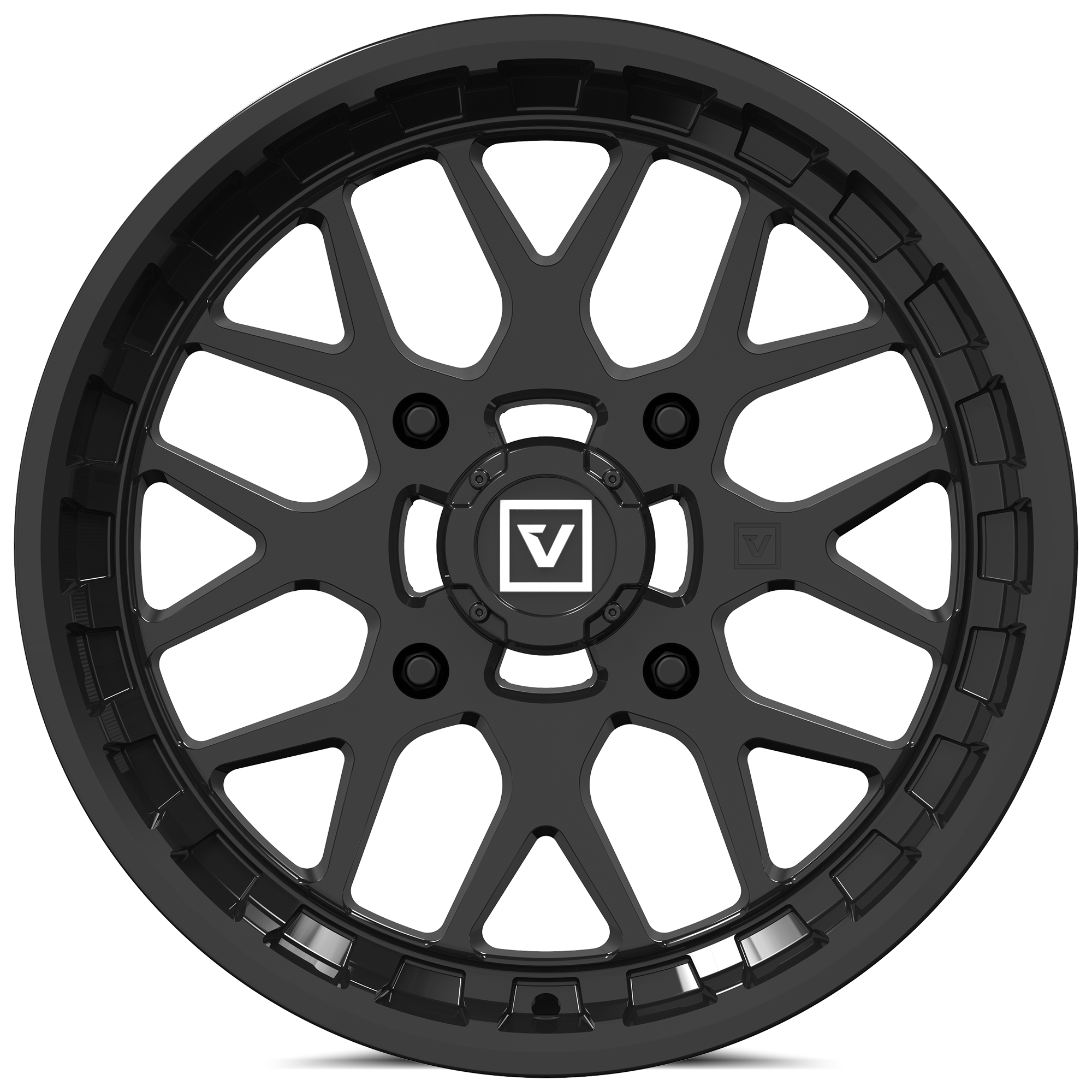
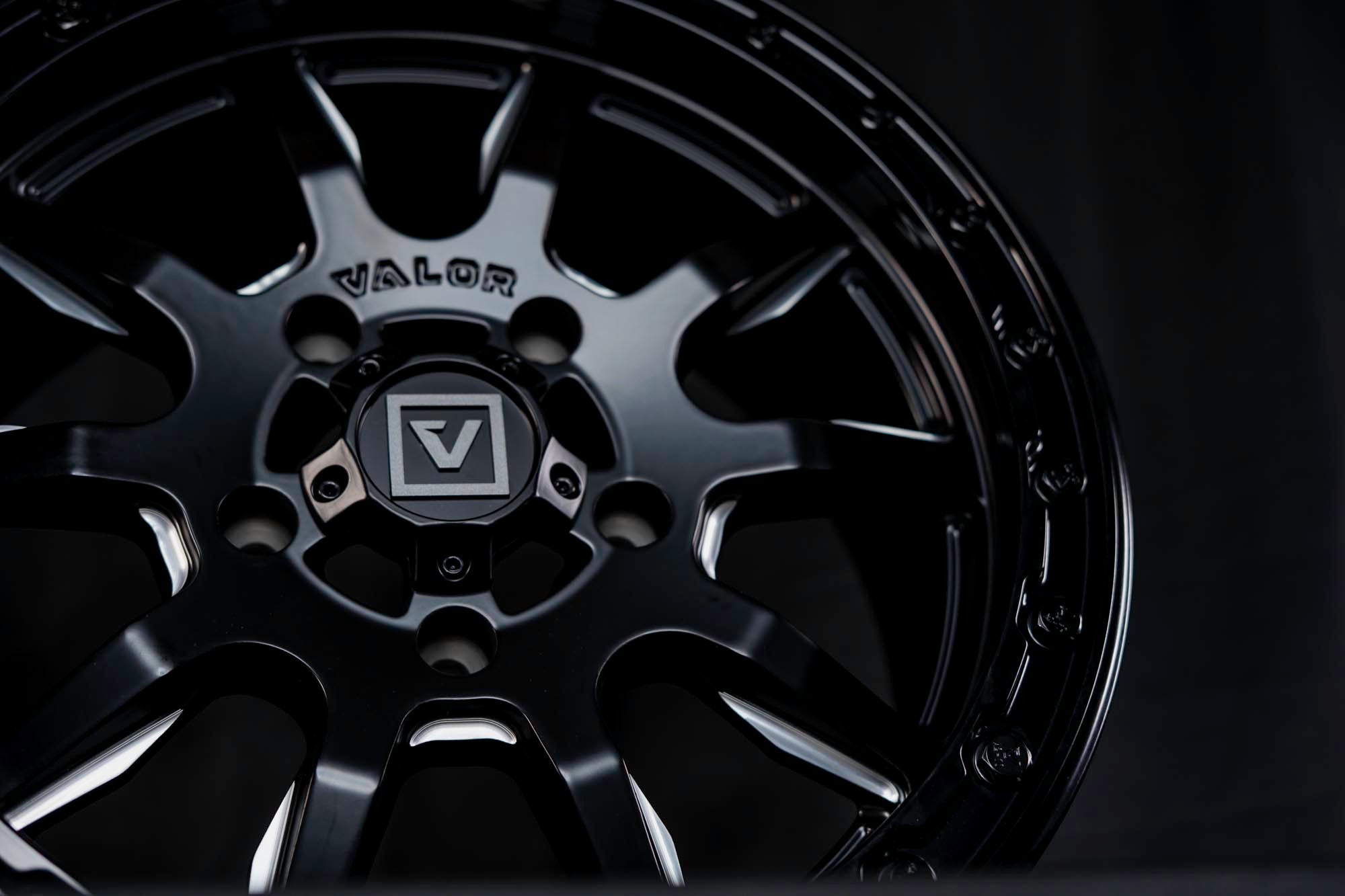
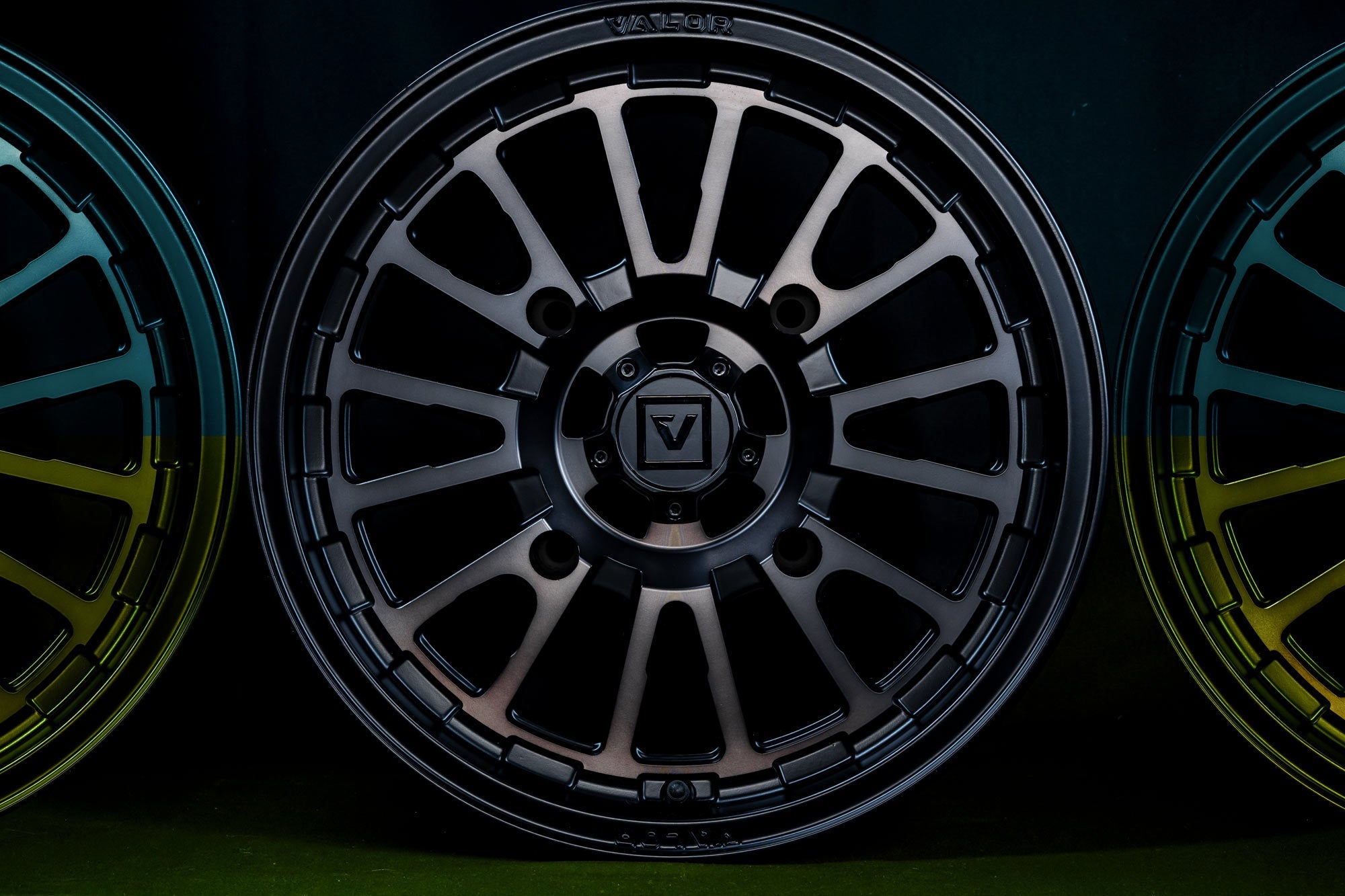
A good UTV wheel is a balance of strength, weight, and proper fitment, with the ideal choice depending heavily on the terrain you ride and your driving style.
1. Construction Method (Strength vs. Weight)The manufacturing process significantly impacts strength, weight, and cost.
- Cast Wheels: The most common and affordable option. Molten aluminum is poured into a mold. They are durable for general use but can be heavier than other types and more prone to bending or cracking under severe impact.
- Flow-Formed Wheels: This process uses heat and pressure to spin and stretch a cast wheel blank into its final shape. This aligns the metal's grain structure, making the wheel lighter and stronger than a traditional cast wheel, offering an outstanding balance of performance and value.
- Forged Wheels: These are made from a solid block of aluminum using extreme pressure. The result is the strongest and lightest UTV wheel available, capable of withstanding the most extreme off-road punishment. They are also by far the most expensive option.
2. Type: Standard vs. Beadlock. The choice of wheel type determines how securely the tire is held to the rim, especially at low tire pressures.
- Standard Wheels: The tire bead is held by air pressure (similar to an automotive tire). These are fine for most trail riding, but can allow the tire to "burp" air or come off the bead completely if running very low PSI (e.g., for rock crawling) or during aggressive cornering.
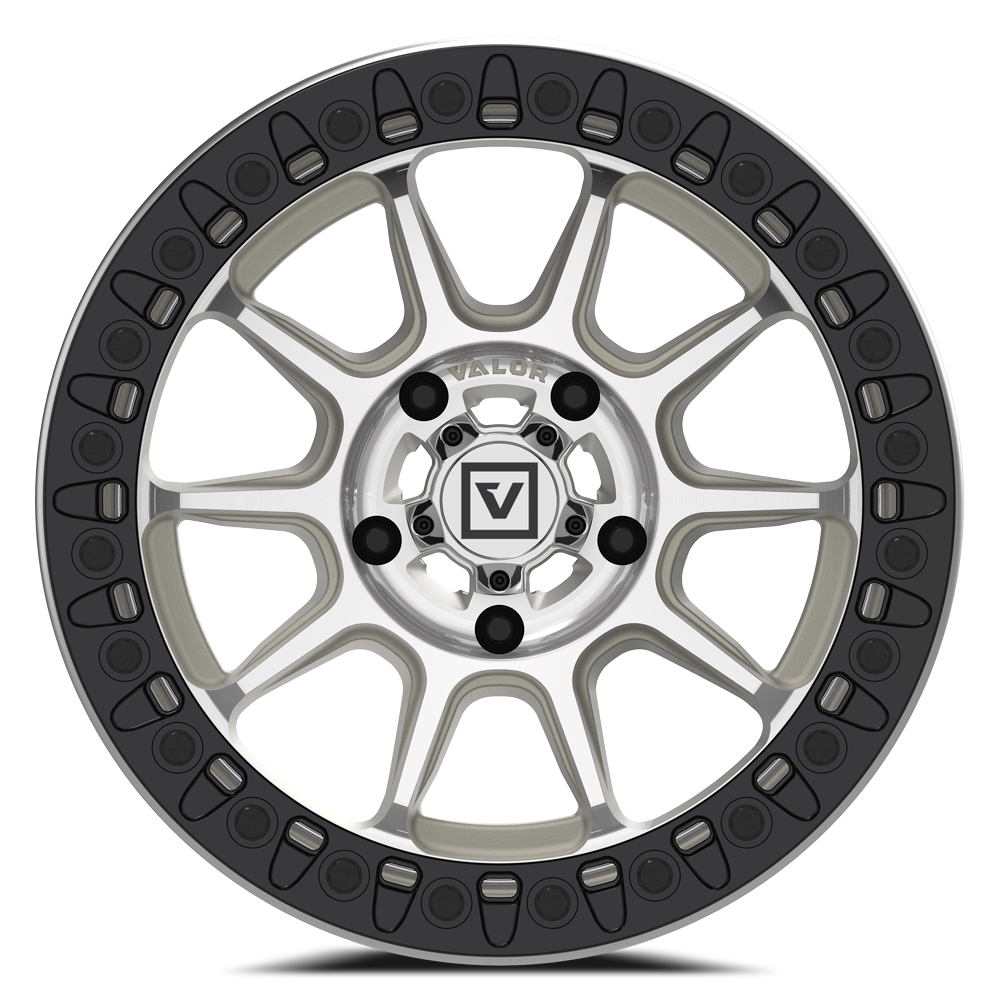
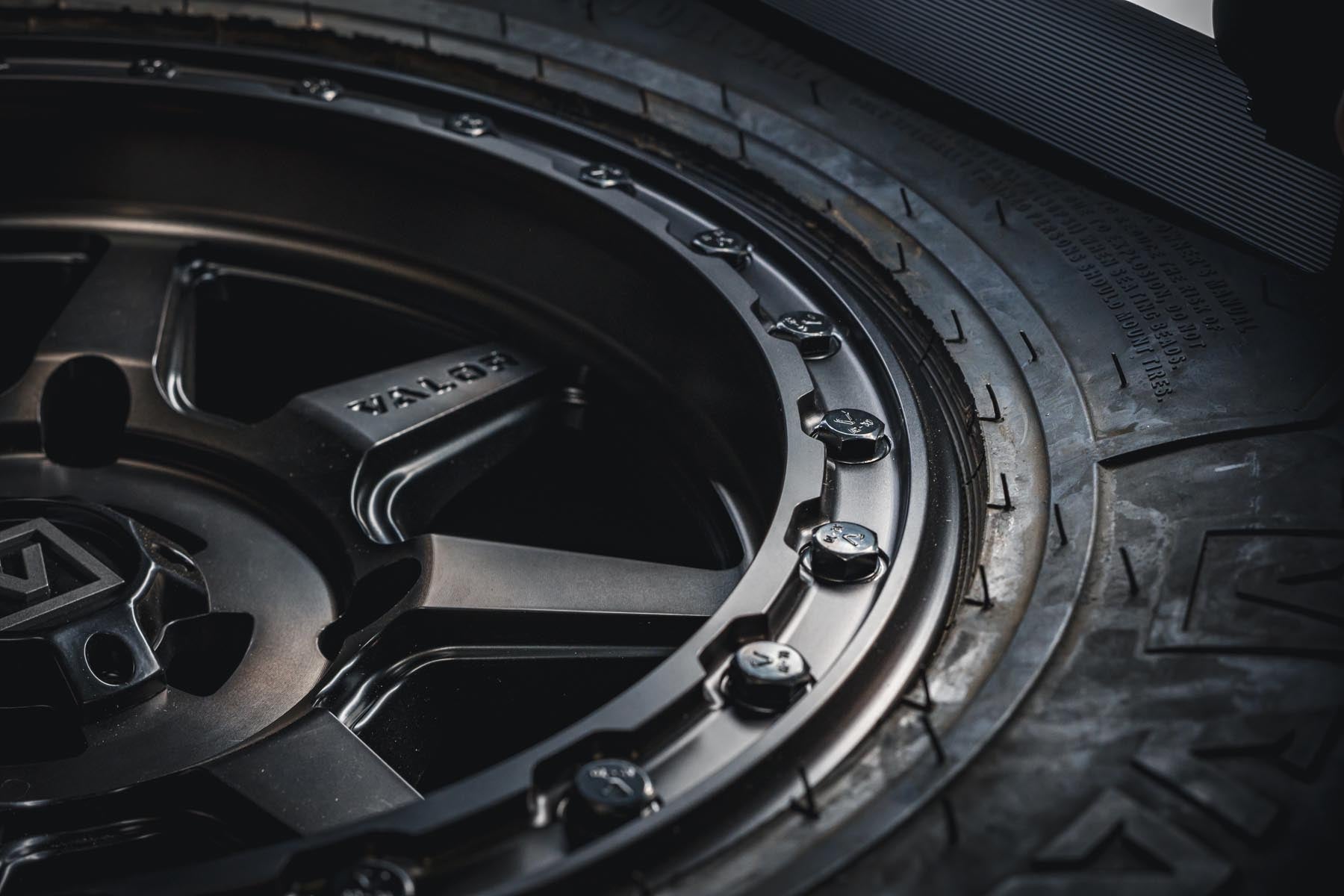
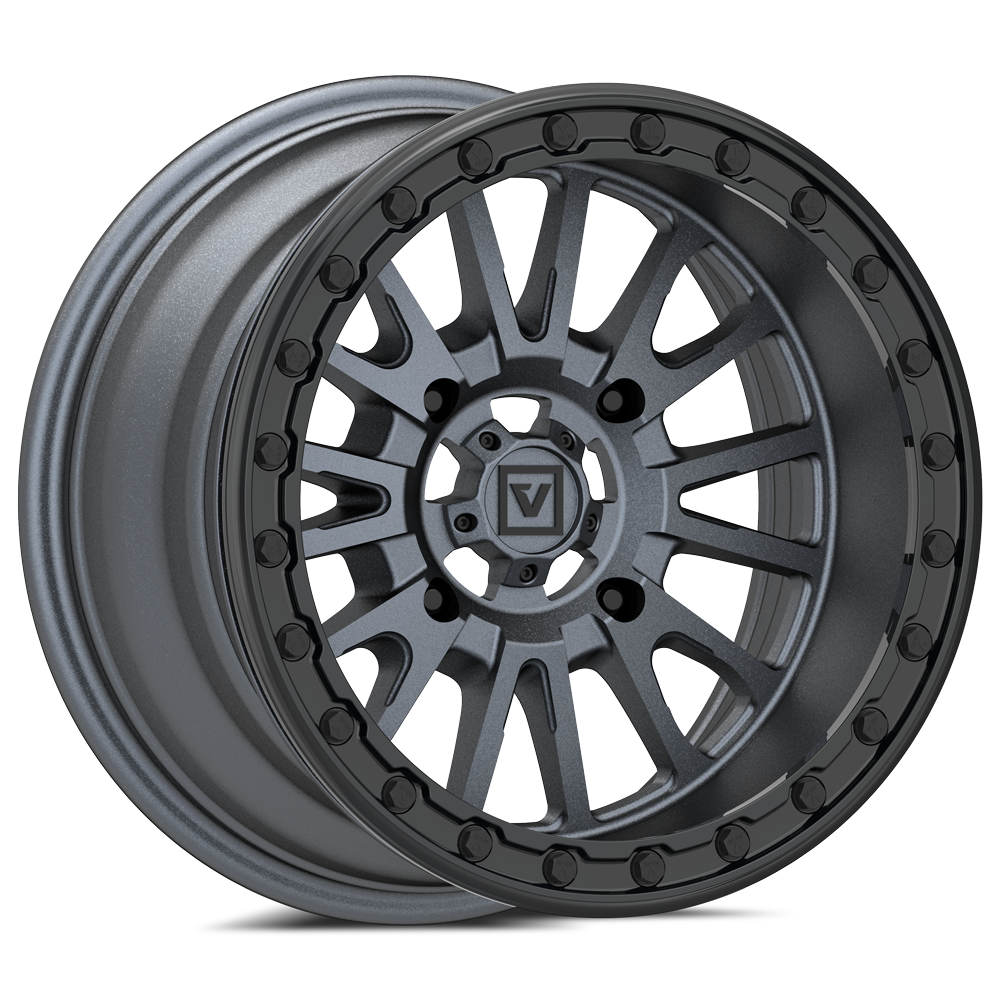
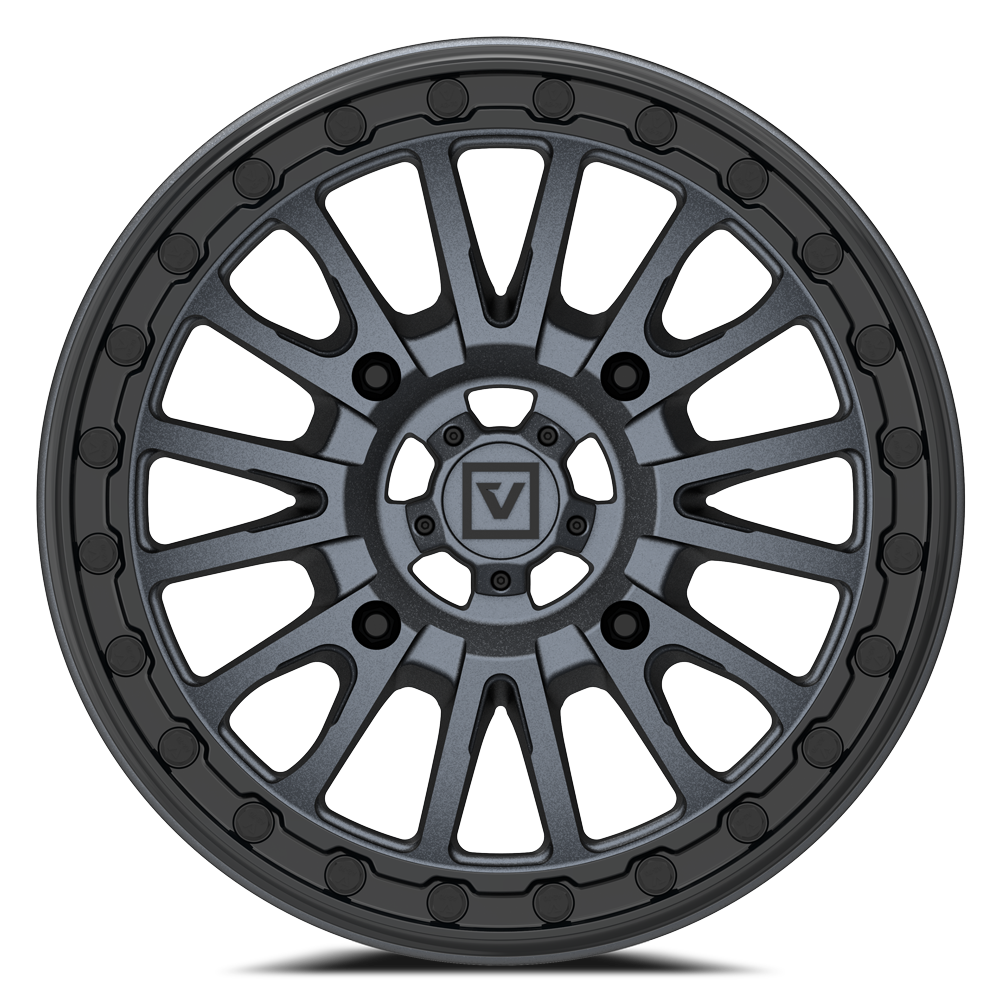
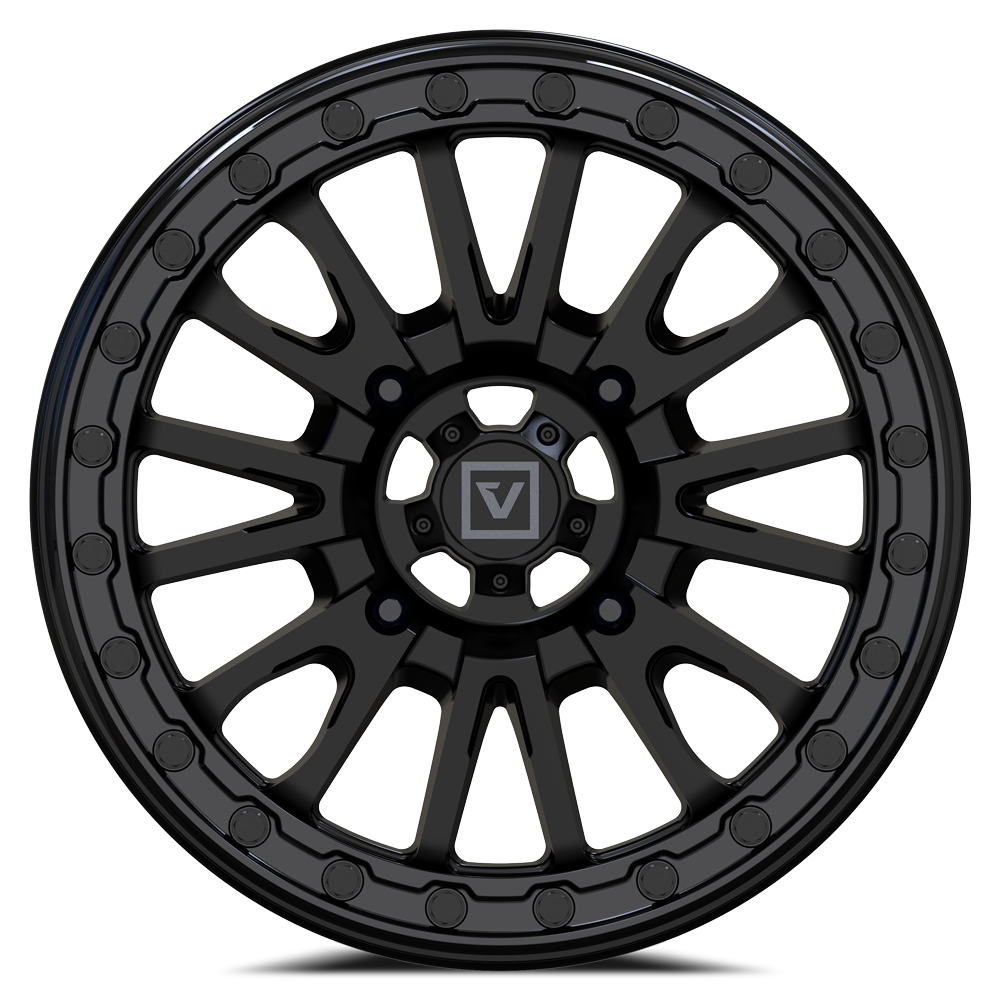
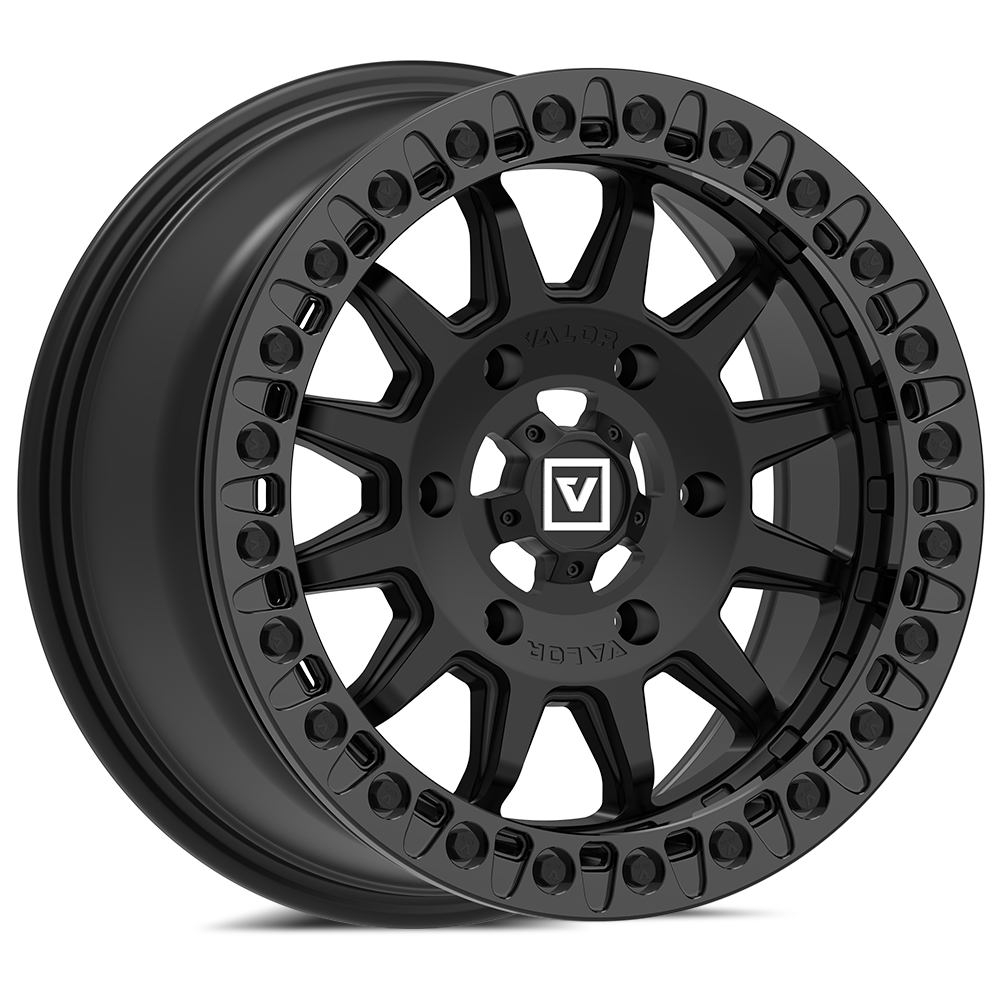
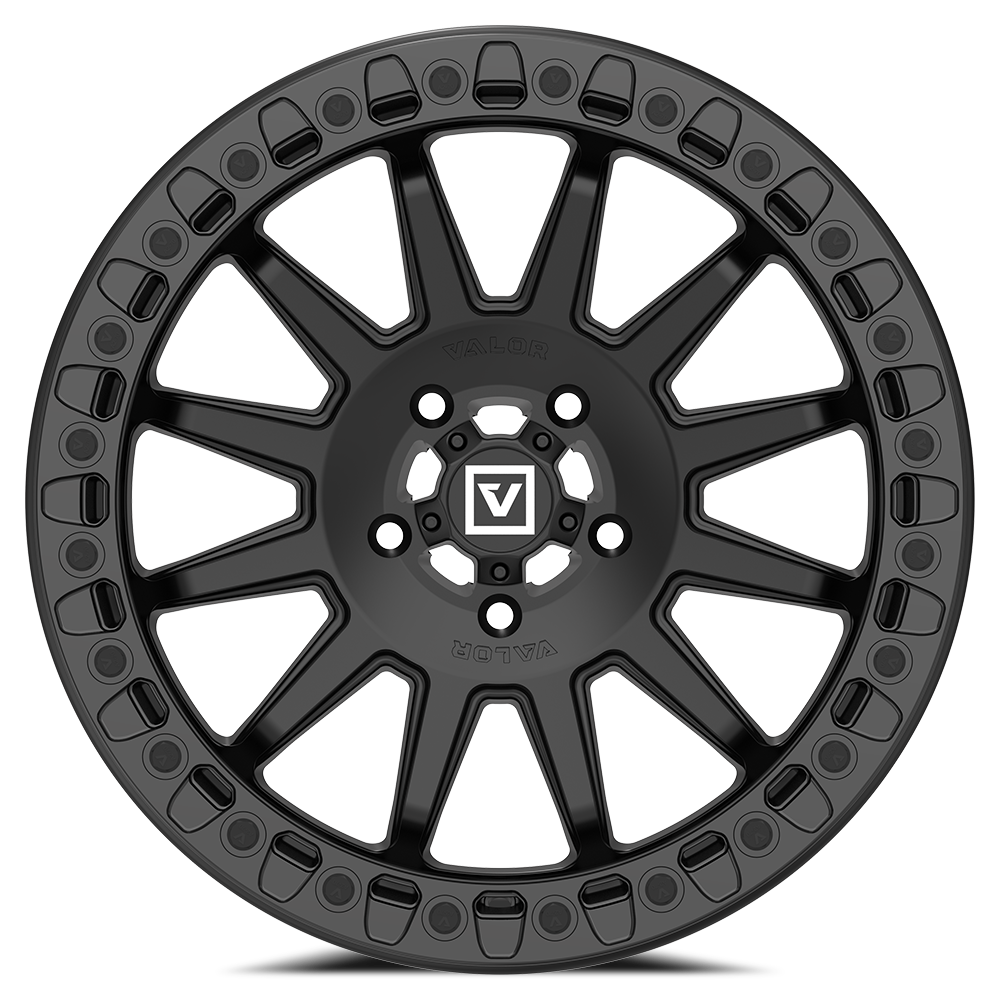
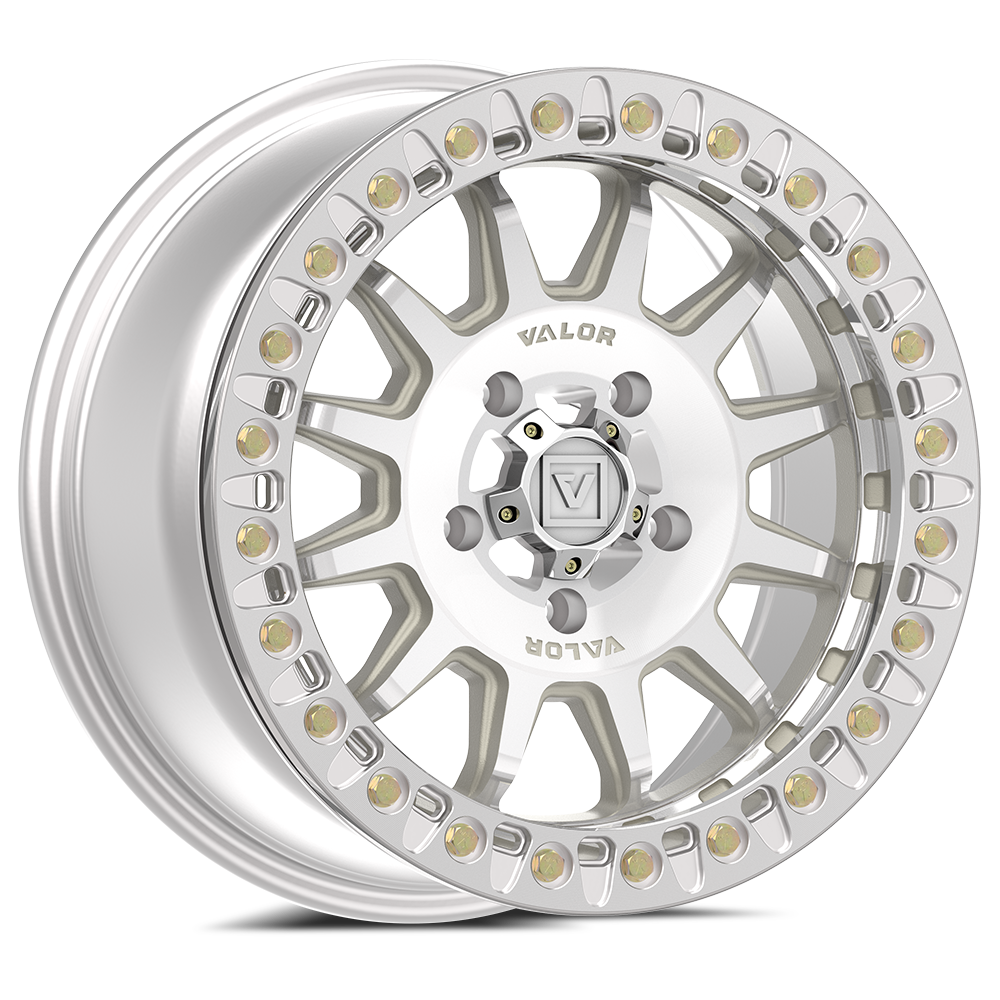
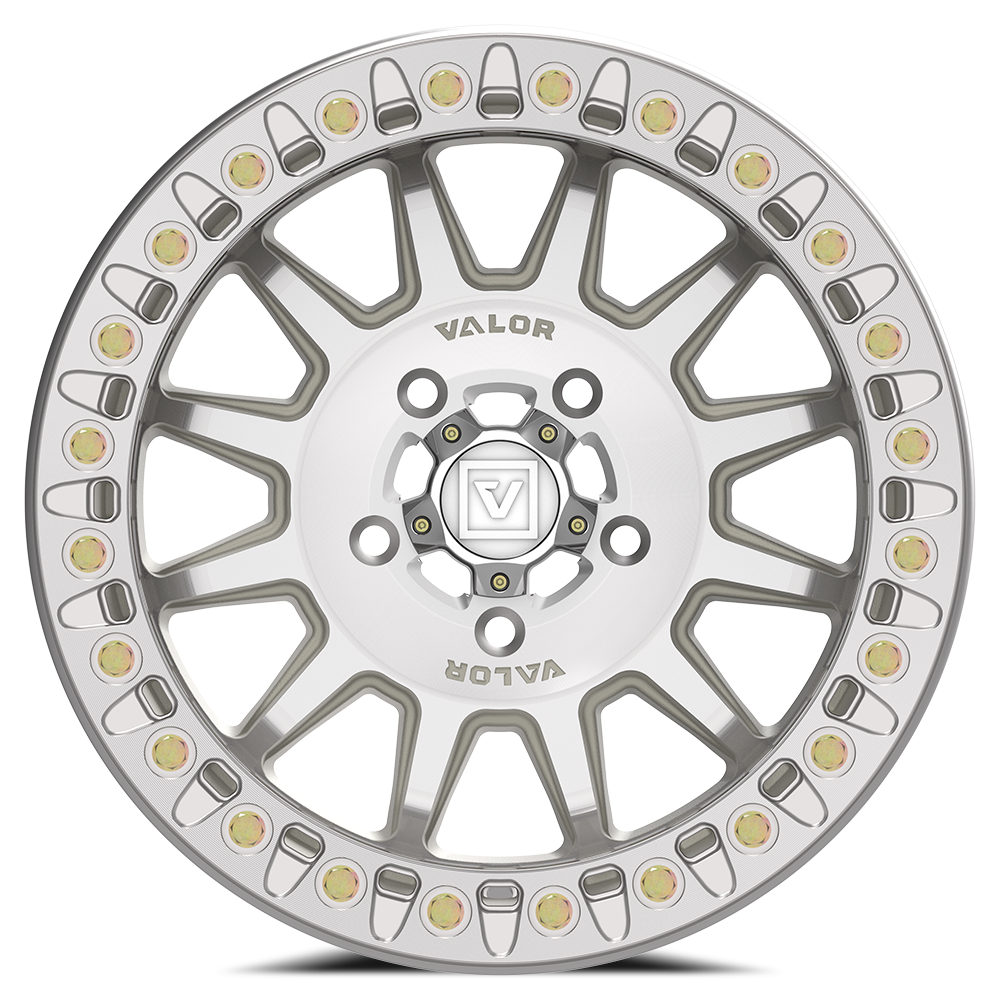
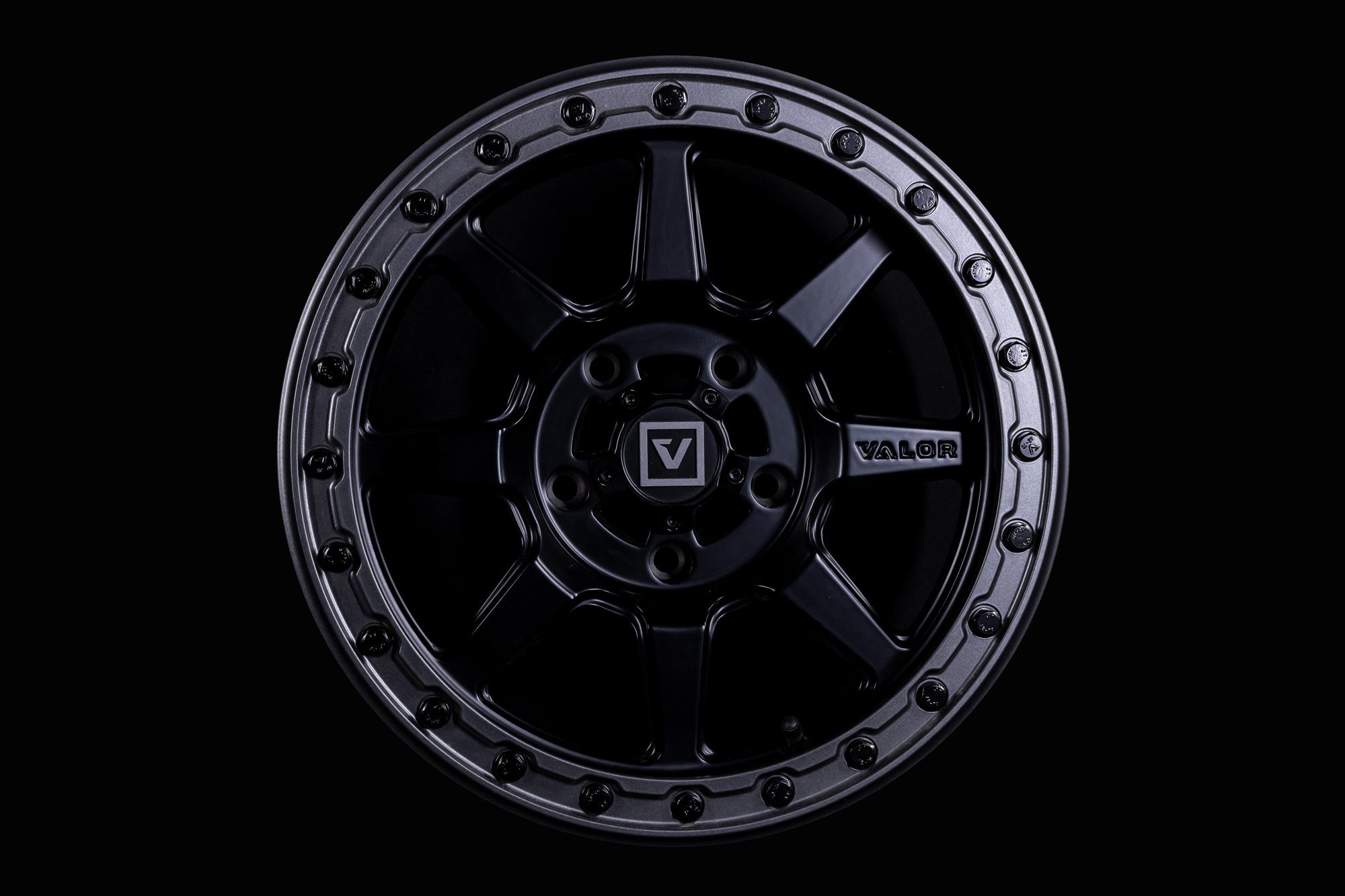
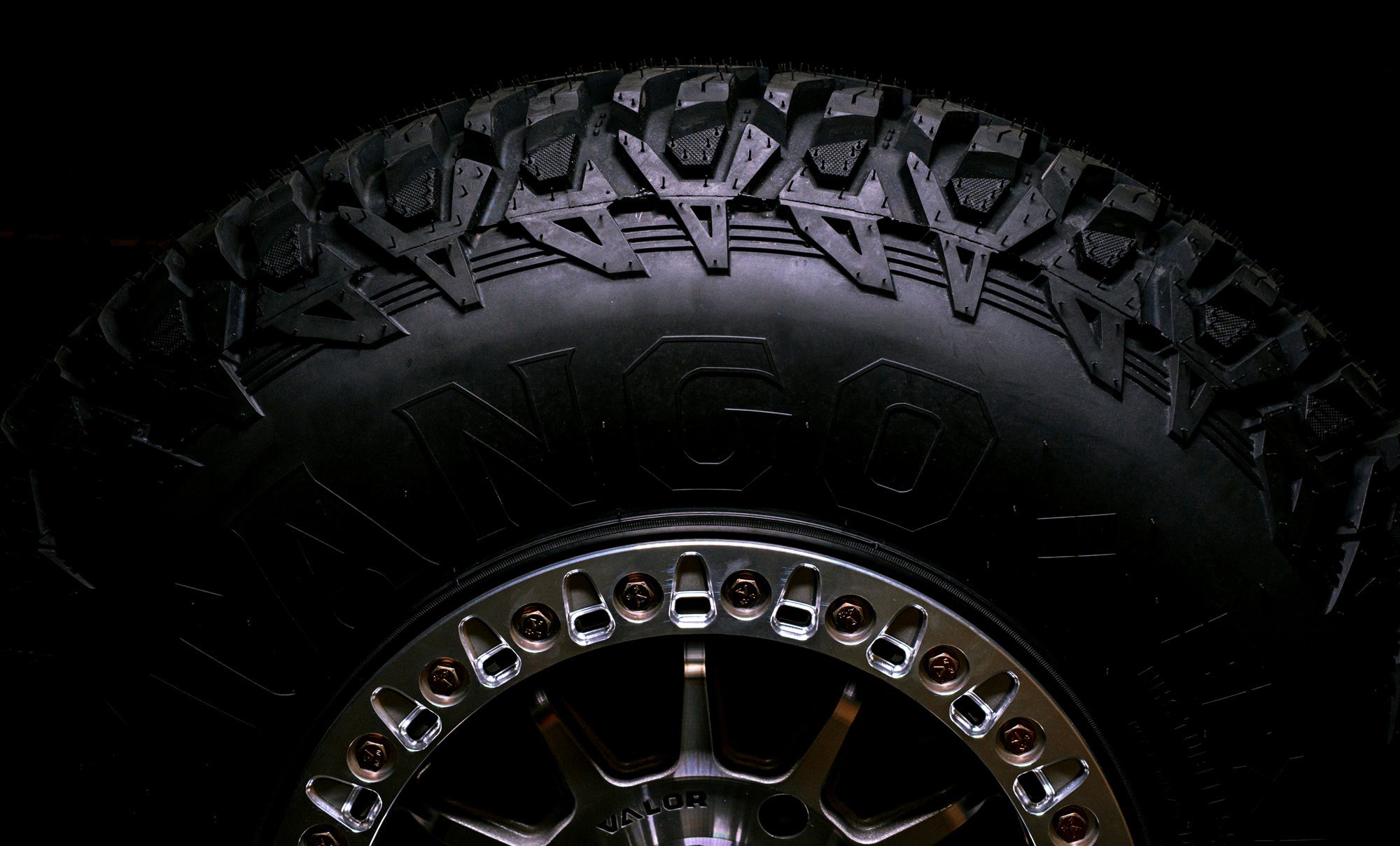
- Beadlock Wheels: These use a clamping ring (beadlock ring) with bolts to physically secure the tire's outer bead to the wheel. This prevents the tire from breaking its seal or spinning on the rim, even at single-digit PSI, making them essential for technical driving and racing.
3. Fitment and Specifications: Proper fitment is crucial for safety and performance.
- Offset/Backspacing: This determines where the wheel sits in the wheel well. A proper offset ensures the tire doesn't rub the suspension or fenders and maintains optimal vehicle stability.
- Bolt Pattern: UTVs have specific bolt patterns (e.g., Can-Am and Polaris use different patterns). The wheel must match your particular vehicle's pattern.
- Size (Diameter & Width): Matching the wheel width to the tire width ensures proper tire bead seating and an appropriate tire profile for handling.
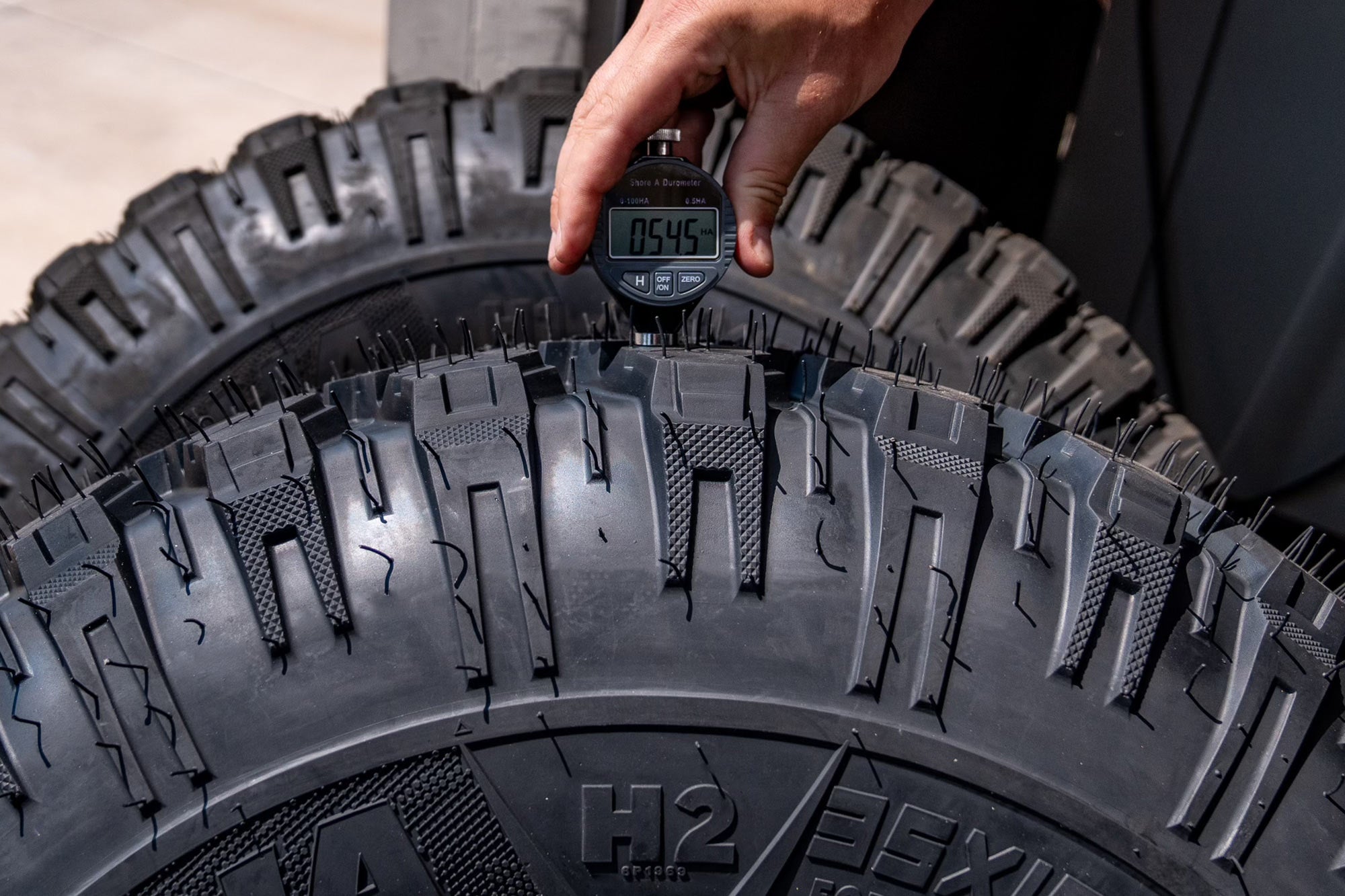
Best Hard Pack UTV Tire