


The Ultimate Packing & Prep Guide for a Week-Long UTV Adventure
There’s a major difference between loading up for a day ride and preparing for a week—or longer—deep in the backcountry. Extended UTV trips demand planning, redundancy, and constant attention to both your machine and your environment. The farther you get from pavement, the more important preparation becomes.
Whether you’re heading into desert terrain, alpine trails, remote forests, or multi-state expedition routes, this guide covers the essentials: vehicle prep, recovery gear, tools, camping equipment, trail organization, and what to inspect every single night at camp.
Before You Leave: Vehicle Preparation Matters Most
The best gear in the world won’t save a neglected machine. Long-distance UTV riding puts sustained stress on suspension, driveline components, tires, cooling systems, and electrical systems. Start with a full inspection several days before departure so you have time to replace parts if needed.
Before departure:
-
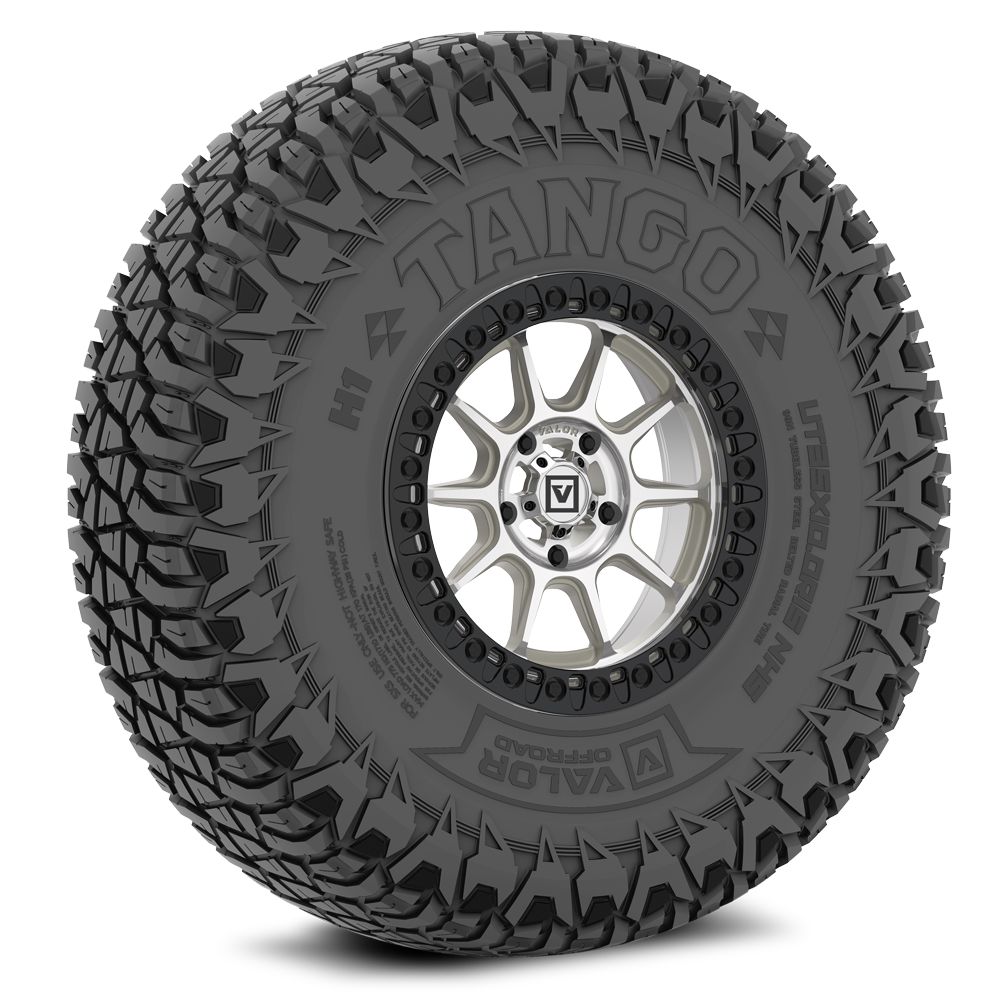
Inspect sidewalls for cuts, punctures, weather cracking, or exposed cords
-
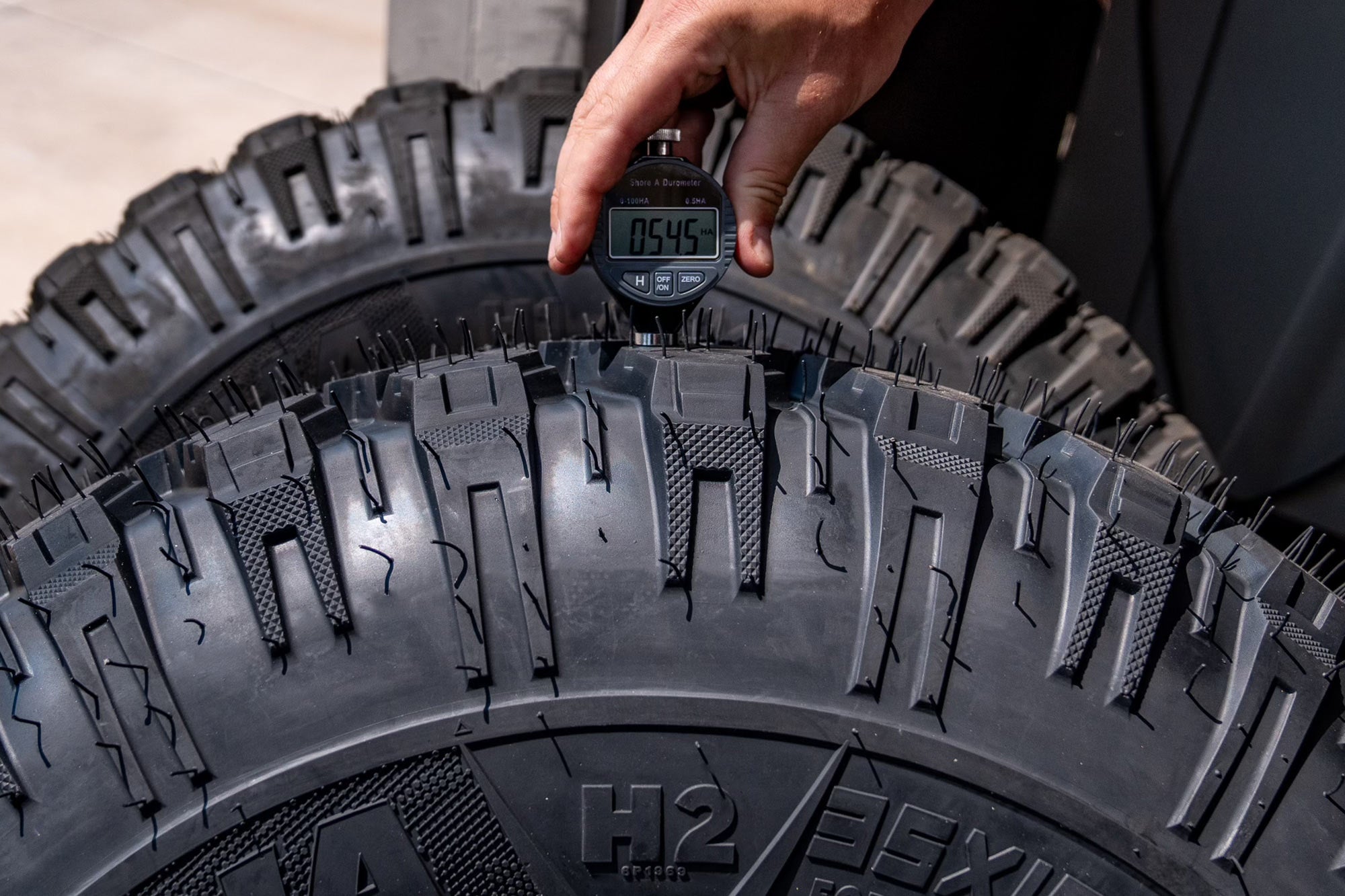
Check tread depth across all tires
-
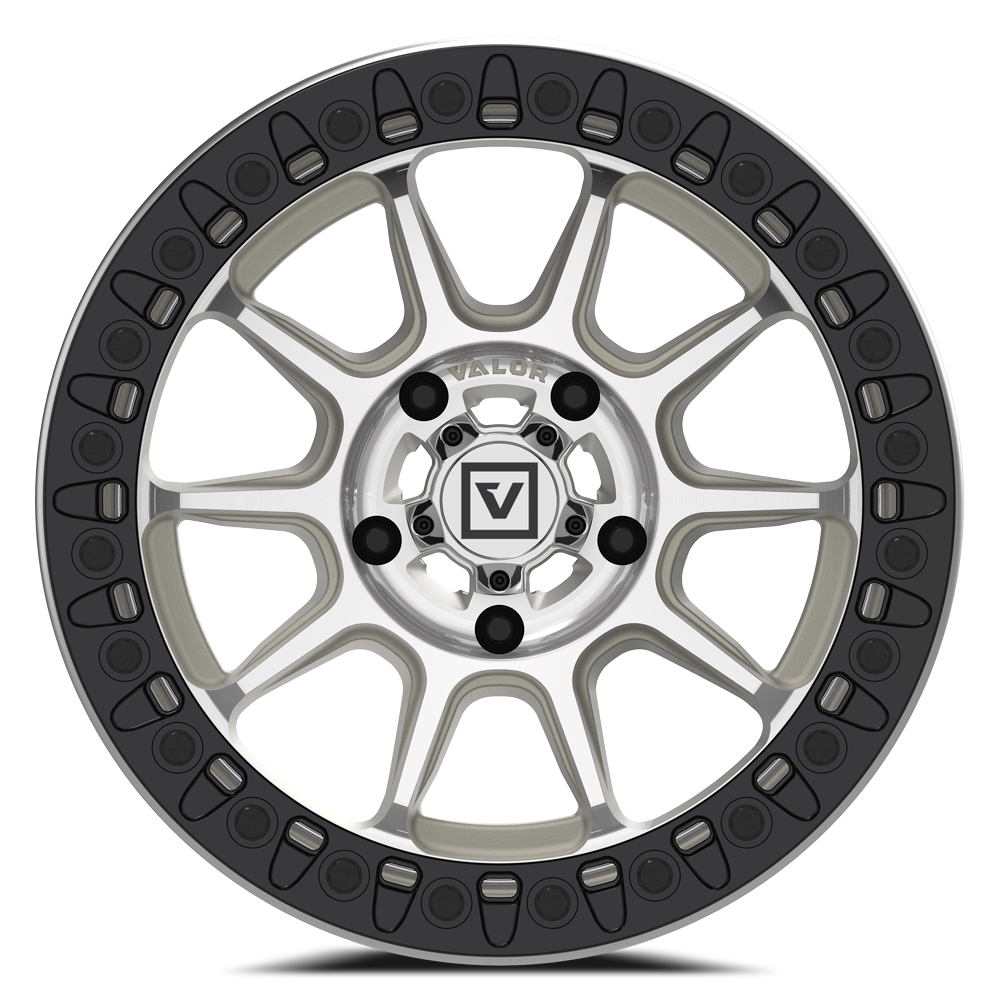
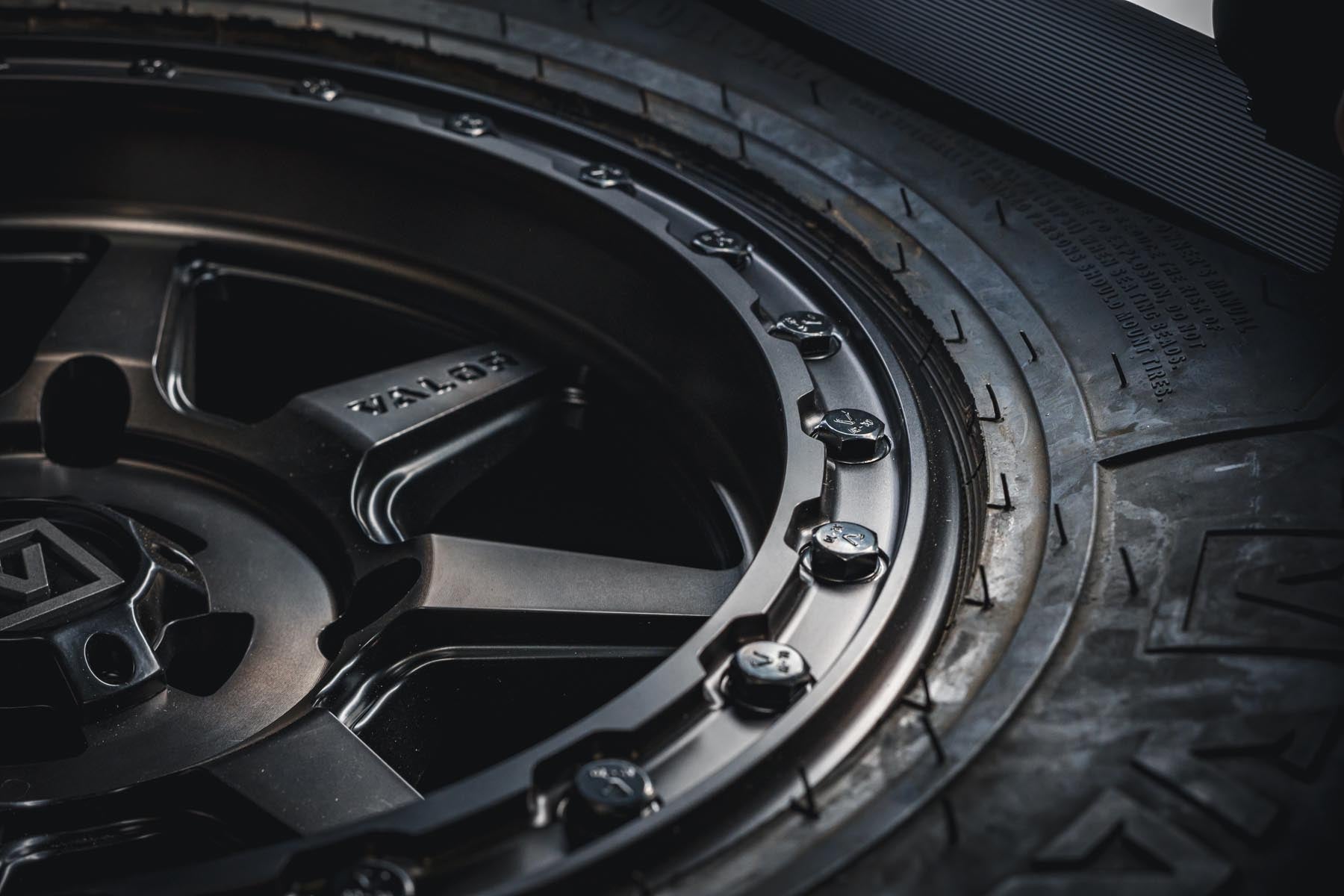
Verify beadlock ring torque if applicable
-
Confirm wheel lug torque
-
Pack at least one full-size spare tire
-
Carry a tire repair kit and valve stems
-
Verify tire pressure when cold
Long-distance riding often reveals weak sidewalls or damaged belts that may not show during short local rides.
Suspension & Steering Inspection
-
Ball joints
-
Tie rods
-
Wheel bearings
-
Radius rod heims
-
Shock seals
-
Sway bar links
-
A-arm bushings
Look for:
-
Slop in steering
-
Clicking during turns
-
Leaking shocks
-
Uneven tire wear
-
Bent components
If something already feels questionable before the trip, replace it.
Fluids & Filters
Complete a full service before departure:
-
Engine oil
-
Transmission fluid
-
Differential fluid
-
Air filter
-
Fuel filter
-
Coolant inspection
-
Brake fluid inspection
Dust destroys engines over long trips. Carry:
-
Spare pre-oiled air filters
-
Filter skins
-
Airbox sealing grease
-
Cleaning supplies
Electrical System Test
-
Battery health
-
Charging voltage
-
Winch operation
-
Auxiliary lighting
-
GPS power systems
-
Radios/intercoms
Pack:
-
Spare fuses
-
Electrical tape
-
Wire repair kit
-
Zip ties
-
Extra battery terminals
-
Compact jump pack
Essential Recovery Gear
Winch Inspection
-
Rope condition
-
Hook integrity
-
Solenoid functionality
-
Remote operation
Carry:
-
Tree saver strap
-
Soft shackles
-
Snatch block
-
Recovery gloves
Recovery Boards
They’re lighter and faster than repeated winch pulls.
-
Sand
-
Snow
-
Mud
-
Loose shale
Tow Strap
Bring a proper kinetic recovery rope or rated tow strap. Avoid: Cheap hardware store straps, rusted shackles, unrated hardware
Portable Air Compressor
Critical for: Airing down, tire repairs, bead reseating, adjusting pressure between terrain changes
Tools You Should Always Carry
A week-long ride is not the time to rely on factory toolkits.
Core Tool Kit
Bring tools specifically matched to your machine.
Include:
-
Full socket set
-
Ratchets/extensions
-
Allen keys
-
Torx bits
-
Combination wrenches
-
Screwdrivers
-
Pliers
-
Vice grips
-
Torque wrench
-
Breaker bar
Trail Repair Supplies
-
JB Weld
-
Hose clamps
-
Spare belts
-
Spare wheel studs
-
Spare lug nuts
-
Fuel line
-
Extra bolts/nuts
-
Zip ties
-
Duct tape
-
Wire
-
Silicone sealant
Spare Parts Worth Bringing
-
Drive belt
-
Wheel bearings
-
Axles
-
Tie rods
-
Radius rods
-
Fuel pump
-
Spark plugs
-
Relays
-
Belt removal tool
Navigation & Communication
GPS Navigation
-
Dedicated off-road GPS
-
Offline mapping apps
-
Preloaded GPX routes
Always download maps before leaving civilization.
Satellite Communication
The devices can: send SOS signals, share location, request emergency rescue
-
Garmin inReach
-
ZOLEO
-
Satellite phone
Radios
Group communication dramatically improves ride safety.
-
GMRS radios
-
Rugged Radios systems
-
Helmet communication setups
Camping & Basecamp Essentials
A poorly organized camp becomes exhausting after several days. Focus on efficiency, weather resistance, and repeatable setup.
Shelter
-
Ground tent (don't forget extra stakes and patches)
-
Rooftop tent
-
Lightweight expedition shelter
Sleeping Setup
-
Proper sleeping bag rating
-
Insulated sleeping pad
-
Compact camp pillow
-
Emergency blanket
Camp Cooking
-
Jetboil or propane stove
-
Compact cookware
-
Reusable utensils
-
Water filtration system
-
Cooler or powered fridge
Lighting
-
Headlamps
-
Area lanterns
-
Rechargeable lights
-
Backup batteries
Food & Water Planning
-
Minimum one gallon per person per day (More in desert climates)
-
Hydration packs
-
Water containers
-
Filtration backup
-
Electrolyte packets
-
High-calorie snacks
-
Protein
-
Shelf stability
-
Easy preparation
Popular trail foods:
-
Jerky
-
Trail mix
-
Freeze-dried meals
-
Energy bars
-
Instant coffee
What To Inspect Every Night at Basecamp
The best expedition riders inspect their machine every evening before relaxing. Small issues caught early prevent catastrophic failures the next day.
Nightly Inspection Checklist:
Tires & Wheels
-
Sidewall damage
-
Embedded rocks
-
Air pressure loss
-
Loose lug nuts
Suspension
-
Shock leaks
-
Bent radius rods
-
Loose heims
-
Cracked mounts
Driveline
-
Torn CV boots
-
Grease sling
-
Differential leaks
-
Belt heat issues
Air Filter
- Dust conditions can clog filters rapidly. Clean or replace as needed.
Fluids
-
Oil level
-
Coolant level
-
Brake fluid
-
Fuel leaks
Hardware
-
Beadlock bolts
-
Skid plate hardware
-
Rack mounting bolts
-
Accessory mounts
Lights & Electrical
-
Charging voltage
-
Radio functionality
-
GPS charging
-
Battery health
What To Watch For While Riding
-
Steering vibration
-
New noises
-
Belt smell
-
Temperature spikes
-
Pulling under braking
-
Driveline clicking
-
Loss of power
-
Sudden suspension harshness
Smart Packing Strategy
Weight distribution matters more than many riders realize.
Pack Heavy Items:
-
Low
-
Centered
-
Secured tightly
Avoid:
-
Loose gear
-
Overloaded roof storage
-
Heavy rear-biased loads
Use:
-
Waterproof bags
-
Storage organizers
-
Labeled containers
-
Quick-access tool bags
TLDR:
A successful week-long UTV trip is rarely about speed or extreme terrain. It’s about preparation, consistency, and managing small problems before they become trip-ending failures.
The riders who enjoy long-distance adventures the most are usually the ones who:
-
Inspect their machines constantly
-
Pack methodically
-
Travel prepared for self-recovery
-
Respect changing terrain and weather
-
Prioritize reliability over unnecessary gear
When your vehicle is properly prepared and your camp systems are dialed in, extended UTV trips are one of the most rewarding ways to explore any remote terrain. We've spent our fair share of time on the trails and learned each time what TO bring and what NOT to bring.