


Forged Wheels vs. Cast Wheels: Manufacturing, Strength, Weight Savings, and When to Upgrade
When choosing aftermarket wheels, one of the most important decisions is whether to run a cast wheel or upgrade to a forged wheel. Both manufacturing methods can produce strong, reliable wheels, but they are not built the same way—and they do not perform the same under demanding use.
Forged wheels are widely considered the premium option because they offer exceptional strength, reduced weight, improved fatigue resistance, and a higher strength-to-weight ratio. For UTVs, off-road vehicles, race builds, and high-performance applications, those advantages can make a meaningful difference.
This guide explains how forged wheels are made, why the forging process exists, how forged wheels compare to cast wheels, and when upgrading to a forged wheel makes sense.
What Is a Forged Wheel?
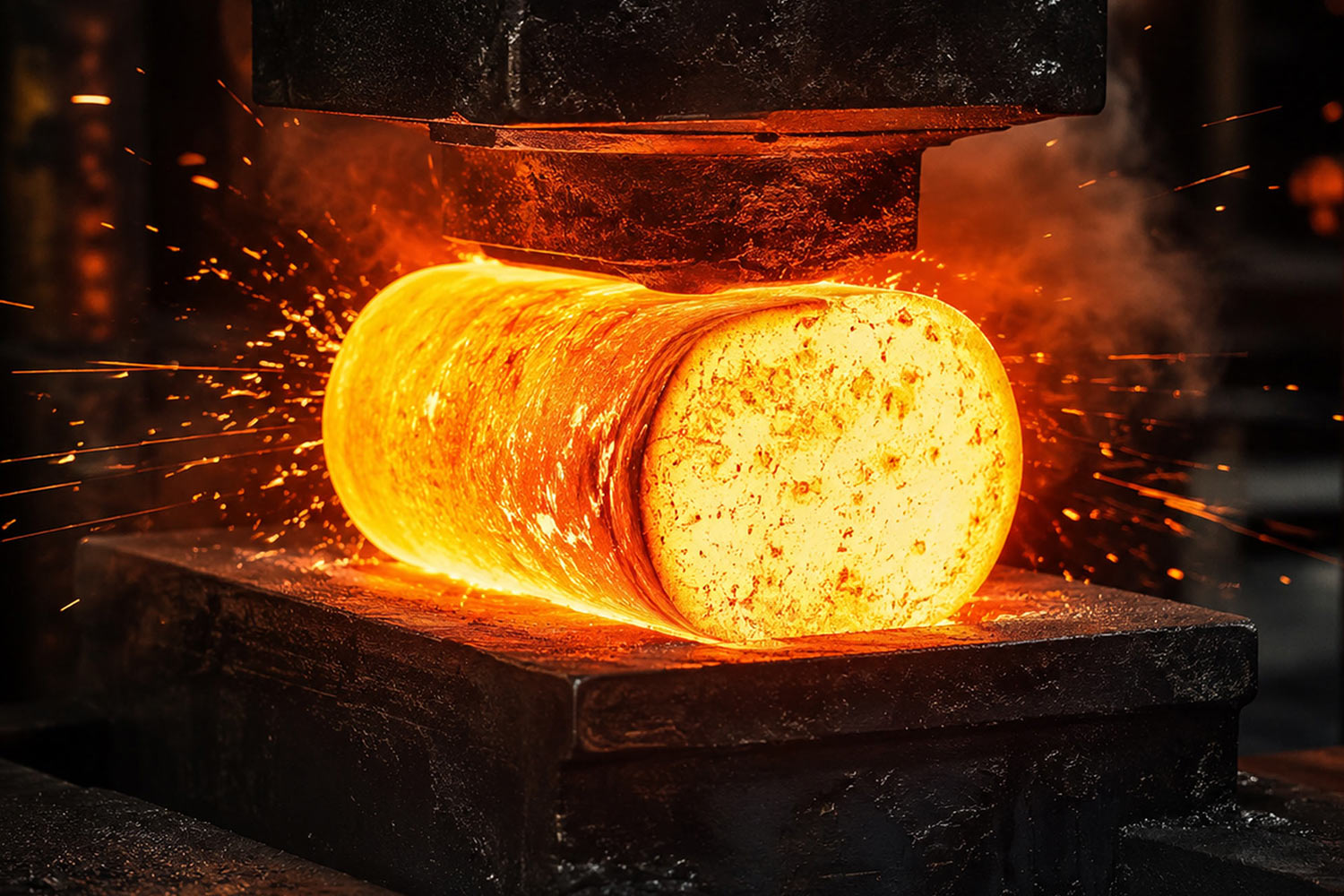
A forged wheel is manufactured from a solid piece of aluminum billet that is heated and compressed under extreme pressure. Unlike a cast wheel, which is made by pouring molten aluminum into a mold, a forged wheel is formed while the aluminum remains solid.
This process changes the internal grain structure of the aluminum, creating a denser, stronger, and more uniform material. That improved material structure is what allows forged wheels to be lighter and stronger than many comparable cast wheels.
Why Did Forged Wheel Manufacturing Start?
Forged wheel manufacturing was developed for industries and applications that needed stronger, lighter, and more reliable components than traditional casting could easily provide.
As motorsports, aerospace, military vehicles, and high-performance off-road applications advanced, engineers needed wheels that could withstand repeated impacts, high loads, and extreme fatigue cycles while keeping weight to a minimum.
Forging solved this problem by improving the aluminum itself. Instead of relying solely on added material for strength, forging produces a stronger grain structure, allowing engineers to reduce unnecessary weight while maintaining structural integrity.

1. Billet Preparation
Forged wheels typically start with a solid billet of high-quality aluminum alloy. The billet is larger and heavier than the final wheel because much of the material will later be removed during machining.
2. Heating the Billet
The billet is heated to make the aluminum easier to form. The aluminum is not melted during this process. It remains solid, which is critical to preserving and improving the material’s internal grain structure.
3. Forging Under Extreme Pressure
The heated billet is placed into a forging press and compressed with thousands of tons of force. This pressure forms the aluminum into a rough wheel blank while aligning the metal's internal grain flow.
4. Shaping
After the heated billet has been compressed under thousands of tons of force, it is transferred through one or more forging dies that progressively form it into the basic wheel blank. This process creates the barrel, hub area, and rough profile while forcing the aluminum's grain structure to conform to the wheel's geometry. Unlike casting, where molten aluminum solidifies with a random grain structure, forging aligns the metal's grain flow, significantly improving strength, impact resistance, and fatigue life. At this stage, the part is intentionally oversized, leaving extra material for precision CNC machining later.
5. Heat Treatment
After forging, the wheel blank is heat-treated to achieve the desired strength, hardness, and durability. Many premium forged wheels undergo a T6 heat treatment.
6. CNC Machining
The forged blank is then machined into the final wheel design. CNC machining creates the spokes, windows, hub pad, lug holes, valve stem hole, bead seat, and detailed styling features.
7. Drilling
Once CNC machining has established the wheel's final profile, secondary machining operations create the functional mounting features. Precision machining centers drill the lug holes, machine the center bore, create the valve stem hole, and, if applicable, drill and thread the beadlock ring bolt holes. These features are machined to extremely tight tolerances to ensure proper hub-centric fitment, accurate bolt circle dimensions, and reliable wheel installation.
8-9. Finishing & Coating
After machining, the wheel receives its final finish. Common forged wheel finishes include powder coating, paint, clear coat, anodizing, machined accents, or a combination of these processes.
Why Are Forged Wheels Stronger Than Cast Wheels?
The main difference between a forged wheel and a cast wheel lies in the aluminum's internal structure.
Cast wheels are made by pouring molten aluminum into a mold. As the aluminum cools, the grain structure forms in a more random pattern. Modern low-pressure cast wheels can be very strong, but the casting process can still introduce microscopic porosity and a less uniform grain structure than forging.

Forged wheels are compressed from solid aluminum under extreme force. This process reduces internal voids, increases material density, and aligns the aluminum grain structure. The result is a wheel with improved strength, impact resistance, and fatigue life.

Structural Benefits of Forged Wheels
- Higher strength-to-weight ratio
- Improved impact resistance
- Better fatigue resistance under repeated loading
- Reduced porosity compared to cast construction
- More predictable structural performance
- Greater material density
- Ability to remove excess weight without sacrificing strength
- Improved stiffness for demanding off-road and performance use
Forged Wheel Weight Savings Compared to Cast Wheels
One of the biggest advantages of a forged wheel is reduced weight. Exact weight savings depend on wheel size, load rating, spoke design, beadlock construction, and intended vehicle application.
For a typical 15-inch UTV wheel, approximate weights often fall into these ranges:
| Wheel Type | Typical 15-Inch Wheel Weight |
|---|---|
| Low-pressure cast wheel | 16–20 lbs |
| Flow-formed wheel | 14–19 lbs |
| Forged wheel | 13–17 lbs |
In many cases, upgrading from a 15-inch cast wheel to a comparable 15-inch forged wheel can save approximately 2–5 pounds per wheel. Across a full set of four wheels, this can equal 8–20 pounds of unsprung weight reduction.
Why Unsprung Weight Matters
Unsprung weight includes components that are not supported by the suspension springs, such as wheels, tires, hubs, brake components, and portions of the axle assembly.
Reducing unsprung weight can help the suspension respond faster to bumps, rocks, ruts, and changes in terrain. For UTVs and off-road vehicles, this can improve ride quality, traction, steering response, braking performance, and overall vehicle control.
When Does It Make Sense to Upgrade to Forged Wheels?
Forged wheels make the most sense when strength, weight savings, and performance are high priorities.
A forged wheel upgrade is worth considering for:
- Desert racing
- Rock crawling/hopping
- High-speed trail riding
- Turbocharged or high-horsepower UTVs
- Vehicles carrying additional accessories or payload
- Drivers who want maximum strength with reduced weight
When Is a Cast Wheel Still the Better Choice?
A forged wheel is not necessary for every driver. Modern low-pressure cast wheels offer excellent strength, durability, styling, and value for most recreational users.
Cast wheels are still a great choice for:
- Weekend trail riding
- General recreational off-roading
- Farm and ranch use
- Hunting vehicles
- Utility UTVs
- Budget-conscious builds
- Drivers who want reliable performance at a lower cost
Cast vs. Forged Wheels: Quick Comparison
| Feature | Cast Wheel | Forged Wheel |
|---|---|---|
| Manufacturing Process | Molten aluminum poured into a mold | Solid aluminum billet compressed under extreme pressure |
| Grain Structure | More random | Aligned and compressed |
| Weight | Typically heavier | Typically lighter |
| Strength | Very good | Exceptional |
| Fatigue Resistance | Good to very good | Excellent |
| Cost | Lower | Higher |
| Best For | Recreational use and general off-roading | Racing, high-performance, and demanding off-road use |
Things to Consider Before Choosing Cast or Forged
Driving Style. If you frequently drive aggressively, hit rough terrain at speed, or subject your vehicle to repeated impacts, forged wheels may be worth the investment.
Vehicle Weight. Heavier UTVs, overland vehicles, and fully loaded builds place more stress on wheels. Forged construction can provide additional strength while helping reduce total rotating mass.
Budget. Forged wheels are more expensive due to the billet material, forging equipment, CNC machining time, and the finishing processes involved. If budget is the main priority, a quality cast wheel may be the smarter choice.
Performance Goals. If you are trying to improve suspension response, reduce unsprung weight, or build a race-level vehicle, forged wheels offer clear advantages.
Intended Use. For casual recreational riding, cast wheels are often more than capable. For racing, hard impacts, and demanding terrain, forged wheels provide a higher performance ceiling.
Final Thoughts: Are Forged Wheels Worth It?
Forged wheels are among the strongest and most advanced forms of aluminum wheel manufacturing. By compressing a solid billet of aluminum under extreme pressure, the forging process creates a stronger, denser, and more fatigue-resistant wheel structure.
Compared to cast wheels, forged wheels typically offer improved strength, reduced weight, better impact resistance, and superior performance in demanding applications. For racing, aggressive off-road driving, heavy builds, or performance-focused UTVs, upgrading to forged wheels can be a smart investment.
That said, cast wheels still have an important place. A well-engineered cast wheel delivers excellent value, durability, and performance for most recreational users.
The best choice comes down to how you drive, where you drive, how much weight matters, and how much strength your build truly requires.
Frequently Asked Questions About Forged Wheels
Are forged wheels stronger than cast wheels?
Yes. Forged wheels are generally stronger than cast wheels because the forging process compresses and aligns the aluminum grain structure, improving density, strength, and fatigue resistance.
Are forged wheels lighter than cast wheels?
In most comparable applications, yes. A 15-inch forged wheel typically saves 2–5 pounds per wheel compared to a similar cast wheel.
Are forged wheels worth it for UTVs?
Forged wheels are worth considering for racing, aggressive off-road driving, high-horsepower UTVs, heavy builds, and drivers who want maximum strength with reduced unsprung weight.
Do cast wheels still perform well?
Yes. High-quality low-pressure cast wheels are strong, reliable, and cost-effective for most recreational off-road and UTV applications.
What is the main disadvantage of forged wheels?
The main disadvantage is cost. Forged wheels require more expensive materials, specialized equipment, longer machining times, and more complex manufacturing processes.