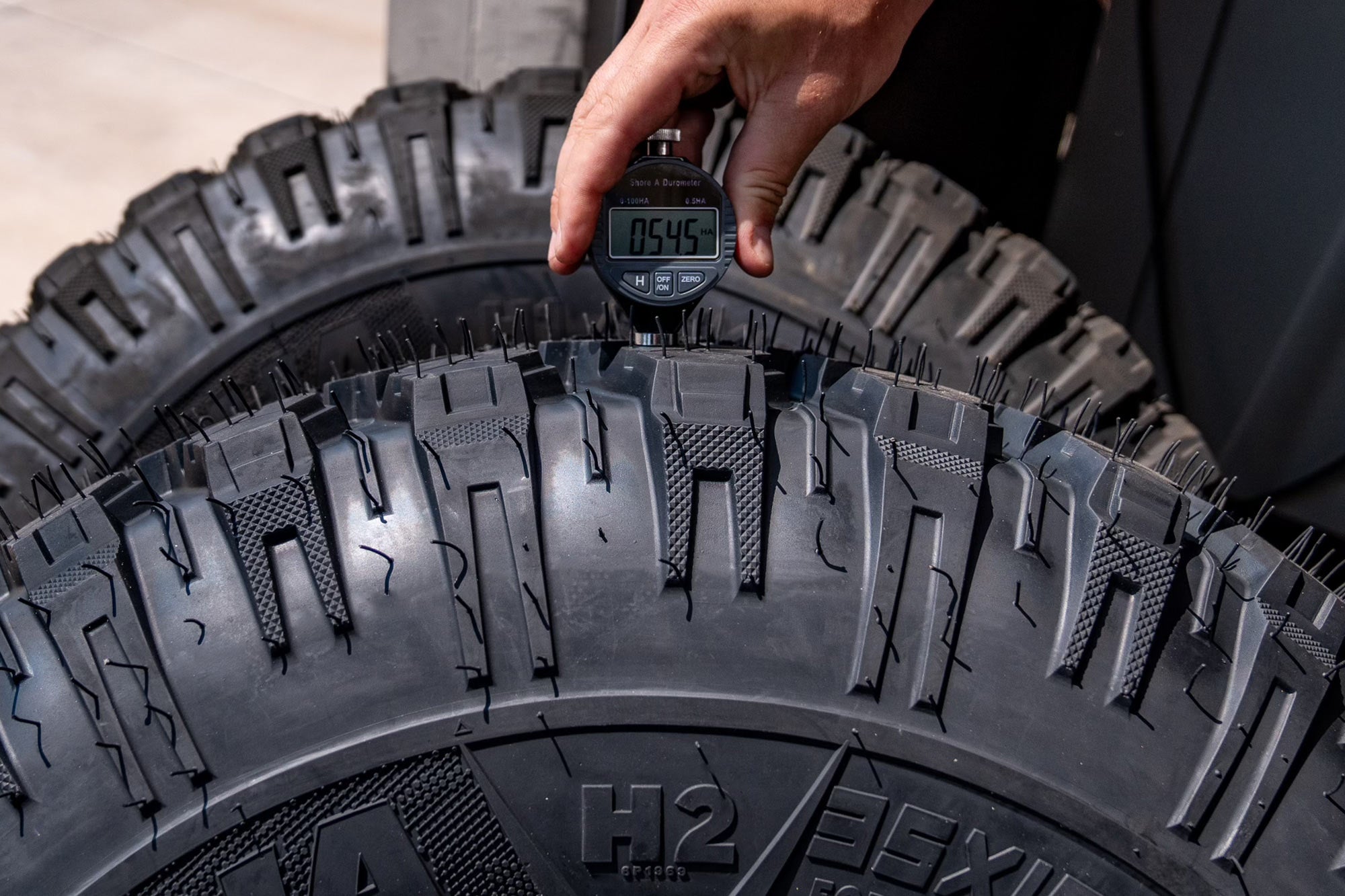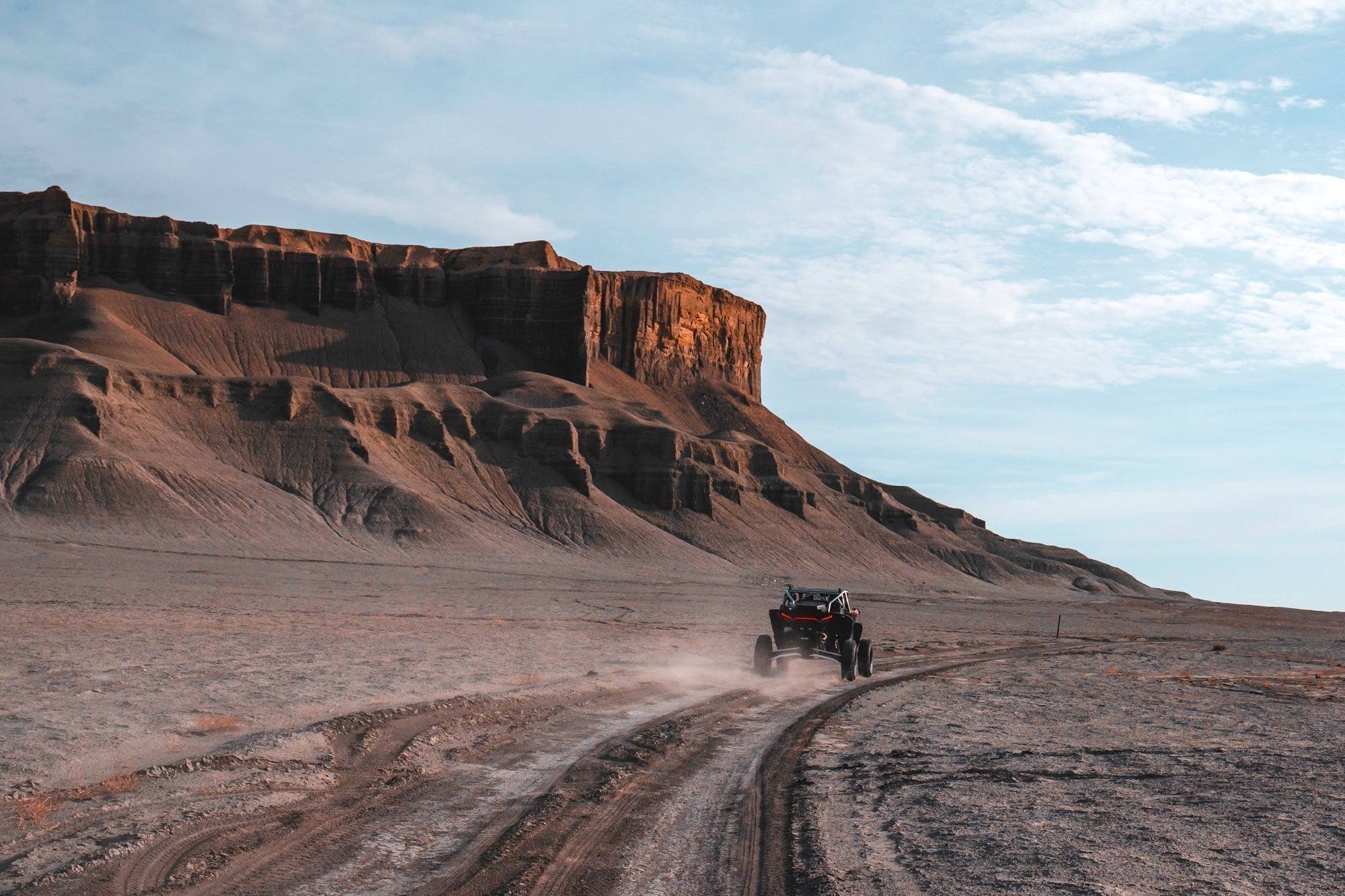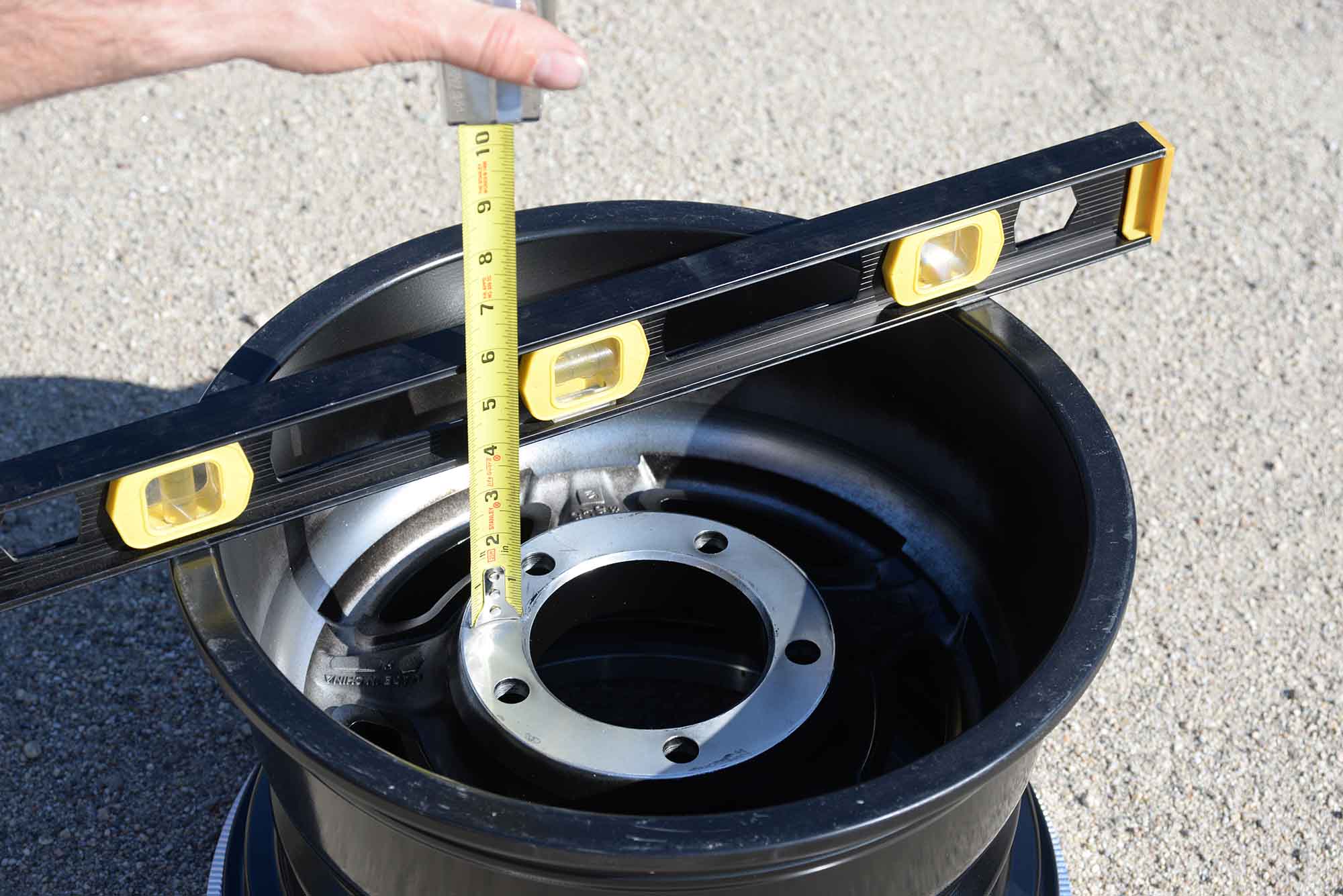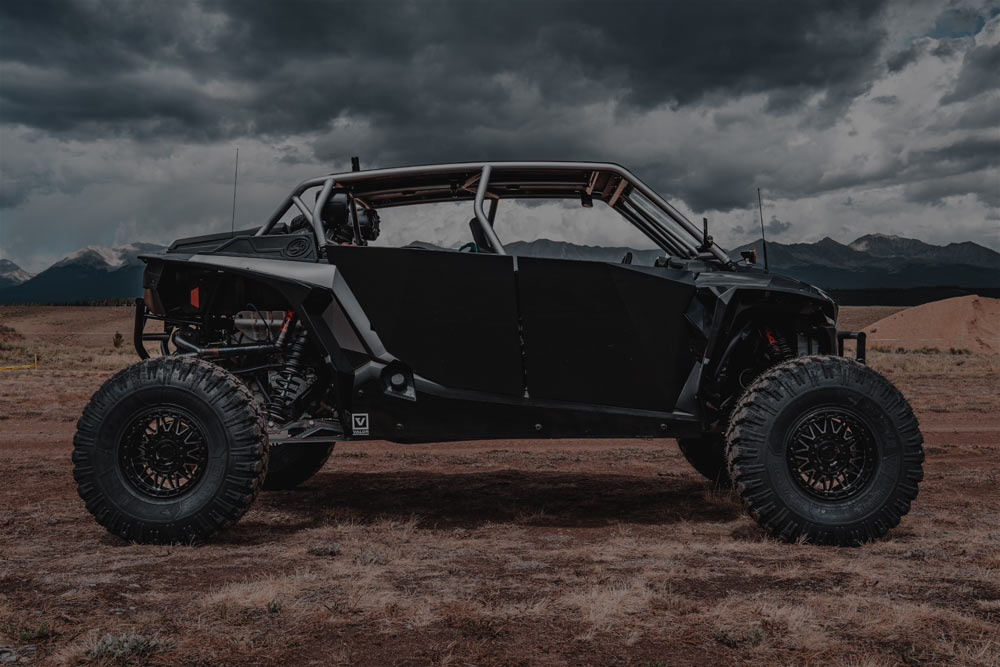
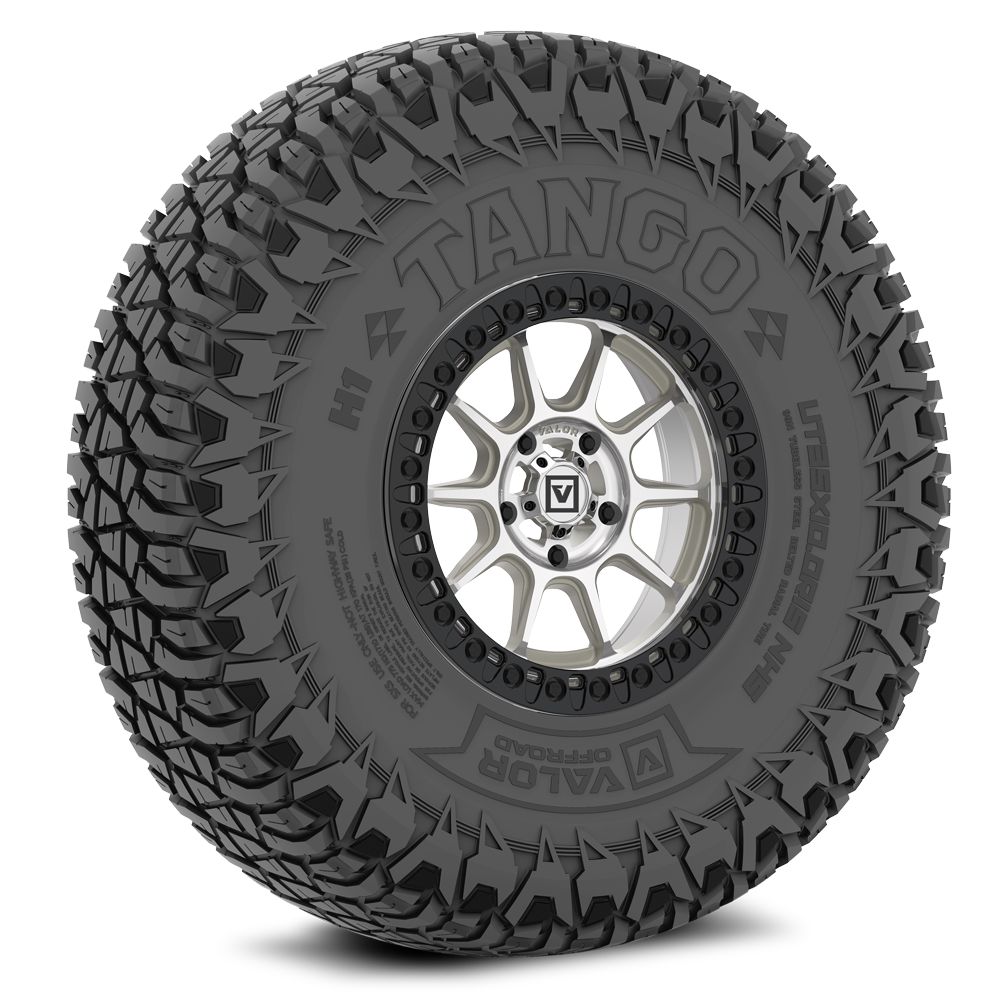



When you shop for UTV or ATV tires, one of the first things you’ll notice is the “ply count.” Tires are often labeled as 4-ply, 6-ply, 8-ply, 10-ply, or even higher. It might seem straightforward—more plies should mean more layers, more strength, and a better tire.
That was true in the past, but today it’s a bit more complicated.
Today, a tire’s ply rating doesn’t always mean it has that exact number of layers inside. Instead, it’s a way to show how strong the tire is. Ply rating tells you how tough the tire is, how much weight it can carry, and how much rough use it can handle. This matters for UTV and ATV riders because tires do more than just hold up the vehicle—they also take on rocks, roots, ruts, mud, fast desert runs, sidewall hits, sharp turns, and low-pressure trail riding.
Today, a tire’s ply rating doesn’t always mean it has that exact number of layers inside. Instead, it’s a way to show how strong the tire is. Ply rating tells you how tough the tire is, how much weight it can carry, and how much rough use it can handle. This matters for UTV and ATV riders because tires do more than just hold up the vehicle—they also take on rocks, roots, ruts, mud, fast desert runs, sidewall hits, sharp turns, and low-pressure trail riding.
What Ply Count Originally Meant
In early tire manufacturing, ply count referred to the actual number of fabric layers built into the tire carcass. These layers, or plies, were commonly made from cotton, rayon, polyester, or nylon cord. Adding more plies increased the tire’s strength because each additional layer helped carry load, resist punctures, and contain air pressure. A 6-ply tire literally had more reinforcing layers than a 4-ply tire. An 8-ply tire had more structure again. In that older system, counting plies was a direct way to describe tire strength.
As tire materials got better, that direct link changed. Stronger synthetic cords, better rubber, radial construction, improved bead designs, and reinforced belts let manufacturers make stronger tires without just adding more fabric layers. That’s why today’s ply rating is really about “ply-rated strength,” not the actual number of layers inside.
As tire materials got better, that direct link changed. Stronger synthetic cords, better rubber, radial construction, improved bead designs, and reinforced belts let manufacturers make stronger tires without just adding more fabric layers. That’s why today’s ply rating is really about “ply-rated strength,” not the actual number of layers inside.
Modern Ply Rating: Strength, Weight, and Load Capacity
A tire labeled “8-ply” today might not actually have eight layers. Instead, it means the tire is as strong as an old 8-ply tire would have been.
In practical terms, ply rating relates to:
- Load capacity
- Sidewall strength
- Puncture resistance
- Casing stiffness
- Impact durability
- Heat management
- Ride quality
- Overall tire weight
That’s why two 8-ply UTV tires can feel very different when you ride. One might be a flexible nylon radial for general trail use, while another could be a heavier steel-belted tire for high-speed desert use, rocks, and hard surfaces. Both have an 8-ply rating, but their construction and purpose can differ significantly.
Why 8-Ply Became the UTV Standard
Most UTV tires today use 8-ply construction because modern side-by-sides are heavier, faster, and more powerful than older ATVs and utility vehicles.
A modern sport UTV can carry several passengers, tools, spare parts, coolers, camping gear, custom cages, audio systems, extra tires, winches, and bigger wheels. With more power, longer suspension, higher speeds, and rougher terrain, the tires have to handle much more than just rolling down a trail.
An 8-ply UTV tire offers a good balance for both manufacturers and riders. It’s stronger than a 4-ply or 6-ply ATV tire, but not as heavy or stiff as a 10-ply or specialty tire. That’s why 8-ply tires are common for all-terrain, hardpack, desert, rock, and performance UTVs.
For most recreational and performance UTV riders, 8-ply tires give the best mix of durability, weight, comfort, and traction.
An 8-ply UTV tire offers a good balance for both manufacturers and riders. It’s stronger than a 4-ply or 6-ply ATV tire, but not as heavy or stiff as a 10-ply or specialty tire. That’s why 8-ply tires are common for all-terrain, hardpack, desert, rock, and performance UTVs.
For most recreational and performance UTV riders, 8-ply tires give the best mix of durability, weight, comfort, and traction.
ATV Tires vs. UTV Tires
ATVs are usually lighter than UTVs, so they don’t need as much casing strength. Many ATV tires are still 4-ply or 6-ply, especially for utility work, trail riding, mud, and general fun.
UTVs, on the other hand, put more stress on their tires. They’re heavier, carry more weight, corner harder, and often go faster. That’s why UTV tires are usually 8-ply or 10-ply, especially in radial styles.
A lighter ATV can use a softer, lighter tire for better comfort and flotation. A heavier UTV needs stronger tires to avoid sidewall damage, tread punctures, bead problems, and excessive flex under load.
UTVs, on the other hand, put more stress on their tires. They’re heavier, carry more weight, corner harder, and often go faster. That’s why UTV tires are usually 8-ply or 10-ply, especially in radial styles.
A lighter ATV can use a softer, lighter tire for better comfort and flotation. A heavier UTV needs stronger tires to avoid sidewall damage, tread punctures, bead problems, and excessive flex under load.
Nylon Construction in UTV and ATV Tires
Nylon is a common material in UTV and ATV tires. Nylon layers are popular because they make the tire strong but still flexible.
Flexibility matters off-road. A tire that can shape itself to the ground usually grips better on rocks, roots, ruts, and rough trails. Nylon also keeps the tire lighter, which improves acceleration, braking, steering, and suspension performance.
Flexibility matters off-road. A tire that can shape itself to the ground usually grips better on rocks, roots, ruts, and rough trails. Nylon also keeps the tire lighter, which improves acceleration, braking, steering, and suspension performance.
Nylon-based UTV and ATV tires are often a good choice for:
- Trail riding
- Mixed terrain
- Woods riding
- Rocks and roots at moderate speeds
- Mud and soft terrain
- Recreational riding
- Lower-speed technical crawling
- Riders who want comfort and compliance
An 8-ply nylon tire is great if you want durability without your machine feeling rough or slow. It can absorb bumps instead of sending every hit straight to the frame. Steel-belted UTV tires have steel layers beneath the tread to enhance stability, resist punctures, and maintain casing integrity. This design is especially helpful at high speeds and in rough conditions, improving straight-line stability and protecting the tread area from sharp impacts. That makes steel-belted tires popular for aggressive UTV driving, desert terrain, hardpack, gravel, rocky trails, and racing-inspired applications.
Steel-belted UTV tires are often suggested for:
- High-speed desert riding
- Hardpack terrain
- Sharp rock and shale
- Gravel roads
- Loaded UTVs
- Aggressive cornering
- Performance side-by-sides
- Riders who prioritize stability and puncture resistance
The downside is that steel-belted tires are heavier and stiffer. They can feel firmer than nylon tires, might not shape to the ground as well at low speeds (rock crawling), and add weight. For powerful UTVs, this is often a good trade. For lighter trail machines, nylon tires usually feel more responsive and comfortable.
Nylon vs. Steel-Belted: Which Is Better?
Neither type is always better. The best choice depends on your machine, the terrain, how fast you go, and how you ride.
Choose nylon-focused construction when you want a lighter, more compliant tire that works well in technical terrain, mixed trails, woods, mud, and recreational riding. Nylon is often the better choice when comfort, flex, and traction over uneven terrain are the priority.
Choose steel-belted construction for maximum tread-area durability, high-speed stability, and sharper handling on hard surfaces. Steel-belted tires are especially useful when riding fast in the desert, hardpack, rock, gravel, and aggressive UTV environments.
Choose nylon-focused construction when you want a lighter, more compliant tire that works well in technical terrain, mixed trails, woods, mud, and recreational riding. Nylon is often the better choice when comfort, flex, and traction over uneven terrain are the priority.
Choose steel-belted construction for maximum tread-area durability, high-speed stability, and sharper handling on hard surfaces. Steel-belted tires are especially useful when riding fast in the desert, hardpack, rock, gravel, and aggressive UTV environments.
As a simple rule: nylon is usually better for comfort and flexibility, while steel-belted tires are better for stability and handling impacts.
Does More Ply Always Mean Better?
No, a higher ply rating doesn’t always mean a better tire.
A higher ply rating often means a stronger tire, but it can also make the tire heavier, stiffer, less comfortable, and worse on soft ground. Heavy tires can slow you down, make braking harder, steering heavier, and put more strain on your suspension and drivetrain.
For example, a 10-ply tire might be ideal for a heavy, powerful UTV going fast in the desert. But on a lighter ATV used in the woods or mud, that same tire could feel too stiff. possible. The goal is to match tire construction to the way the machine is actually used.
Why Ply Rating Matters Off-Road
For UTV and ATV tires, ply rating affects more than just how tough the tire is. It also changes how your vehicle feels on the trail. A stronger tire casing can help with stability in turns, reduce sidewall flex, resist punctures, and carry more weight. A more flexible casing can give you better traction, comfort, and grip on uneven ground. The best tire is the one that balances these features for your terrain.
If you ride on sharp rocks, in the desert, or at high speeds, stronger ply ratings and steel-belted tires are a good choice. For trail riding, mud, roots, and technical terrain, a good 6- or 8-ply nylon tire can offer better comfort and grip.
If you ride on sharp rocks, in the desert, or at high speeds, stronger ply ratings and steel-belted tires are a good choice. For trail riding, mud, roots, and technical terrain, a good 6- or 8-ply nylon tire can offer better comfort and grip.
Final Takeaway
Ply count still matters, but not in the old way. For modern UTV and ATV tires, ply rating shows strength, not the exact number of layers inside. Most UTV tires are 8-ply because that’s the best balance—strong enough for today’s heavier, faster machines, but not so heavy or stiff that it hurts ride quality. Nylon tires offer flexibility, reduced weight, and comfort. Steel-belted tires give you stability, puncture resistance, and confidence at higher speeds.
When picking UTV or ATV tires, don’t just focus on ply rating. Check the whole construction—radial or bias, nylon or steel-belted, tread pattern, sidewall strength, weight, load rating, and what terrain it’s made for. The best tire isn’t just the toughest one on paper. It’s the one built for how you ride.
When picking UTV or ATV tires, don’t just focus on ply rating. Check the whole construction—radial or bias, nylon or steel-belted, tread pattern, sidewall strength, weight, load rating, and what terrain it’s made for. The best tire isn’t just the toughest one on paper. It’s the one built for how you ride.