

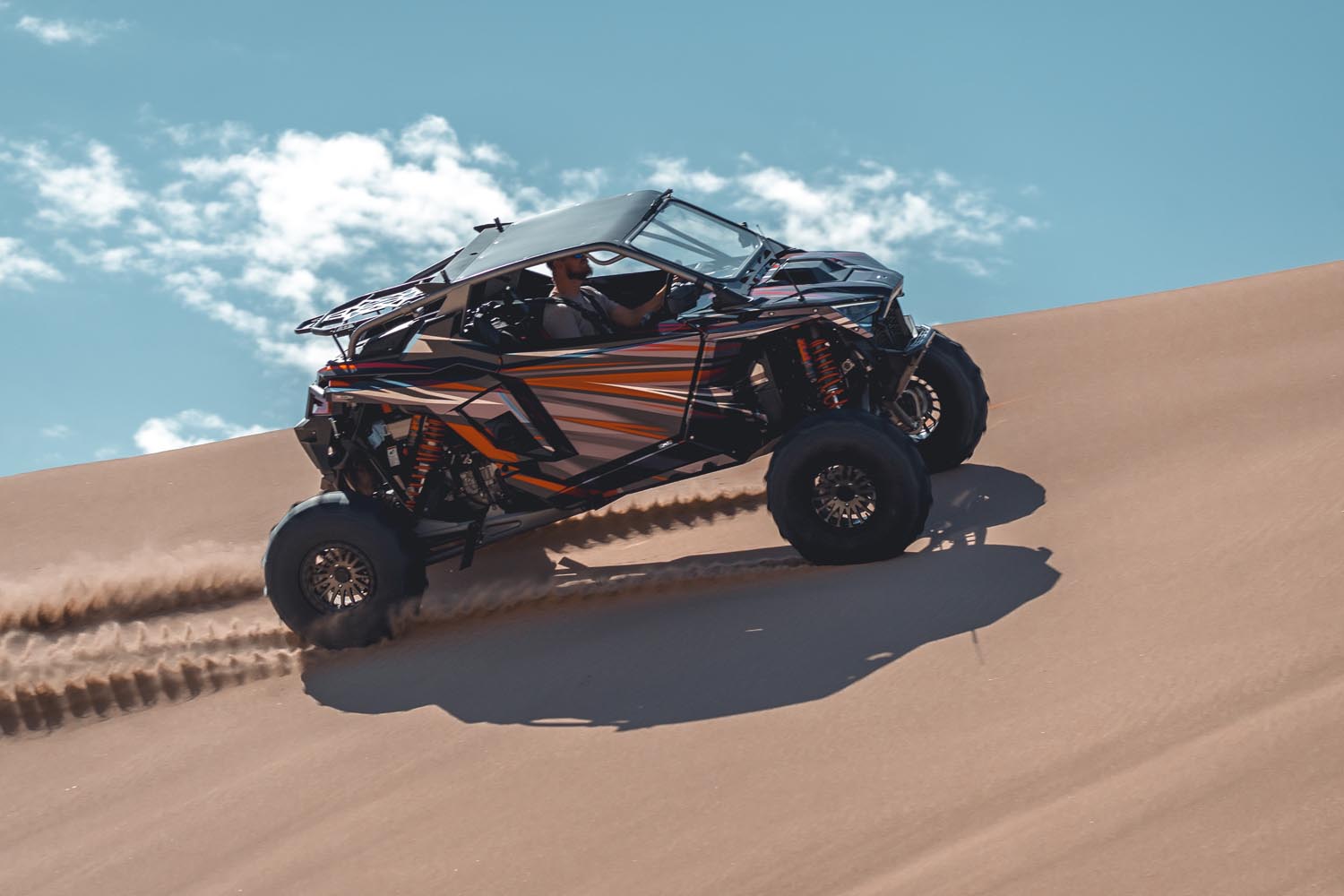
Sand season is always just around the corner. Do you plan on heading to the dunes? You bet we are! We get asked a lot whether beadlock UTV wheels are a required upgrade or just a novelty for folks with more money than sense. If you want some dune time soon, you'll want to read this post. Want the quick answer? Skip to the bottom.

First things first, let's address the elephant in the room. Even if you plan to get to the dunes, is your UTV actually set up to enjoy them? Do you have enough horsepower? Do you know how to air down or up appropriately? Do you own paddles and buffs? What is a buff? We'll answer all of these below, so stick around.
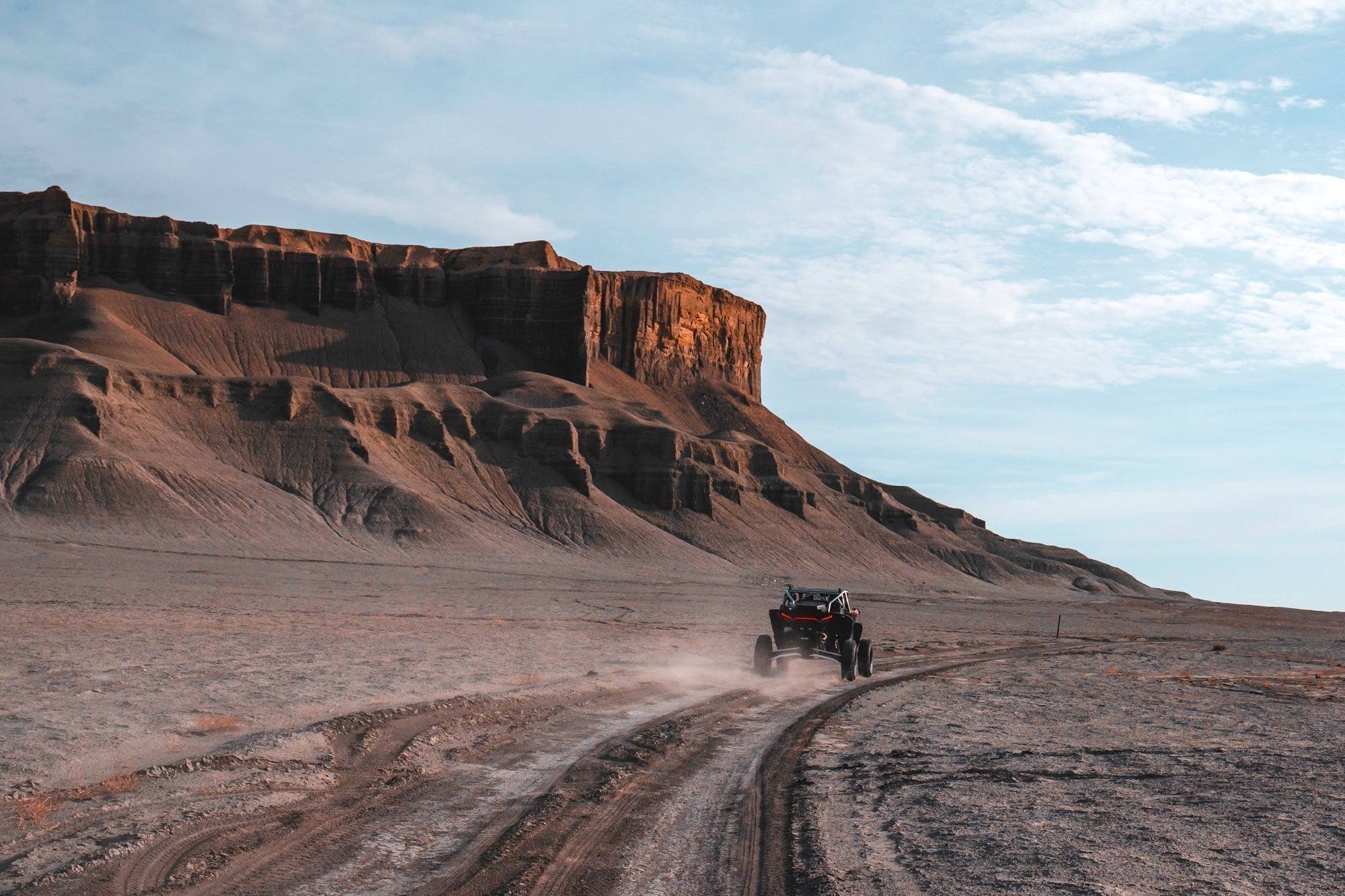
So what exactly is the allure of hitting the sand dunes? If you've never mashed your pedal and hit a berm in the wide open playground of our nation's dunes, you're missing out. There is nothing like floating above the sand at high speeds. However, riding in the sand is taxing on your UTV and can quickly turn a great day into a bad one if you aren't paying attention. The soft sand forces engines to work harder to keep the vehicle moving, and the uneven terrain makes the suspension work extra hard to keep up.

Before you head out
- Change the oil
- Clean or replace your air filter
- Inspect the CVT belt, coolants, and suspension
- Invest in quality sand tires
- Get a highly visible whip or safety flag
- UTV Gear List
What are Sand Tires?
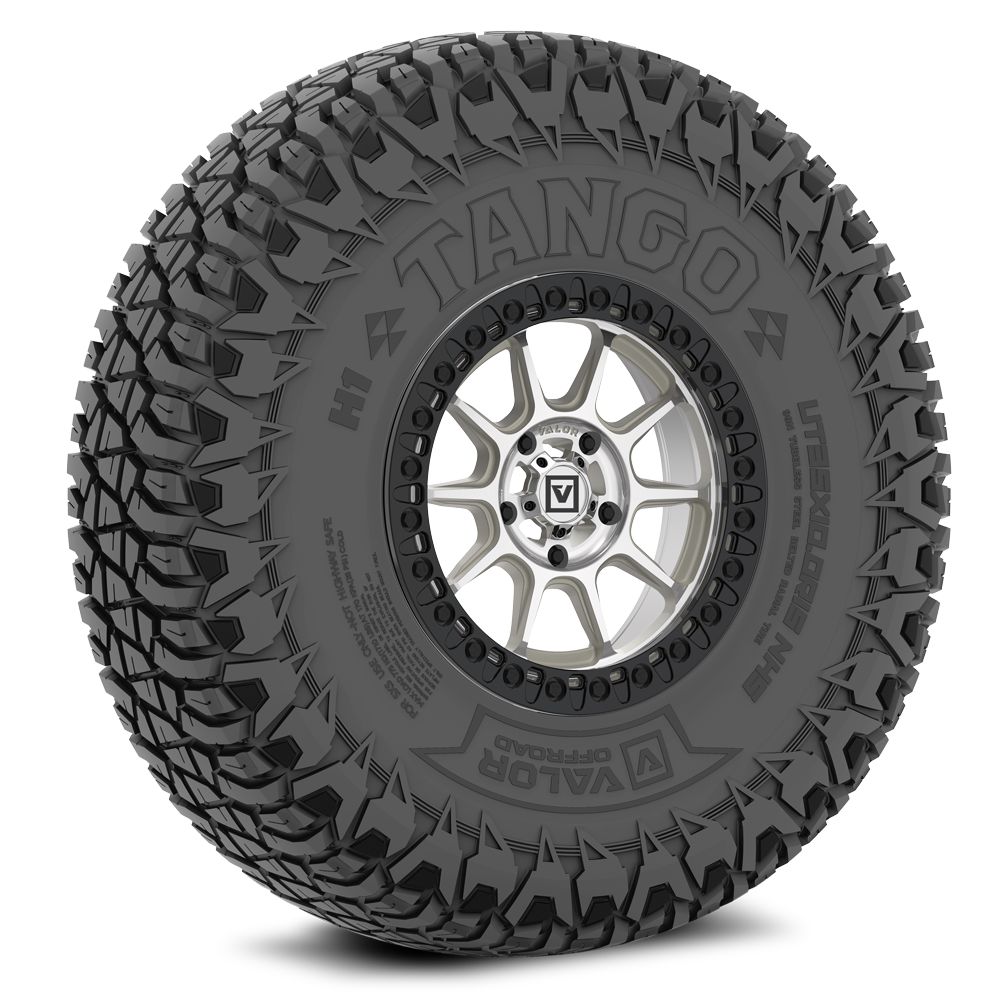
No, your worn-down all-terrain UTV tires aren't the same as sand tires, and YES, you need actual sand tires to enjoy yourself in the dunes. Sand tires, especially the rear paddles, give you better acceleration and greater traction, which translates to quicker float and higher speeds. Think of your front sand tires as steering and the rear sand paddles for acceleration.
What is the best UTV sand tire?
Unfortunately, this is a tricky question to answer, but in short, it depends.
- What style of driver are you? Fast, punchy, and always taking the hardest line? Or are you more of a slow roller who likes to take breaks and enjoy the scenery? Know what kind of driver you are before you invest in sand tires.
- What kind of machine do you have? Older, lower-CC machines need drastically different setups than modern, high-CC machines.
- Where are you riding? The sand can vary from powdered sugar to coarse. Make sure you consider the substrate. Is it loose and light, heavy and coarse, or wet or dry?
Buffed vs. Molded Sand Tires
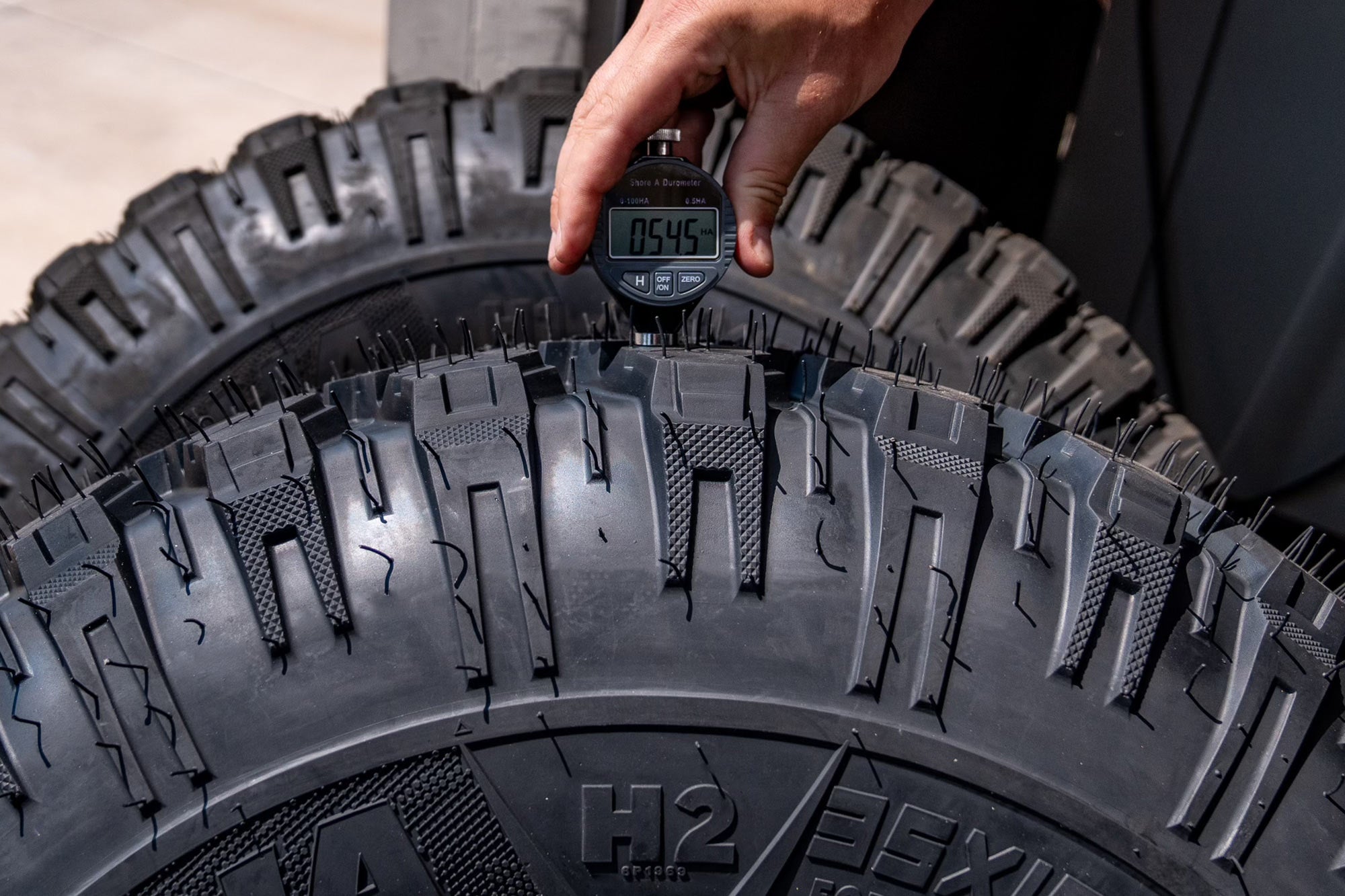
Molded sand tires follow traditional UTV tire construction, with a smooth, semi-glossy surface and satin finish. Although much lighter than standard all-terrain tires, molded sand tires are still the heaviest option for sand, where every ounce matters. Molded tires usually have tread built into the mold, making them better in corners. Because they are made like other UTV tires, molded sand tires are typically more affordable than buffed ones.
Buffed sand tires. All buffed sand tires start out as basic molded tires but undergo a very special process called buffing to remove as much material from the tire as possible. This buffing process sheds tons of weight while also improving overall float, but provides the surface of the tire with a textured surface for better grip in straightaways. The extra buffing step, although beneficial, tacks on some serious cost and can make higher end models cost double what a basic molded tire costs.
Paddle Sand Tires
How many paddles do I need? Paddles come in a variety of counts: 8, 10, 12, even 14 or more. The right number depends on your machine's power. Newer machines with turbos over 1000 need more paddles, while lower CC machines need fewer.
Just because there are paddles with high counts does not mean you need them. You have to find a balance between too few and too many to ensure that when starting from a stop in sand, you do not dig yourself a hole instead of moving forward. Paddles dig, so consider how much digging you want versus how much acceleration you need to get on top of the sand from a stop.
Although the perfect tire exists for your setup, the options are too vast to list here. We recommend calling a local shop near where you plan to ride and asking what they recommend. They are the experts.

Best UTV Wheels for Sand Dunes
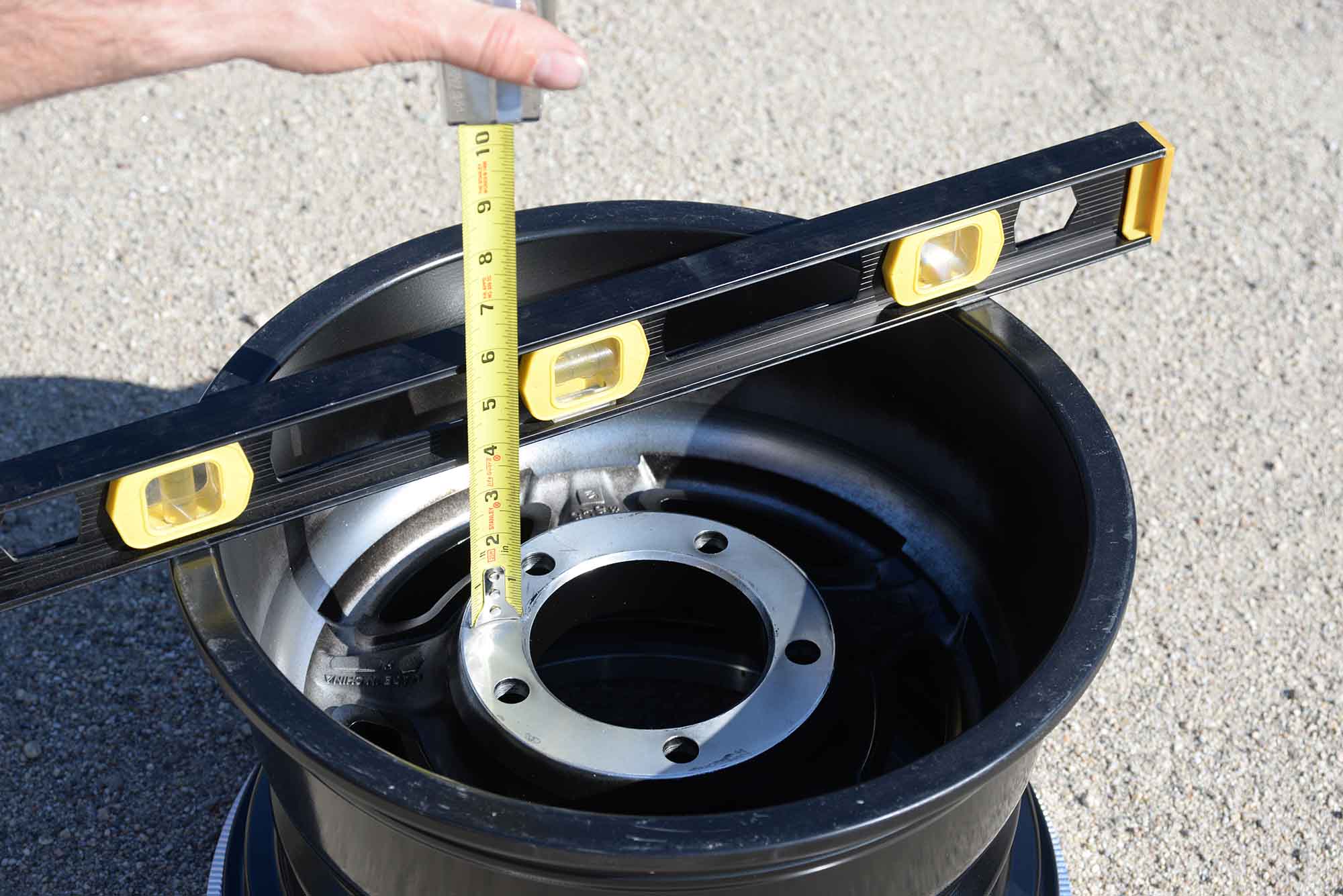
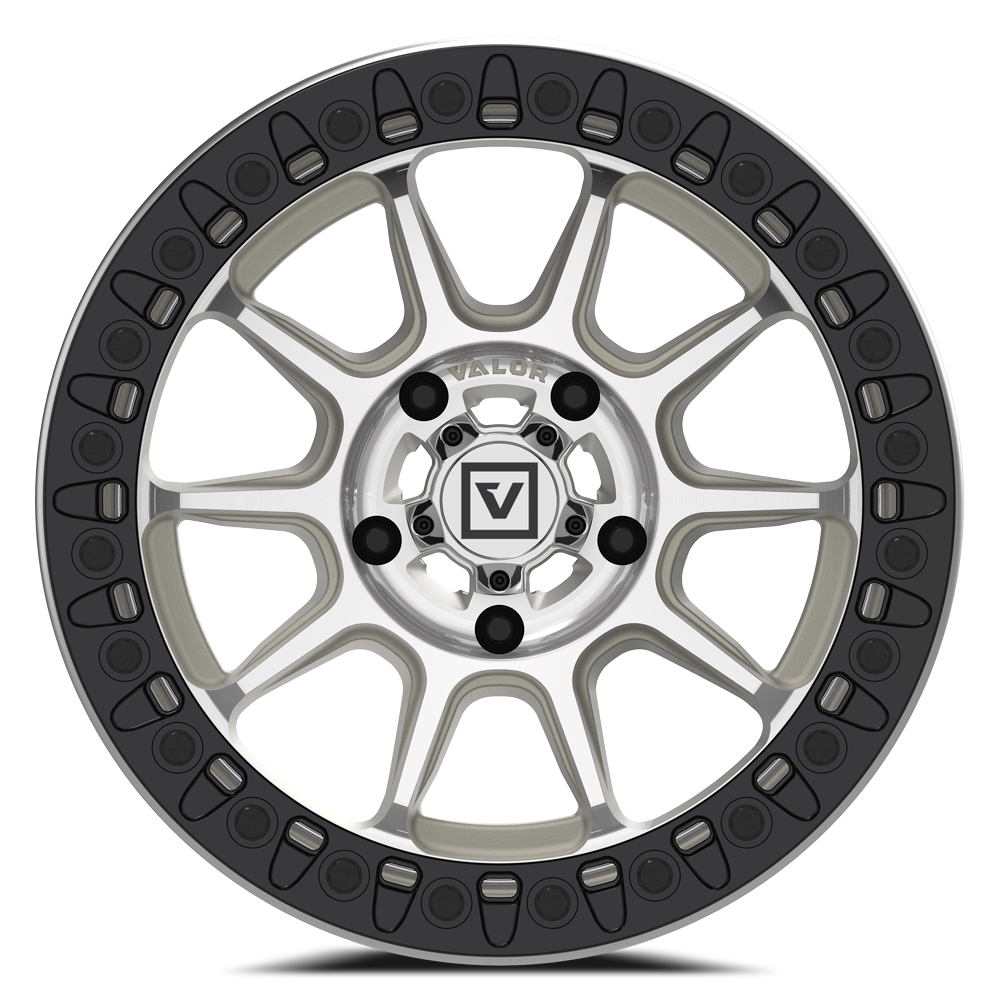
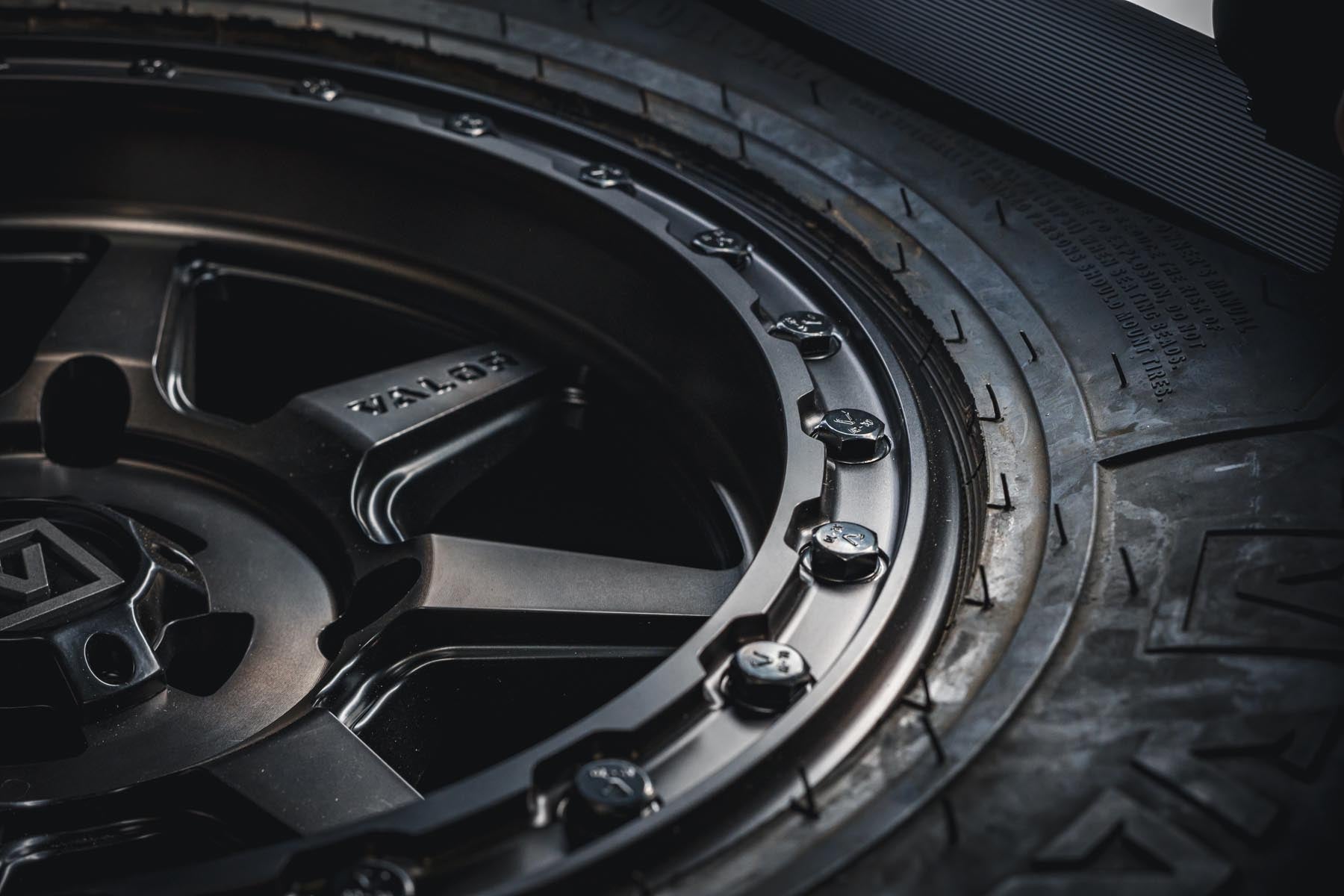
The first thing you do when you unload your UTV for dune riding is drop your air pressure—a lot. Most people recommend 3-5 psi, which is much lower than the usual 12-15 psi for trail riding. Running 3-5 psi expands the tire footprint, improving how much of your tire contacts the sand. More contact means more traction to propel you forward. Dropping your PSI opens up a new issue: will you pop a tire bead? Quick solution: get beadlock UTV wheels. But do you need them?
Do I need beadlock UTV wheels for sand?
The quick answer is no. Most drivers and their UTVs do not push the limits enough to need a beadlock. People have been living the desert rat life for decades, riding all sorts of contraptions in the sand. While basic UTVs may or may not have beadlock wheels, sand rails always have them. Consider your machine's CCs and your driving style before deciding on beadlock wheels. Not everyone needs beadlock UTV wheels, no matter what your local forum or social media influencer says.
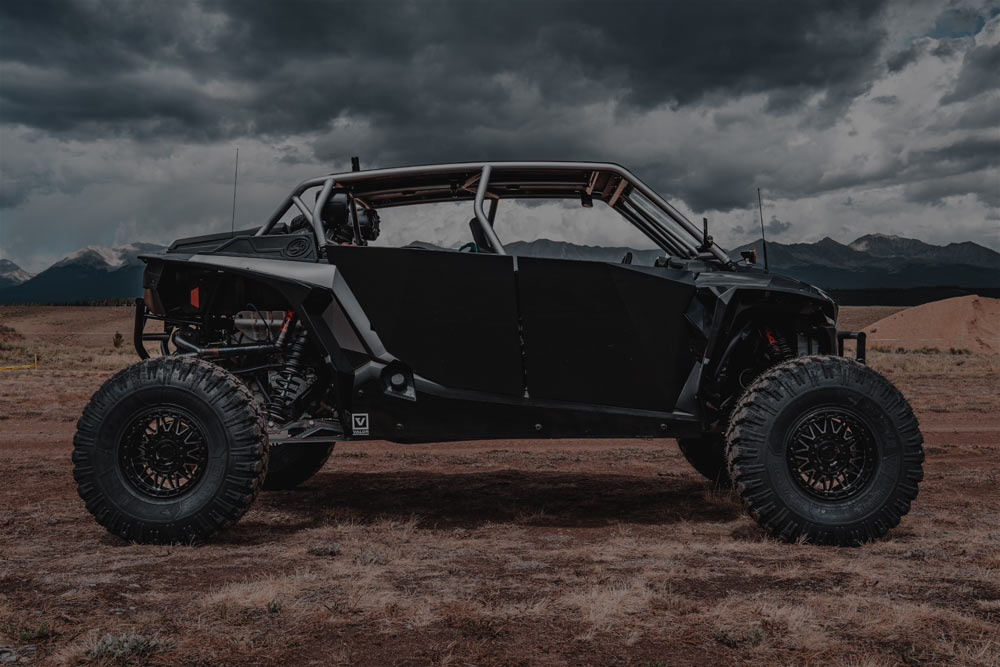
As you move up the food chain to more modern UTVs like the Polaris RZR Pro R and Can-AM Maverick R, you will 100% need beadlock UTV wheels. The lateral pressure of the sand pushing against your tire and incredibly high speeds will inevitably force a tire bead to pop.