


What is the difference between a solid rear axle (SRA) and an independent rear suspension (IRS)? Pros and cons? Which one is right for me? Let's dig into the long-debated topic of which one is best, SRA vs. IRS.
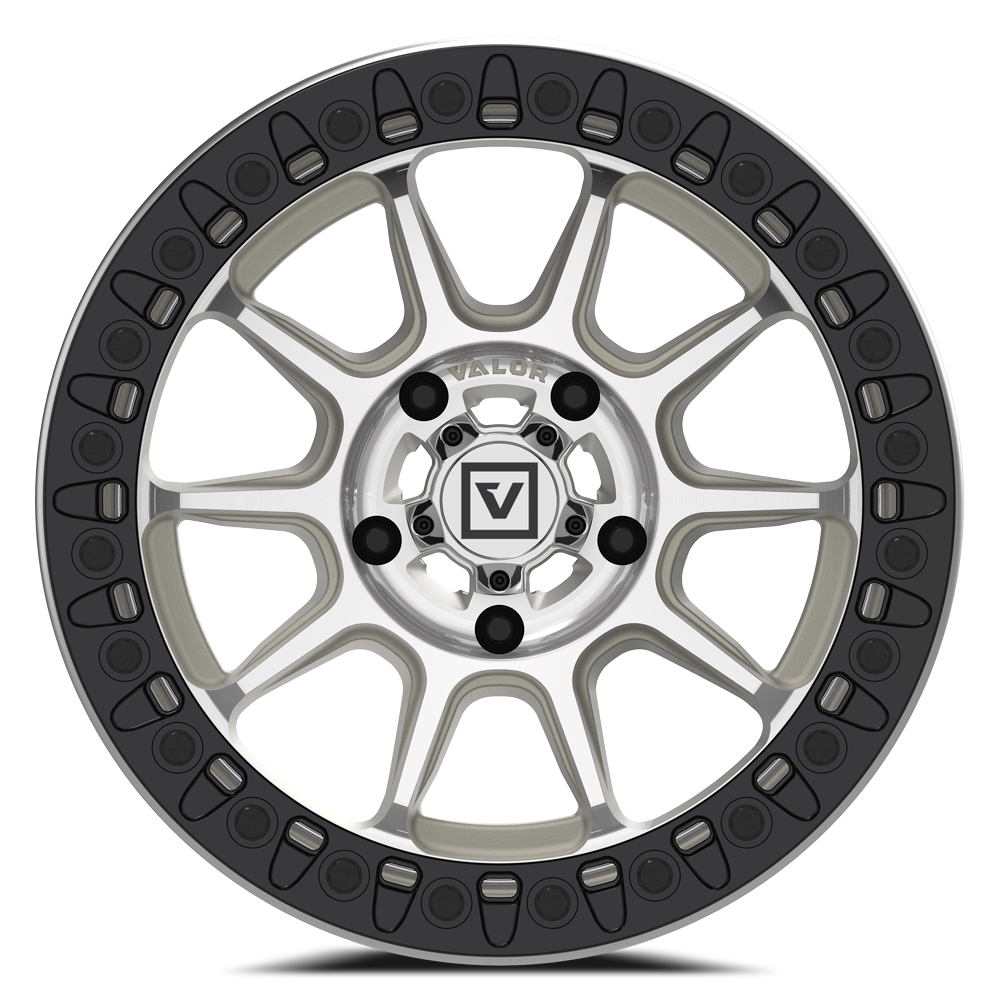
Valor Offroad offers ATV wheels for both SRA and IRS fitments. SRA fitments require an aggressive negative offset, so only certain wheel styles fit the rear axle. Explore our Solid Rear Axle collection if you choose SRA.
Solid Rear Axle
Purpose:
The solid rear axle (SRA) is the original ATV axle design and a standard for most work, farm, and ranch operations. Because the axle is one solid piece, there are fewer moving parts, so fewer parts can fail or need replacement. On SRA ATVs, the rear axle is a solid pipe connecting both rear wheels for unmatched strength but limited flexibility.

SRA Pros:
- SRAs have a lower rolling center, reducing the uneasy feeling that your ATV might tip on uneven terrain.
- Solid Rear Axle machines maintain relative ground clearance. Solid Rear Axle machines maintain ground clearance (depending on tire sizing compared to OEM), allowing the driver to know the exact clearance while driving, crawling, or traversing obstacles.
SRA Cons:
- On technical terrain, a solid rear axle can make for a rough ride. The rigidity of the solid axle greatly reduces overall flexibility.
- As one tire crawls over an obstacle, the other is affected. This lack of flexibility can quickly take the fun out of a long ride when your body absorbs the terrain instead of the suspension.
- Compared to the IRS, overall clearance on SRA can be much less.
Independent Rear Suspension
An independent rear suspension (IRS) improves rider comfort by absorbing bumps and obstacles. Because the axle is split, each wheel responds to terrain independently, improving comfort and offroad capability.

IRS Pros
- Smoother ride. When one tire crawls over a rock, the other tire maintains contact on the trail, creating a smoother ride over rough terrain.
- Are you older, or do you have troublesome joints from age or past surgeries? This style axle/machine is a better option for you to help alleviate some of the bumps and jostling ATVs are known for.
- Folks who want better crawling and offroad capability typically choose IRS because of constant contact with the terrain, no matter the obstacle. Expect double the clearance compared to SRA.
IRS Cons
- As you add weight, the rear IRS will sag, reducing overall clearance. Loading the rear with accessories or an extra seat will drastically reduce the vehicle's offroad abilities.
- Because the IRS has more moving parts than the SRA, it is more prone to mechanical failures and will need maintenance.
- Be mindful of stability with an IRS machine, especially in off-camber terrain or during cornering, as rollover risk increases.

Verdict:
Consider the riding you plan to do before you test-ride a new ATV.
- Are you a dirt-road kind of guy who doesn't plan to offroad? Either option is an excellent solution as neither will offer better/worse tire wear or handle flat roads better than the other.
- Looking for a workhorse to tackle heavy-duty jobs around the site or farm? The SRA will get the job done with little hassle.
- Looking for ultimate comfort and an enjoyable ride, no matter the terrain? The IRS will keep your teeth from rattling out of your head.
We have SRA and IRS wheels available and in stock. Check out the full collection here: Valor Offroad ATV Wheels.