

Thinking about getting a new ride this year? We’ve made a checklist to help you know what to look for when buying a new or used machine, plus a guide to help you choose the right vehicle.
Let’s get started.
First, what is a powersport vehicle? Powersports are a type of motorsport that includes motorcycles, UTVs (Utility Task Vehicles), ATVs (All Terrain Vehicles), snowmobiles, personal watercraft, and scooters. The main thing they have in common is an engine. If it doesn’t have an engine, it’s probably not a powersport vehicle.
We’ll go over the main differences between ATVs and UTVs, and look at what makes each type unique.
ATV - All-Terrain Vehicle
Most ATVs have four wheels, motorcycle-style seating, and handlebars for steering. While there are some two-person models, most ATVs are made for one rider. They’re also called quads or four-wheelers. ATVs are usually smaller than UTVs and take more physical effort to drive because you use your body to steer and control them.
ATVs are generally easier to transport long distances than UTVs, given they’ll fit in the beds of most full-size pickups and many standard trailers. An ATV is quicker to hop on and off, which can be an advantage when doing specific jobs out in the field. They’re also narrower, which means you can slip through tight gates, narrow trails, and other obstacles that bar UTV entry. While larger utility side-by-sides deliver more space and capacity for hauling, utility ATVs have plenty to offer with their cargo racks and towing capabilities. If additional hauling capacity is needed, trailers can be utilized to make up for the lack of a utility bed on an ATV.
UTVs - Utility Task Vehicle
A UTV, also called a Side-by-Side, has four to six wheels and either bench or bucket seats with seatbelts for up to six people. You drive a UTV much like a car, using a steering wheel and foot pedals. One big difference from ATVs is that all UTVs have a roll cage for extra safety for everyone inside.
People choose UTVs for lots of reasons. Off-road fans can use Side-by-Sides on many trails, even some that full-size vehicles like Jeeps can’t access. Hunters like UTVs for their ability to handle rough trails and carry gear. Farmers, ranchers, and others also value UTVs for their large cargo space and hauling power.
DEEPER DIVE
Now that you know the basics of each vehicle, let’s look at the different types and see what makes a Sport ATV different from a Utility UTV.

Sport ATV
Buyers looking at Sport ATVs prefer compact, higher-reving engines that like to go fast. The suspension will likely be stiffer than on stock Utility ATVs, but good Sport ATVs offer fully adjustable suspension so you can set it up to suit your preferred riding style. Both Polaris and Can-Am offer modern takes on Sport ATVs. More powerful and heavier than the traditional Sport quads, the Polaris Scrambler and Can-Am Renegade benefit from four-wheel drive, so they are better suited to playing in the rocks and mud.

Utility ATV
Utility ATVs are great for work on the jobsite or farm, but they’re also fun on the trails. They can carry a lot of gear on the front and rear racks and tow up to 1500 pounds or more with a rear hitch. Some models from Polaris, Can-Am, Honda, and Kawasaki have a rear passenger seat. If you need even more capability, there are six-wheel drive models and some ATVs with a cargo bed instead of a rear rack.

Sport UTV
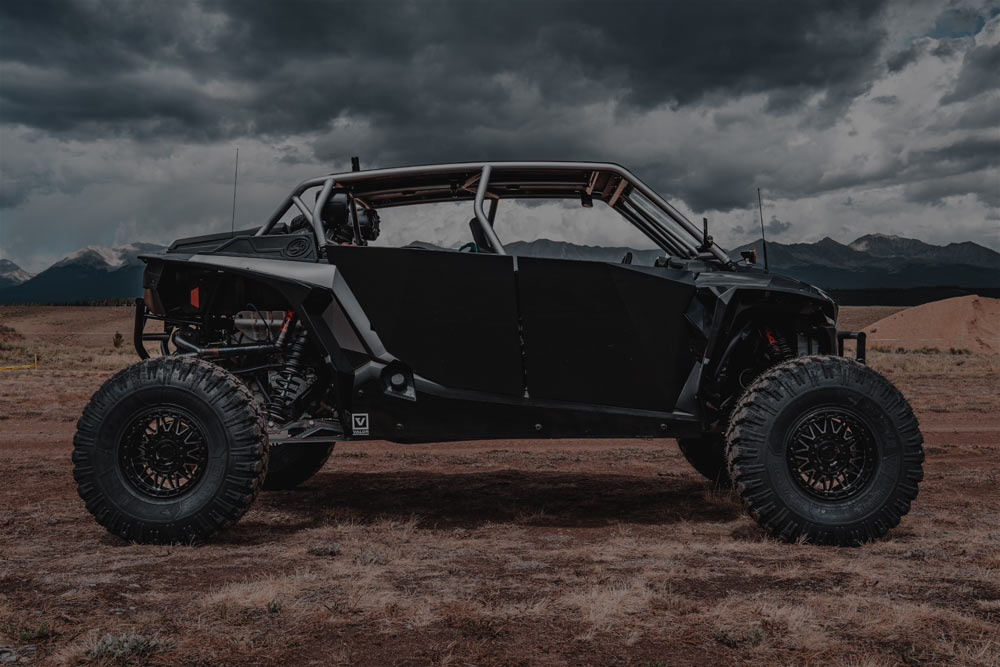
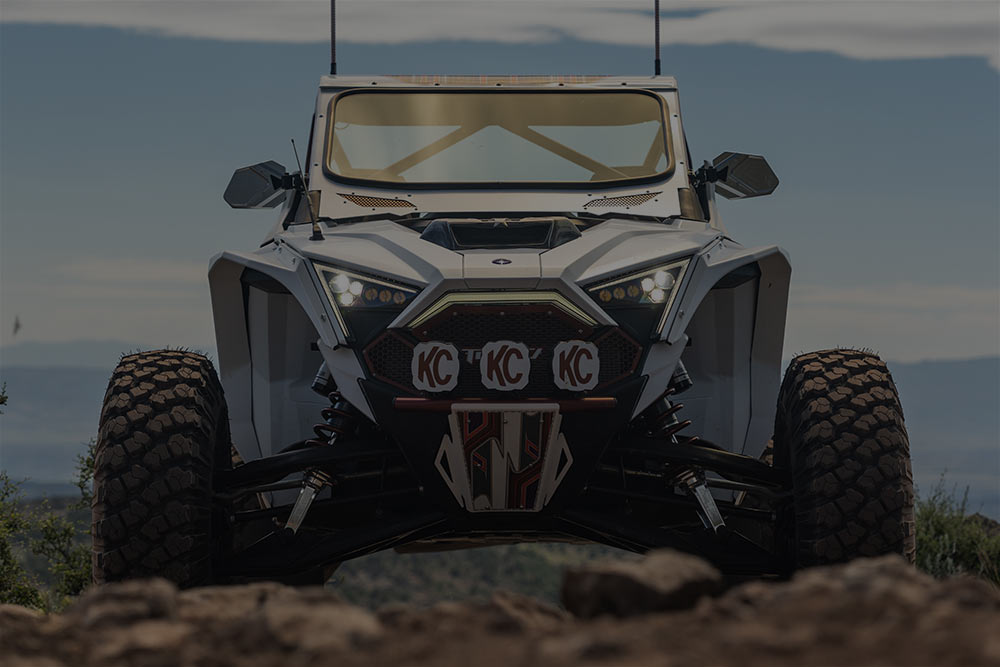
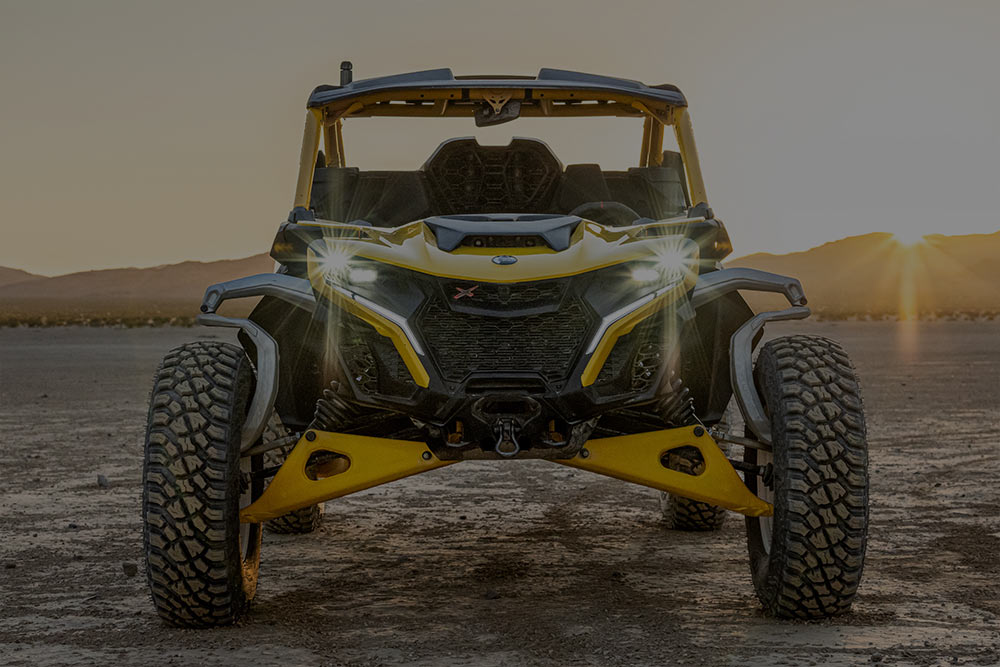
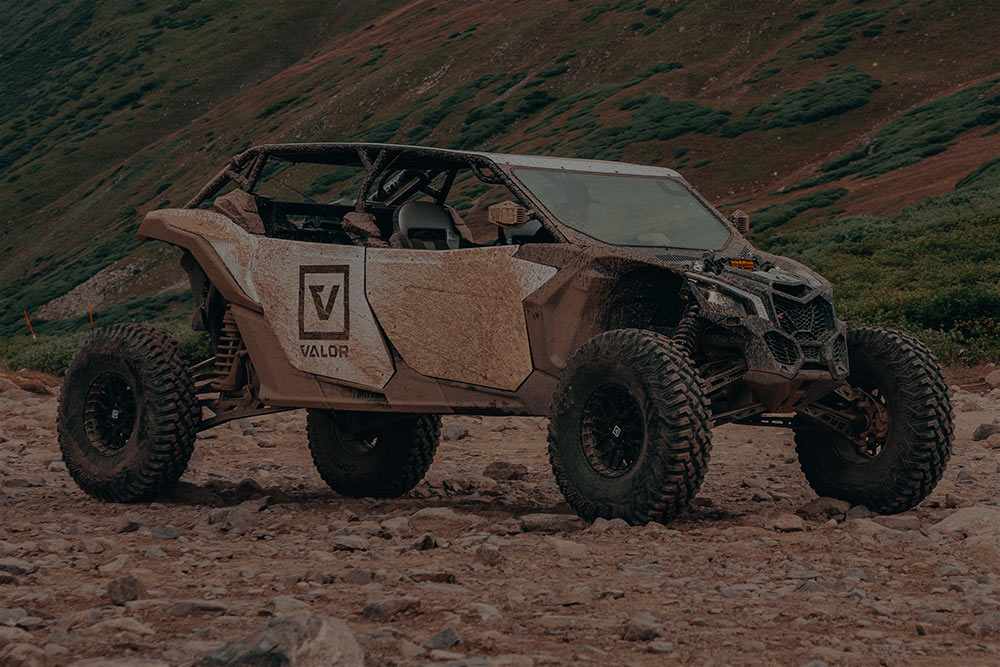
Sport UTVs come with either single-row seating for two or double-row seating for four. Some are made for specific uses, like 50-inch wide models for tight trails or 76-inch wide machines built for speed and handling. If you want speed, a Sport UTV is a good choice. Examples include the Polaris RZR Turbo S, Polaris RZR Turbo R, Polaris RZR Pro R, Kawasaki KRX, CFMoto ZForce, Segway Villain, Can-Am Maverick X3, and Can-Am Maverick R.

Utility UTV
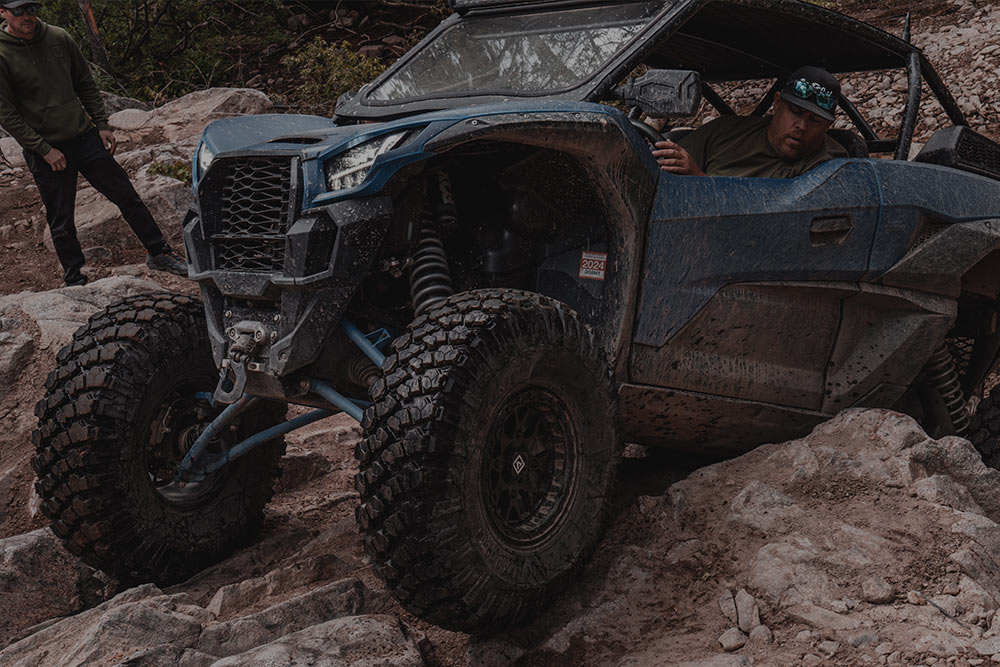
Designed to be put to work, you can still take these out for a bit of fun. There may be limitations due to vehicle size and limited suspension setups, which may affect performance. The biggest Utility UTVs can carry 1000+ pounds or more in their dumping cargo beds and tow another 2000 or 2500 pounds out back. This UTV style can also carry up to six people. Examples of Utility UTVs are Polaris Ranger XP 1000, Polaris Ranger XD 1500, Kawasaki Ridge, Can-Am Defender, CFMoto UForce

Sport Utility UTV
If you are looking to combine the joy of off-roading with friends and doing some work around the property, a Sport-Utility UTV is an excellent solution.
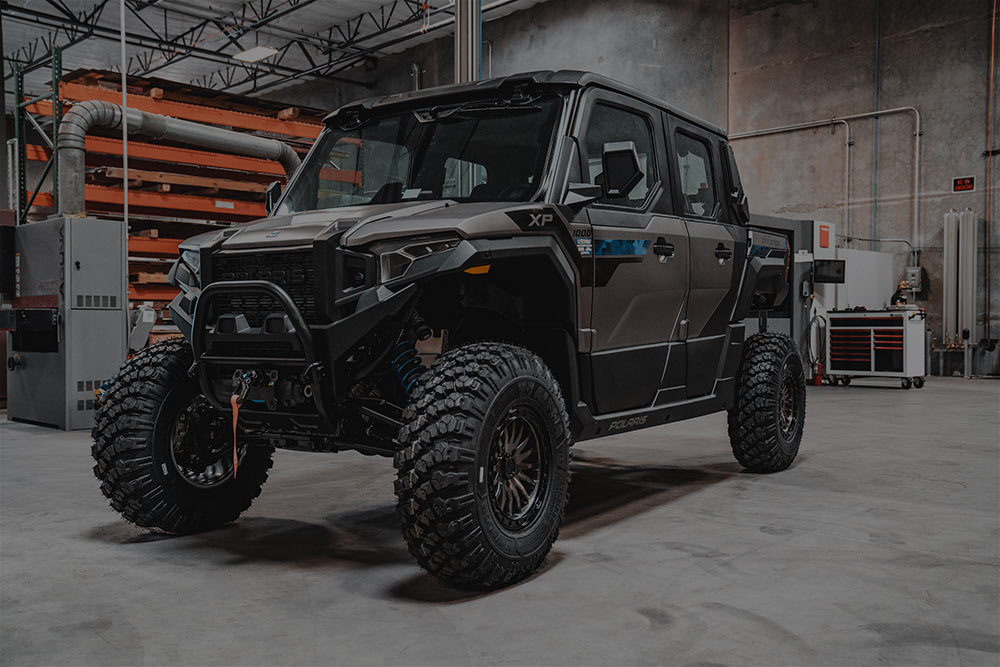
This is a newer class of powersport vehicles; however, there are already plenty of options. These machines can still hold hundreds of pounds of gear in their rear cargo beds and some tow 1500+ pounds out back, but they also have excellent trail manners and adjustable suspensions. They aren’t quite as sporty as the pure Sport UTVs, but they can certainly keep up. This is the category that is likely to appeal to the largest group of people, as it truly offers the best of both worlds. Examples os Sport Utility UTVs are Polaris XP General and Can-Am Commander.

Now You're Ready to Buy
Once you’ve picked out the make and model you want, the next step is making sure the vehicle is set up right (if it’s new) or well cared for (if it’s used). Here are some tips to help, no matter who you’re buying from.
Always Test Drive
We suggest you sit in and test drive several makes and models before you decide. Whether you’re buying new or used, the tips below always apply. Take your time and don’t rush when buying a UTV or ATV.
Be wary of the following seven S’s:
- Stopping. Brakes are one of the most important parts of your side-by-side. The brake pedal should feel firm. If it doesn’t, you may need repairs.
- Starting. When you start the UTV, the engine should turn on right away. If it takes a long time to start, the battery might be weak.
- Stability. Your side-by-side should feel stable and ride straight. You should feel in control of the vehicle. If you don’t, there may be problems with the suspension.
- Smoke. When the engine is running, there shouldn’t be much smoke coming from the exhaust.
- Speed. UTVs are built for power. If the vehicle doesn’t perform as expected, it’s best to look for another one.
- Slippage. The CVT belt shouldn’t slip. If it does, the vehicle might just need a new belt, but it could also mean clutch problems, which can be costly to fix.
Check the Drive Line
- Check the CV boots and axles when you look over the vehicle. These are important parts of the UTV’s driveline.
- During your test drive, listen for any unusual noises from the driveline. You shouldn’t hear anything abnormal.
- The CV boots should not be torn or cracked.
- If the used UTV has been modified, check if the axles were replaced. If not, you might want to make this one of your first upgrades.
Be wary of deceptive sellers
Here are some tips to spot a deceptive seller:
- Talk to the seller as much as possible. Ask plenty of questions and seek more information. If you feel the seller is hiding details, it’s best to look for someone else.
- If you’re buying used, ask why they’re selling. You don’t want to end up with someone else’s problem, especially after spending a lot of money.
Check fluid levels
- Check the oil. Pull out the dipstick and smell it. If the oil smells bad, even if it looks clean, there could be a serious engine problem. It’s better to choose another vehicle. If you’re not sure what to look for, bring a mechanic with you.
- Check the coolant. It should be a steady orange or green color. Coolant is important because it helps prevent corrosion in the engine. If someone used tap water instead, it can cause big problems.
- Check the gas tank, especially if you’re buying used. Smell the tank. If it smells bad, there could be a problem.
Inspect the tires/wheels
If you’re buying new, the UTV tires should have less than 10 miles on them, so inspection is easy. For a used machine, if the tires look worn, consider asking for a lower price to cover the cost of new tires.
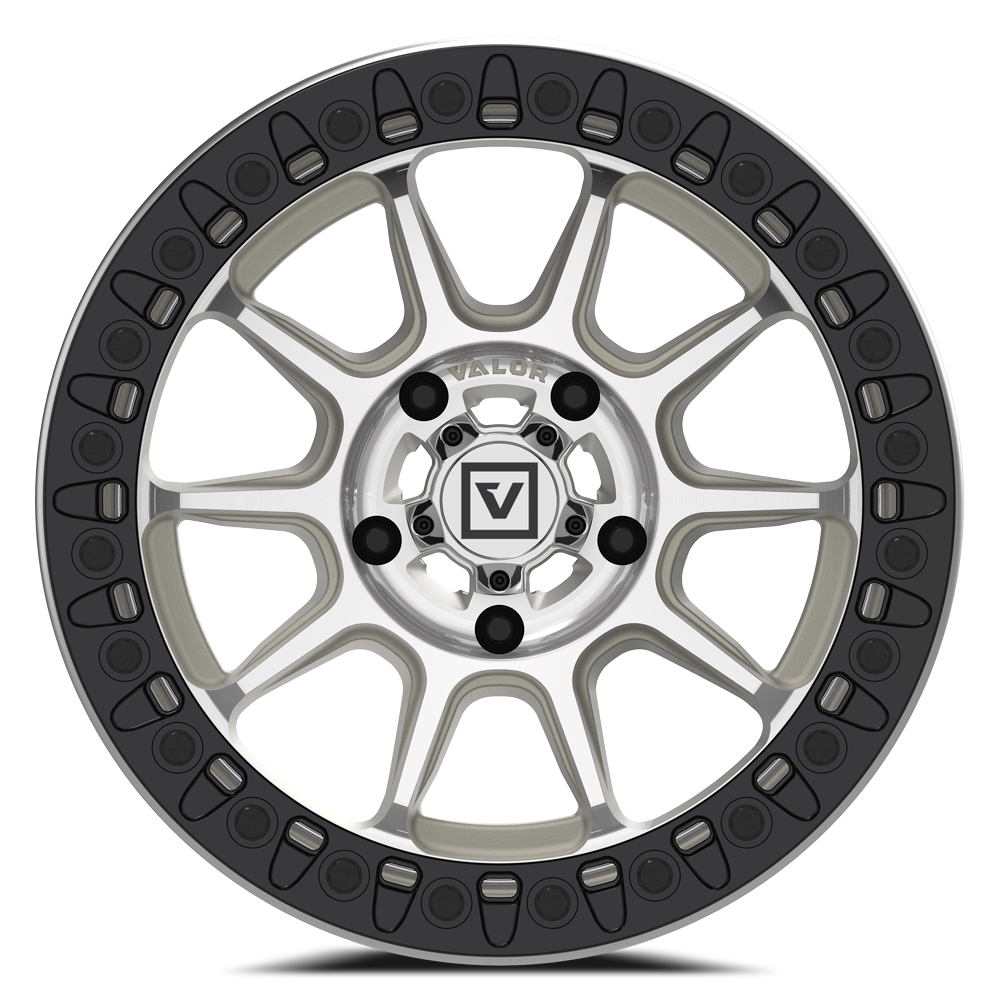
Check the condition of the UTV wheels. If you see rust, the wheels aren’t aluminum and may need to be replaced, especially in humid areas. Also look for cracks, gouges, or missing parts.
If you want to change the wheels and tires for custom ones, remember to include that in your budget when you talk about the final price. Most dealers offer new wheels and tires that can be installed for free and included in your payment.
Inspect the frame
The frame is the main body and cage of the UTV. Before you buy, inspect the frame carefully. It’s your main source of protection.
When you check the frame, watch out for these issues:
- Possible hidden cracks or awkward bends.
- New-looking plastics or body panels that could be hiding bigger problems
- Rusty mounting points

Additional things to consider
- Seating: How many seats do you need? Are the seats comfortable? Are they heated?
- Instrument & display configuration
- Blind spots (every UTV has at least one)
- Storage
- Sun protection: Does it have a roof?
- Is it still under warranty?
- Get a list of any modifications and the shop that did them. Check if the shop is reputable.
- Was the electrical work done by a reputable shop or by the owner at home? Electrical problems in remote areas can be serious.
- Are parts easy to find for this model? Wheels with a 4/137 or 4/156 bolt pattern are common, but if your model uses a 4/115 bolt pattern, it may be harder to find replacement or aftermarket wheels.