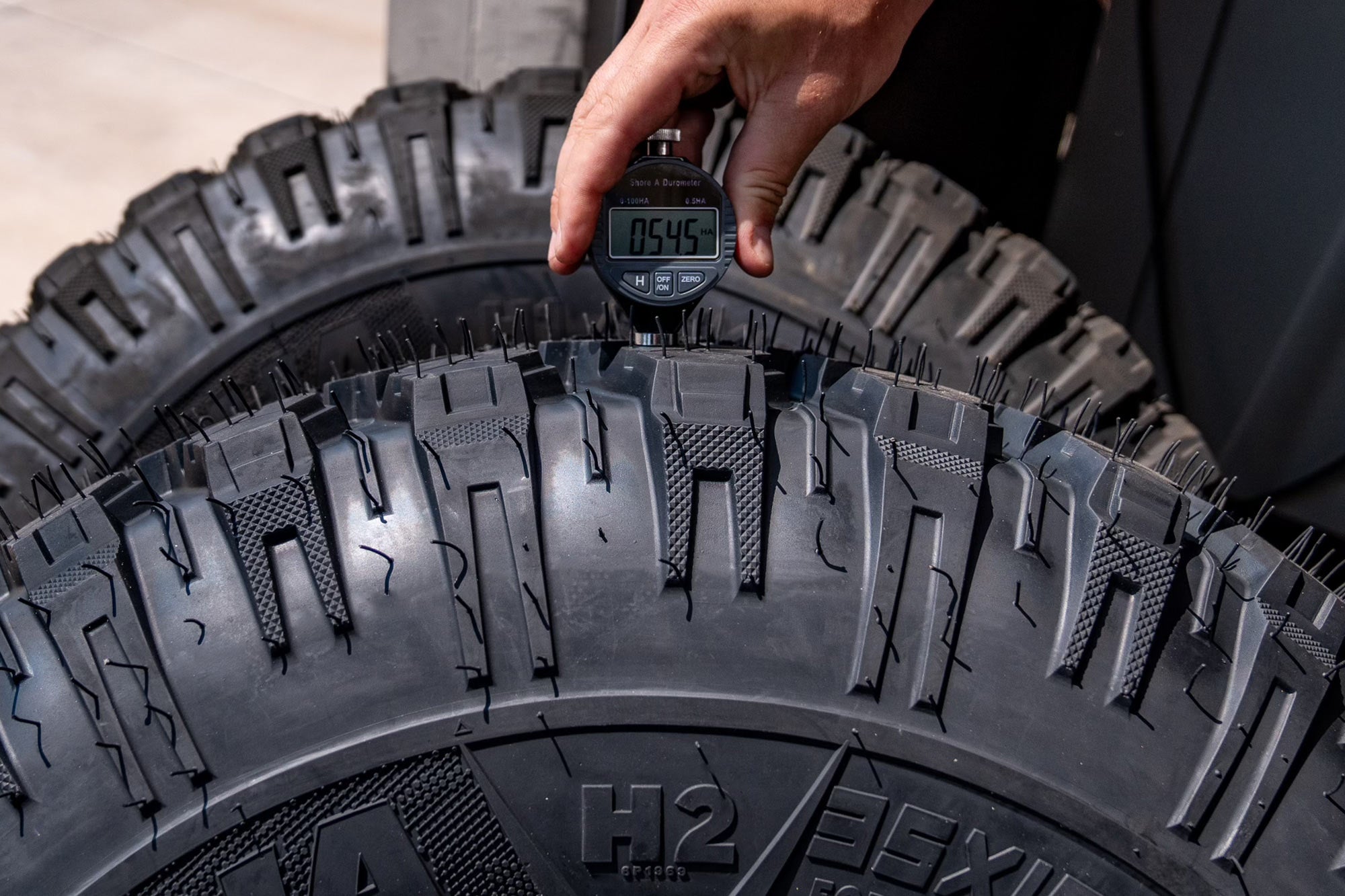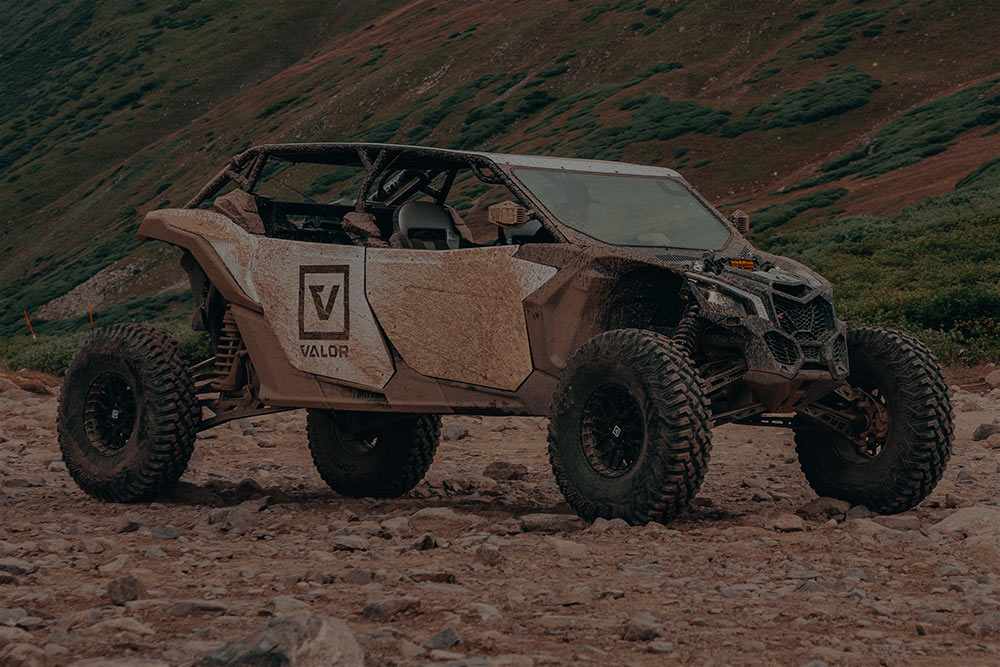


Your tires are the only part of your vehicle that touches the ground, whether you're driving fast or tackling tough obstacles. It's important to understand what makes each tire unique, so you can choose the right one for your vehicle, favorite trails, and the climate where you'll be riding.
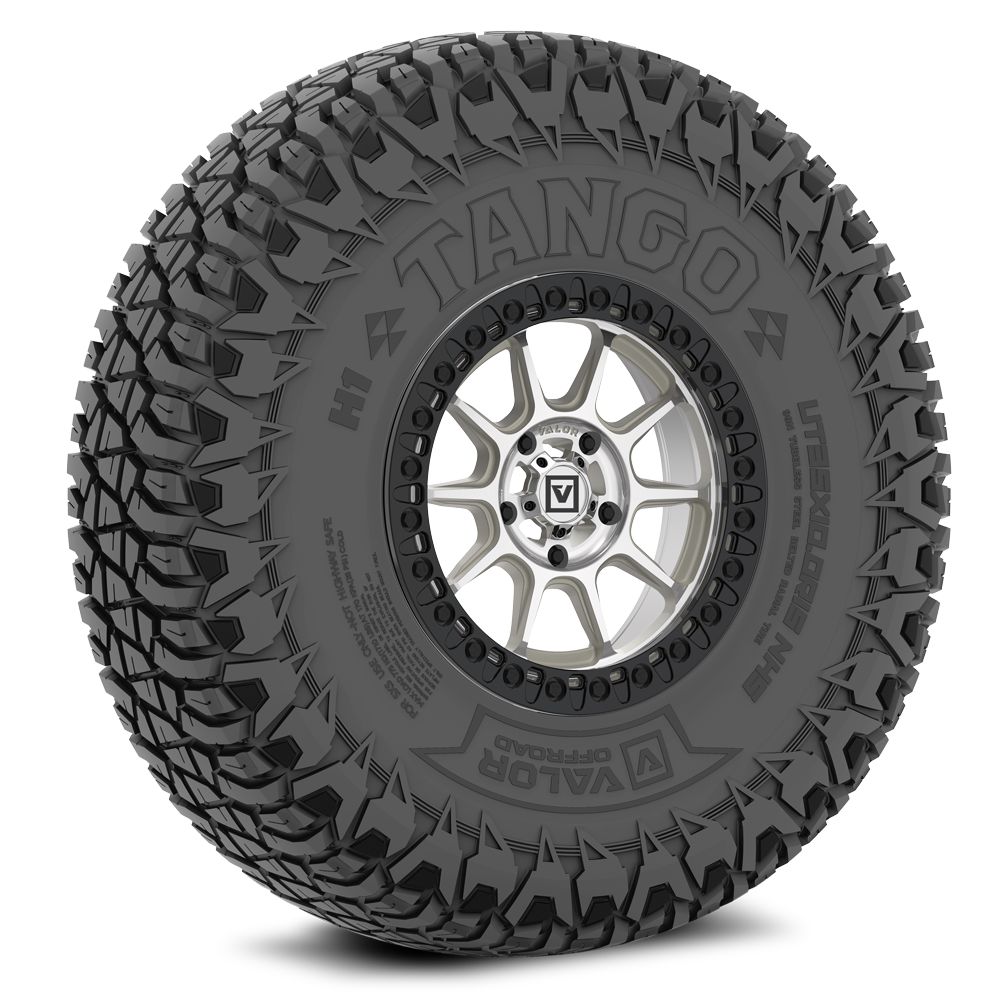
We'll explain the tire sidewall and its markings, which can be confusing at first. For this post, we're using the Valor Offroad Tango as an example. The sidewall provides important details about the tire's purpose, size, load capacity, and heat and speed handling.

Tire Size: UT35X10.00R15
- UT - Designates a UTV-specific tire
- 35x - Tire diameter
- 10.00 - Tread width (10")
- R - Radial construction
- 15 - Wheel diameter
- NHS - Not Highway Safe
Tire diameter - Measures the total height of the tire. For SXS or UTV tires, this measurement is always in inches and is usually what people refer to when discussing tire size.
Tire width: The overall width of the tire. This measurement is commonly confused with the tire's tread width, which refers only to the tire's contact patch. A tire's width matters if you have limits on how wide your vehicle can be, such as fitting into a trailer or garage. For most UTV tires, 9 to 10 inches is a common width.
R, or radial, means the construction plies run perpendicular to the direction of travel, with belts under the tread. A tire with radial construction provides a smoother ride and helps prevent heat build-up, which can improve how long your tires last. If your tire is not Radial, you typically have what is known as a bias-ply tire. Bias-ply tires are built with crisscross plies for pure offroad performance and are not intended for high-speed travel.
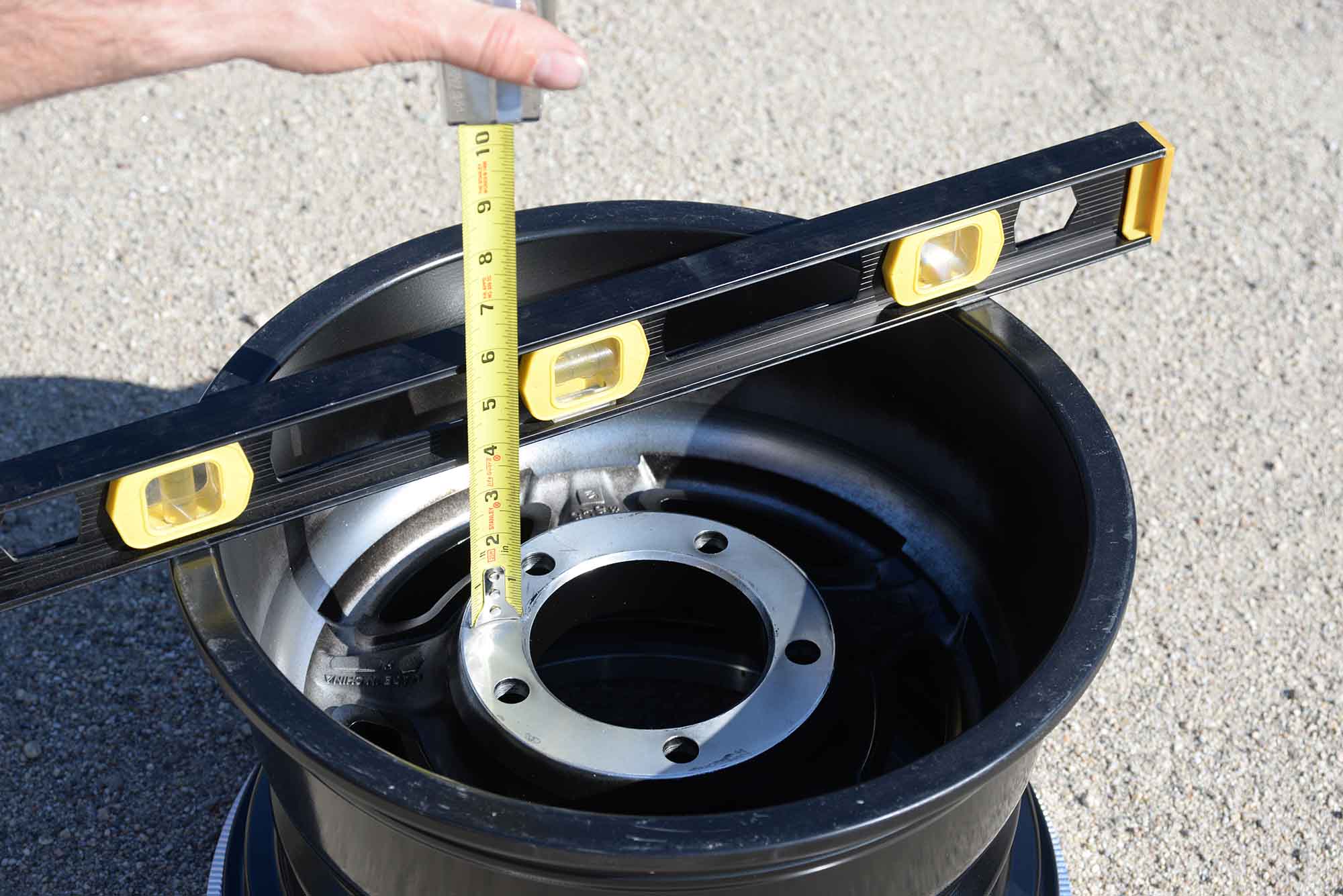
Wheel diameter is the size of the wheel that fits the tire. In this case, a 15-inch wheel is made to match this tire size. SxS wheels are usually 7 inches wide, so a 15x7-inch wheel is ideal for this tire.
LT (Light Truck) - If your tires have LT in the size or sidewall designation, they were developed and engineered for automotive applications such as light trucks. Because LT tires have higher load capacities and more robust construction, they are overkill for UTVs and can quickly add several pounds of unnecessary weight.
Max load 625 kg (1820 lbs) at 250 kPa (35 psi) cold
All tires sold in North America must show the maximum load and inflation pressure on the sidewall. Tire pressure is usually measured in pounds per square inch (psi), kilopascals (kPa), or bars. At sea level, one bar equals 100 kilopascals or 14.7 psi.
This marking shows that the tire can carry up to 825 kg (1820 pounds) and that its maximum inflation pressure is 250 kPa (35 psi).

CXHW 7VF1020
This set of letters and numbers shows the manufacturing date, batch, and plant location. Each tire has a unique code, so if there's a problem, tires from the same batch can be identified and fixed before being sold.

Tread wear indicator
Every tire has a Tread Wear Indicator (TWI) triangle on its sidewall. TWI is an indicator of tire wear and a benchmark for checking whether your tire is worn out. Another example of a TWI is a bar that bridges between two tire lugs.

You should replace your tires as soon as the tread wears past the indicators.

Tubeless Steel Belted Radial
A tubeless tire doesn't use a tube. Instead, it holds air with a special rubber inner liner that prevents air from leaking out.
Radial tires have steel belts that run at a 90-degree angle to the tread. This makes the tire strong enough to handle air pressure and the vehicle's weight. Radial tires also flex more, giving better ground contact, traction, and tread life.
Steel-belted bias tires, which are not radial, use two or more layers of nylon cord and two steel belts under the tread. This design strengthens the tire, provides extra support, and creates a firmer bond with the tread.
Safety Warning
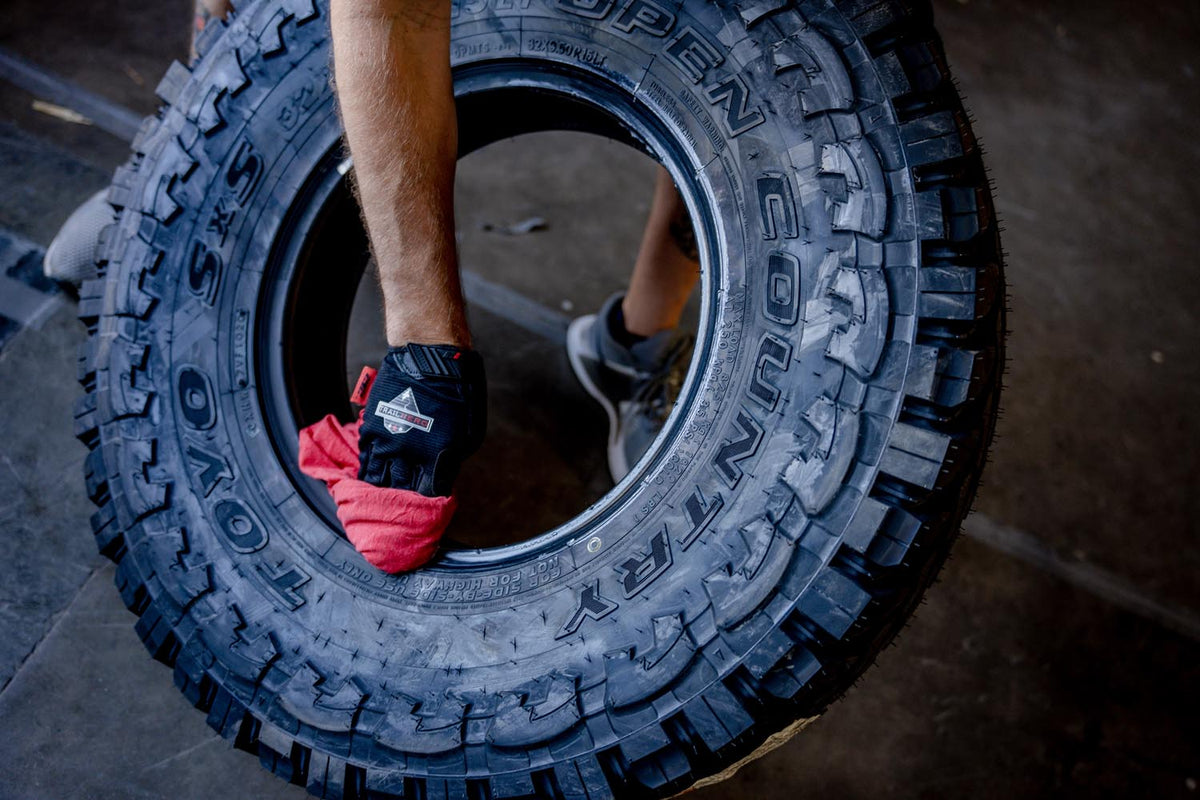
All tires remind users to perform regular maintenance and safety checks to maintain proper pressure, monitor wear, and spot problems early. The fine print on this Toyo Open Country SxS tire says:
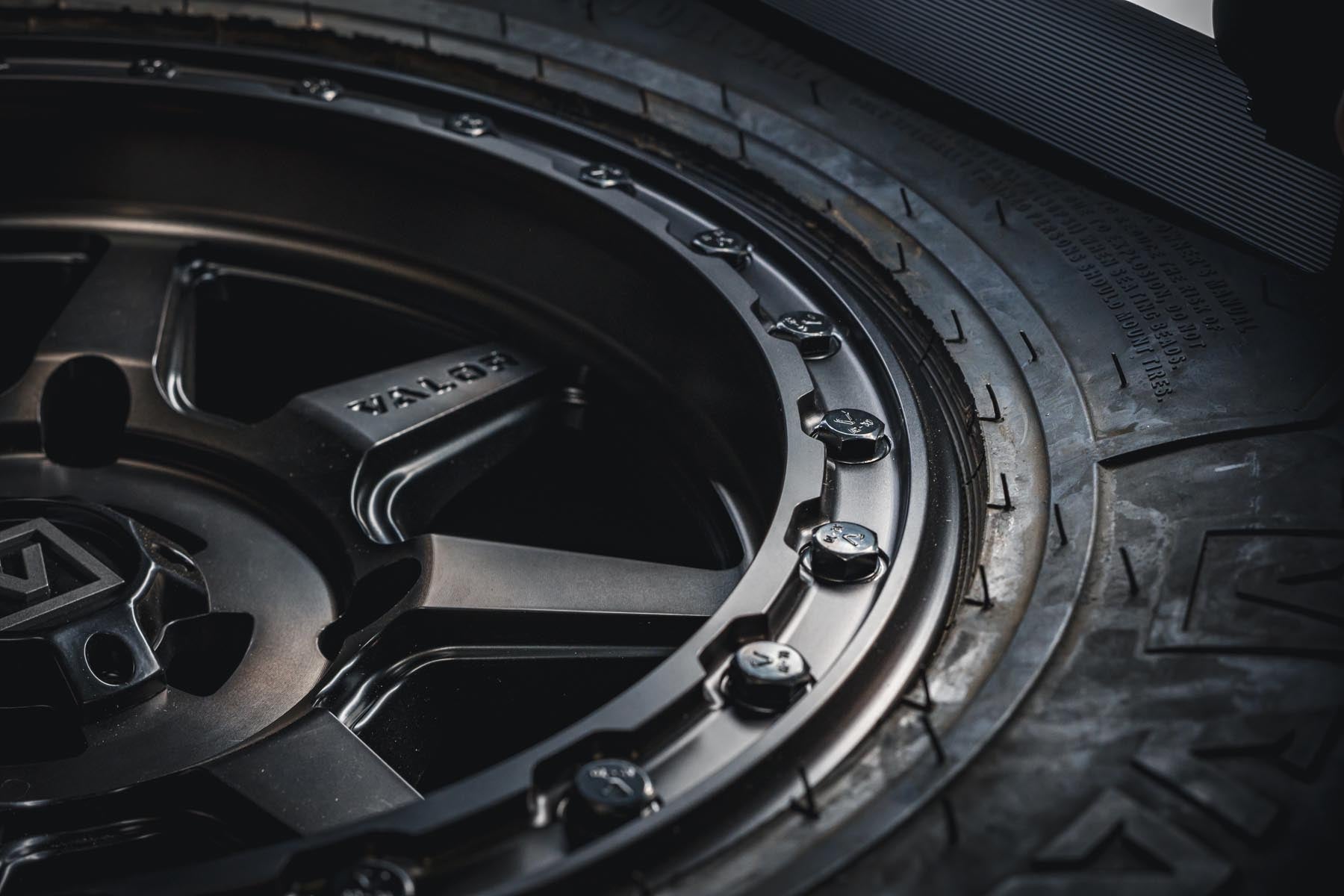
Serious Injury may result from tire failure due to underinflation/overloading. Follow the owner's manual or tire placard in vehicle. Explosion of the tire/rim assembly due to improper mounting. Only specially trained persons should mount tires. Never exceed 40psi to seat beads. Mount only on a 15-inch rim approved for radial tires.