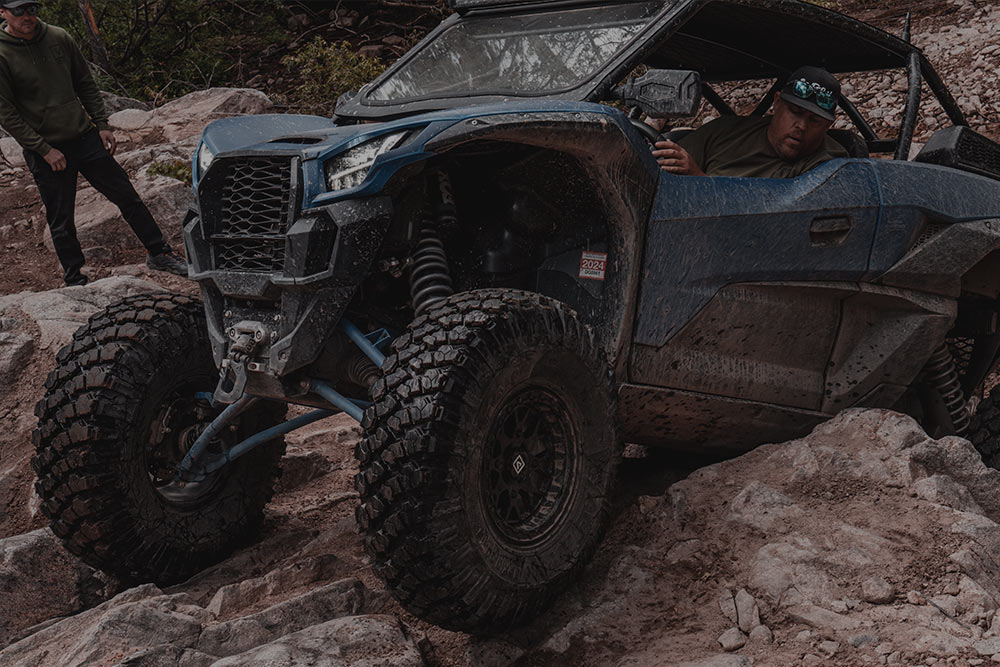



A tire’s rubber compound plays a big role in grip and wear, but it’s only one part of choosing the right UTV tire. Tread design, construction, size, and weight all affect how your machine feels on the trail. Two tires with similar rubber hardness can deliver very different riding experiences. Before buying your next set, think about where you ride most often, how you drive, and what you expect your tires to do.

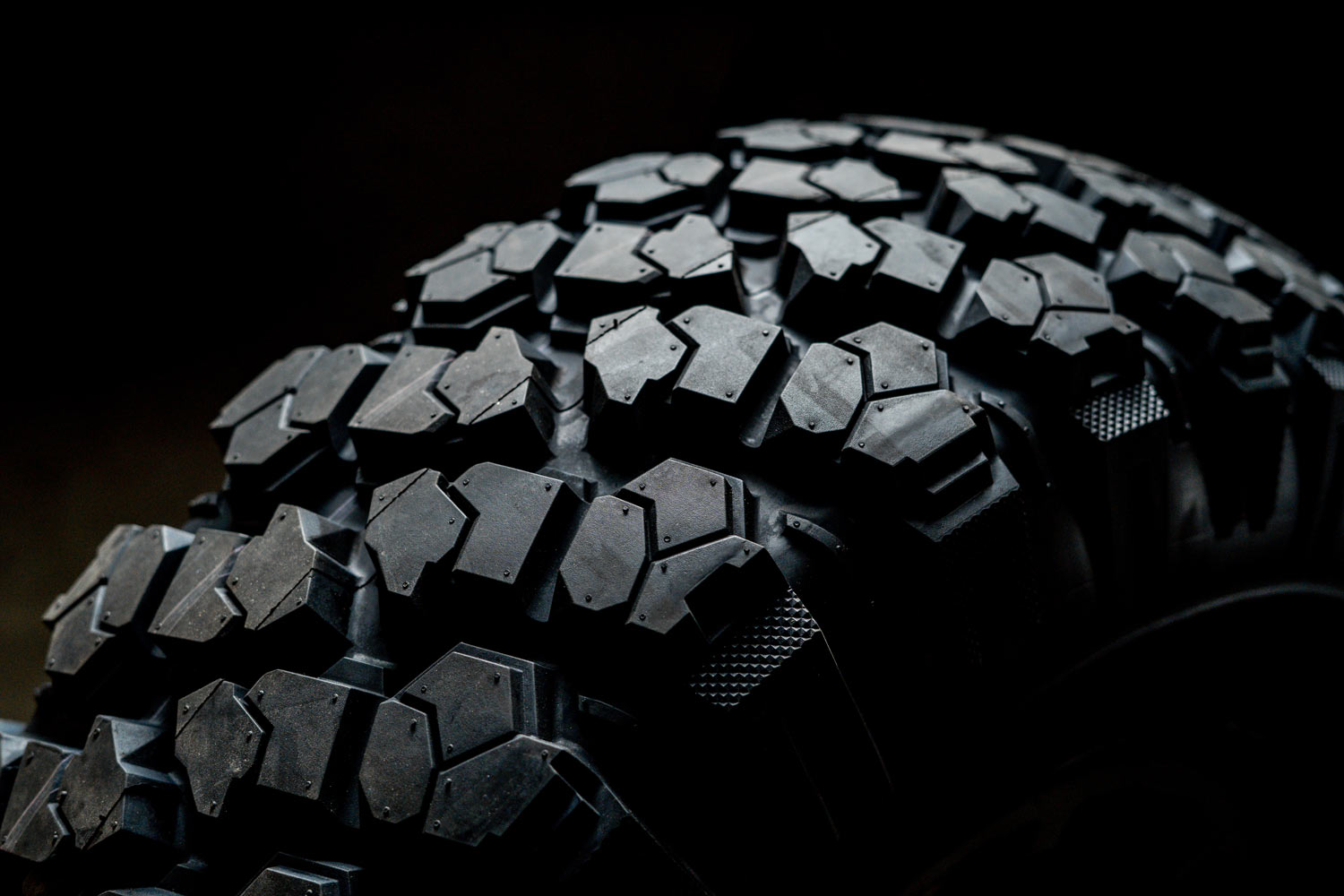
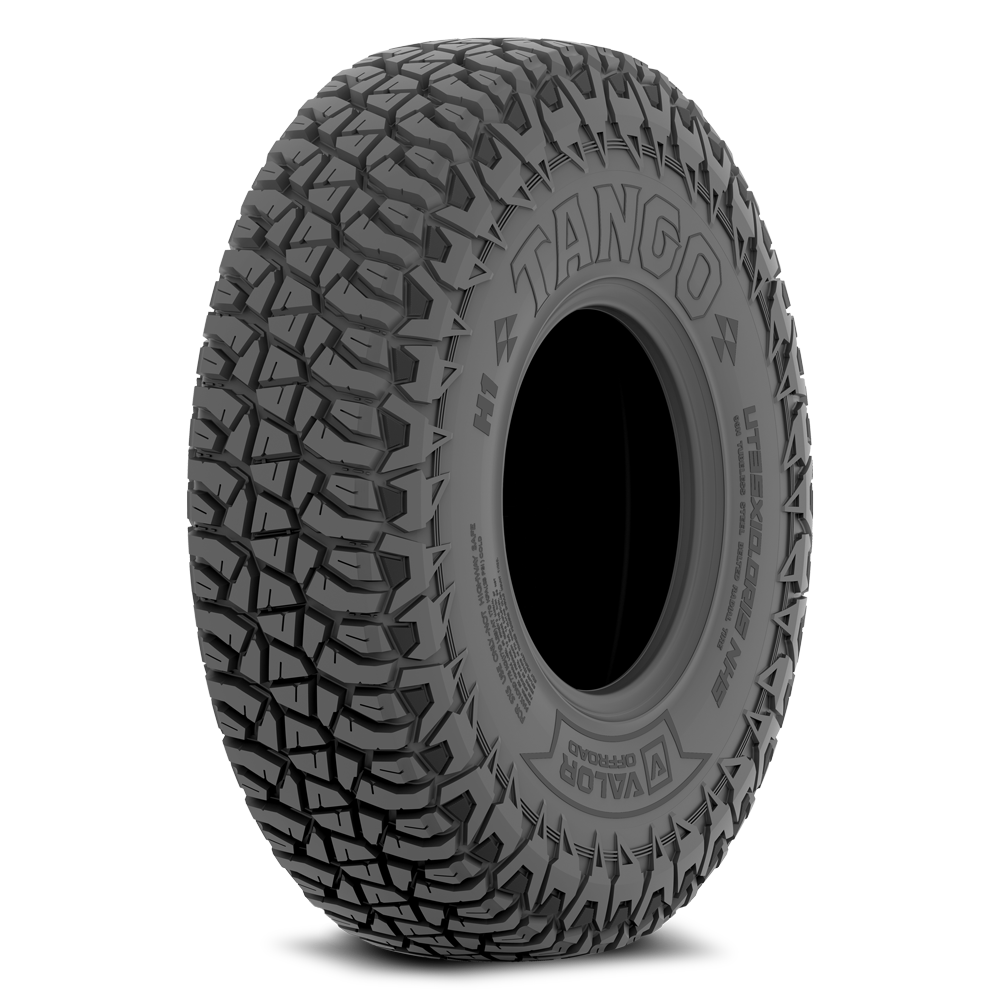
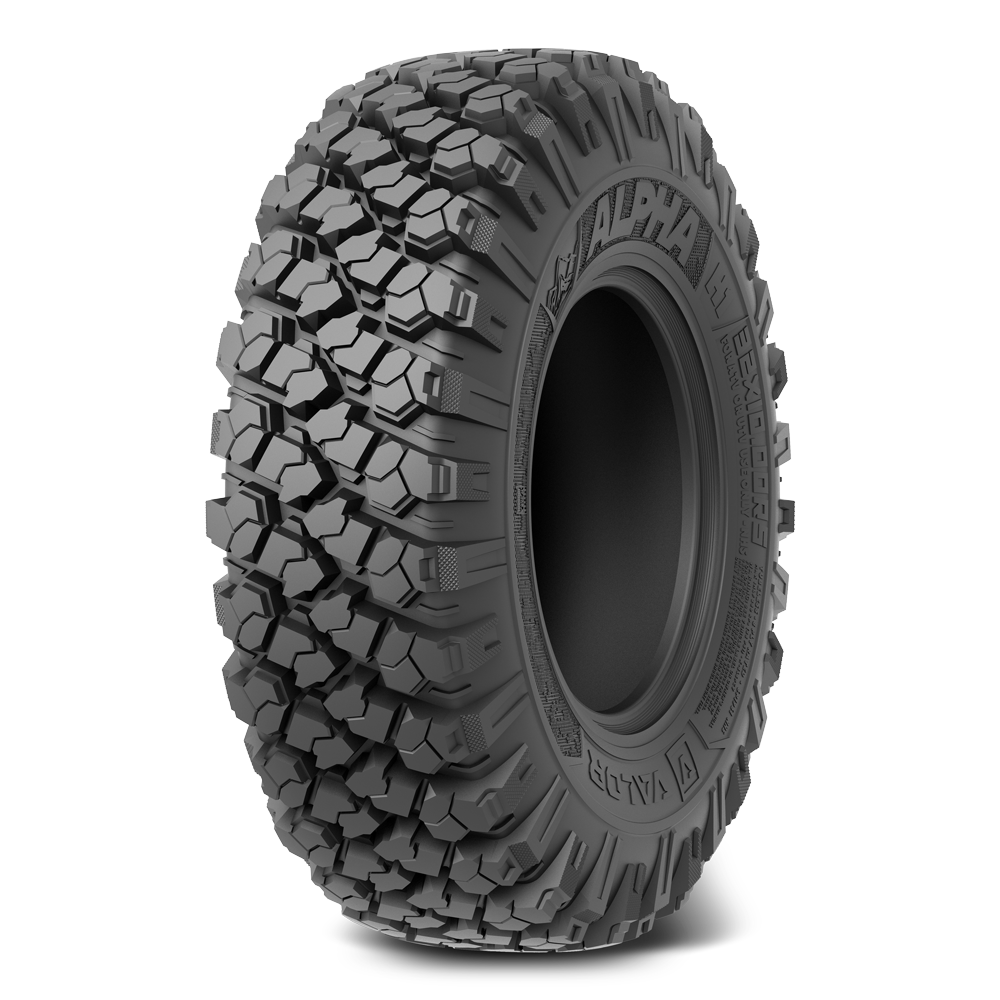
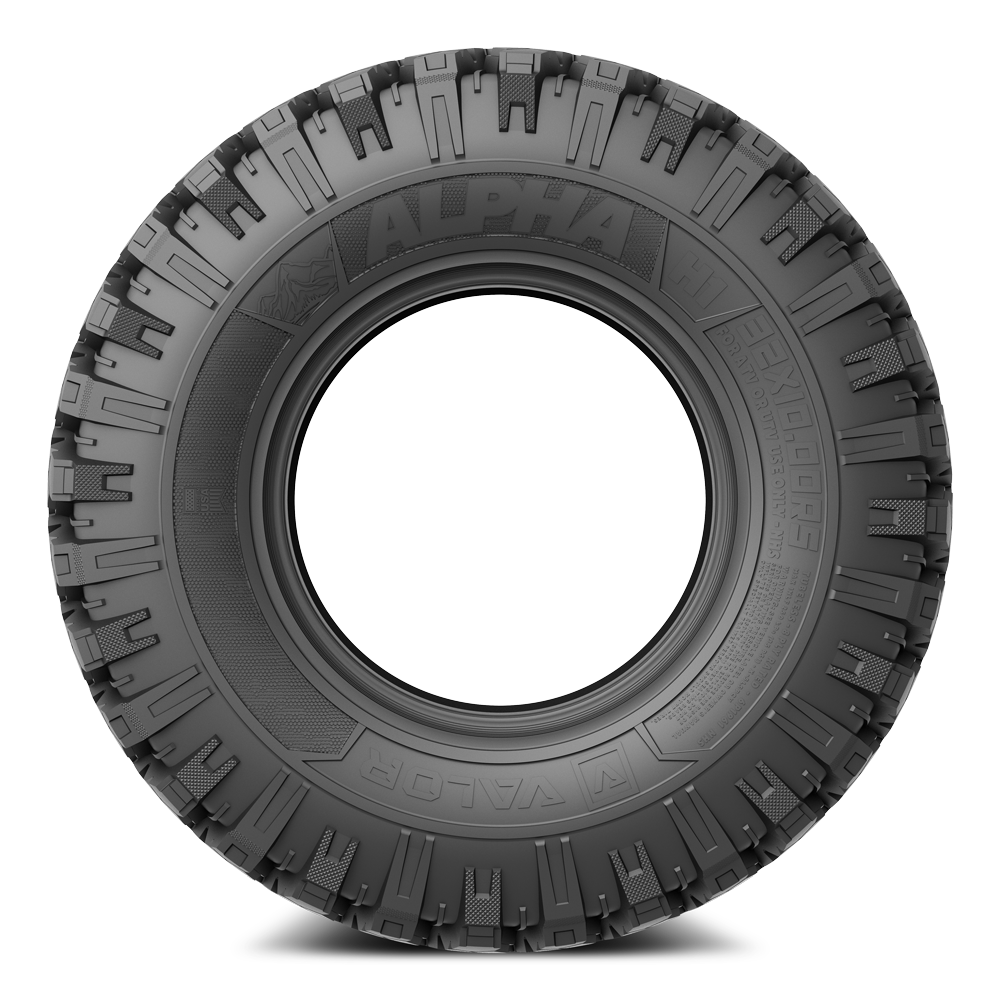
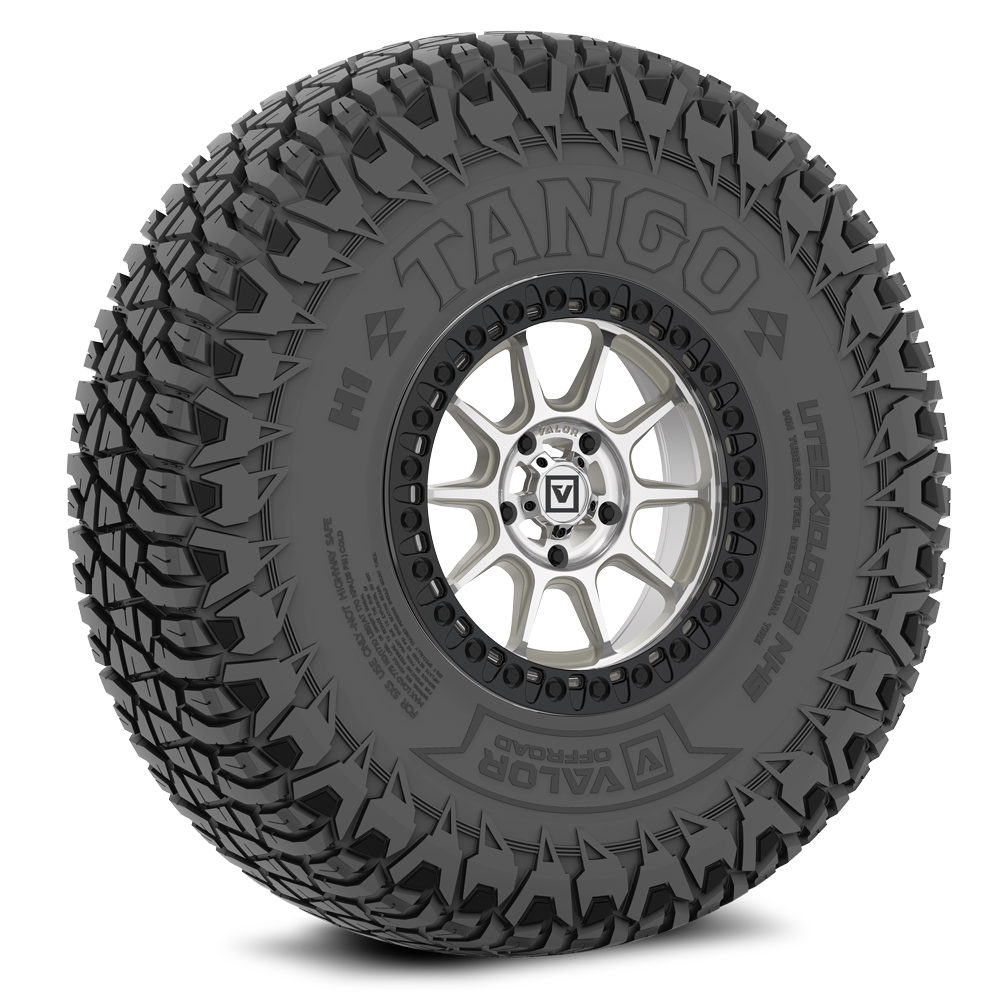
Start with the terrain you actually ride. Deep mud calls for tread that can dig in and release packed material, while dedicated sand tires use a very different approach to generating traction. For mixed trails and hardpack, an all-terrain pattern offers more versatility. Look beyond tread depth and consider block spacing, biting edges, and shoulder coverage. Valor Offroad’s Tango, for example, uses a 15 mm all-terrain tread, while the 32- and 35-inch Alpha models feature 20 mm tread and prominent shoulder lugs. These designs give riders different options for balancing everyday trail use with traction around obstacles. More tread depth alone doesn’t establish which tire will work best on your terrain.
Pay attention to what’s beneath the tread, too. The casing supports the tire and influences how it flexes over uneven ground. Both radial construction and the reinforcing materials matter. The Tango uses steel-belted radial construction, while the Alpha uses a nylon-cord radial design with a flexible casing. Those are useful features to compare when deciding how much emphasis to place on tread support or compliance over rocks and roots. Both are 8-ply rated, which also illustrates why the ply rating can’t tell the whole story. Modern ply ratings describe a strength classification rather than a literal count of internal layers. They don’t make two tires identical in ride quality or load capacity.

Tire weight deserves a place on your shopping list. Extra weight at each corner adds work for the drivetrain and can affect acceleration, braking, and suspension response. Compare the complete wheel-and-tire assembly when planning an upgrade. Within the Tango lineup, the 32x9.50R15 is listed at 45 pounds and the 35x10.00R15 at 51 pounds. That’s a calculated increase of 24 pounds across four tires before any wheel changes. The larger size may provide benefits you want, but that weight is part of the tradeoff. Significant increases in tire size or weight also warrant checking clutch calibration and gearing requirements for your particular machine.

Fitment involves more than reading the size molded into the sidewall. Advertised dimensions are nominal, and mounted measurements can vary with wheel width, inflation pressure, and tire design. Check the manufacturer’s measured specifications and recommended wheel widths. Then confirm clearance at full steering lock and throughout suspension travel, including space around fenders and suspension components. A tire that clears while parked may contact something when the suspension compresses. Overall width also matters if you regularly load into a trailer or use trails with vehicle-width restrictions. Choosing a size that works with your existing setup can save you from buying additional parts just to make the tires usable.

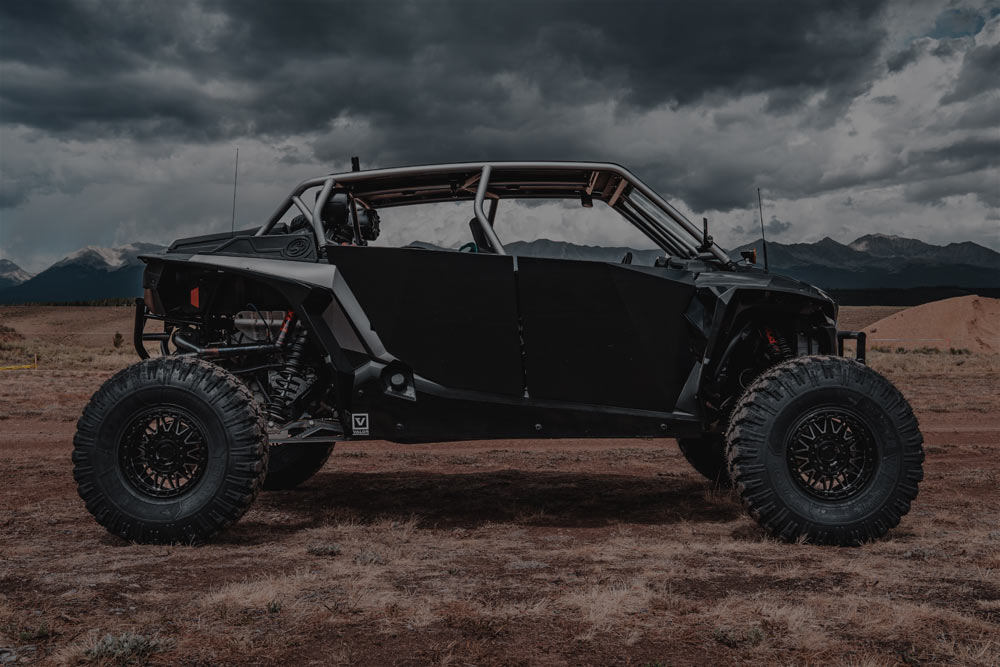
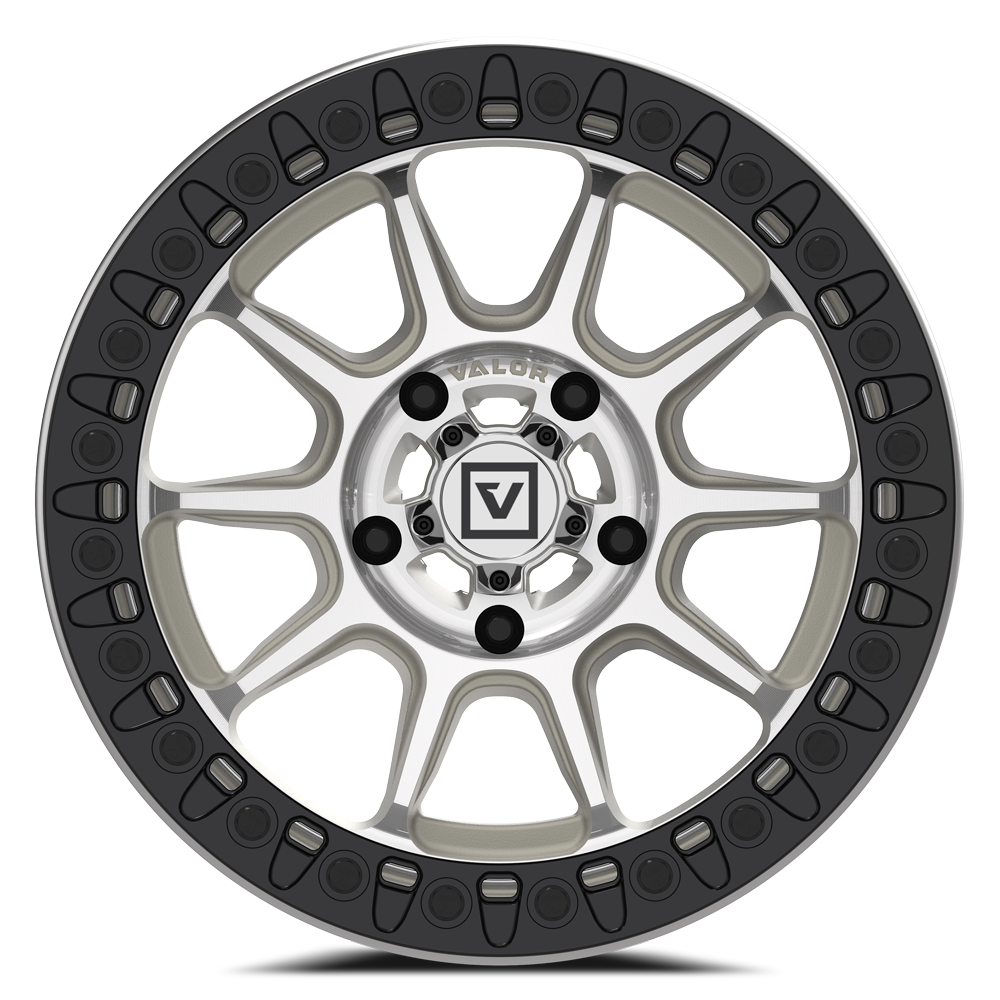
Wheel diameter changes the experience even when overall tire diameter stays similar. A 35-inch tire on a 15-inch wheel has more sidewall height than a 35-inch tire on a 17-inch wheel (see 35x17 Tango above). That additional height provides more room for deflection, although construction and pressure still determine how the tire behaves. A larger wheel can provide additional room for brakes or certain aftermarket components, but its barrel shape and complete fitment still need verification. The Tango's 35x10.00R15 and 35x10.00R17 options let riders consider those different packaging needs. Choose the combination around your vehicle’s clearance requirements and the ride characteristics you value. Valor Offroad offers tires in 30", 32", 33", and 35" overall diameters.

Finally, confirm load capacity and inflation guidance for the exact tire you’re considering. Passengers, tools, camping gear, and accessories all contribute to the load your tires carry, and that weight isn’t necessarily distributed evenly between the axles. An 8-ply rating by itself doesn’t establish the correct capacity or operating pressure for your setup. Use the vehicle manufacturer’s guidance and the tire manufacturer’s specifications together, especially after changing sizes. Check pressures cold. Excessive or insufficient pressure can affect handling and wear, and a pressure that works for a lightly loaded machine may be unsuitable once you add passengers and gear.
The most useful tire upgrade solves a problem you notice on your rides. That might mean better traction over roots, less weight than your current setup, or a wheel-and-tire combination that clears your brakes properly. Write down what you want to improve before comparing products. Then evaluate the whole tire against those needs. Compound belongs in that decision, alongside the tread, casing, dimensions, and operating requirements that determine how the tire works on your UTV.