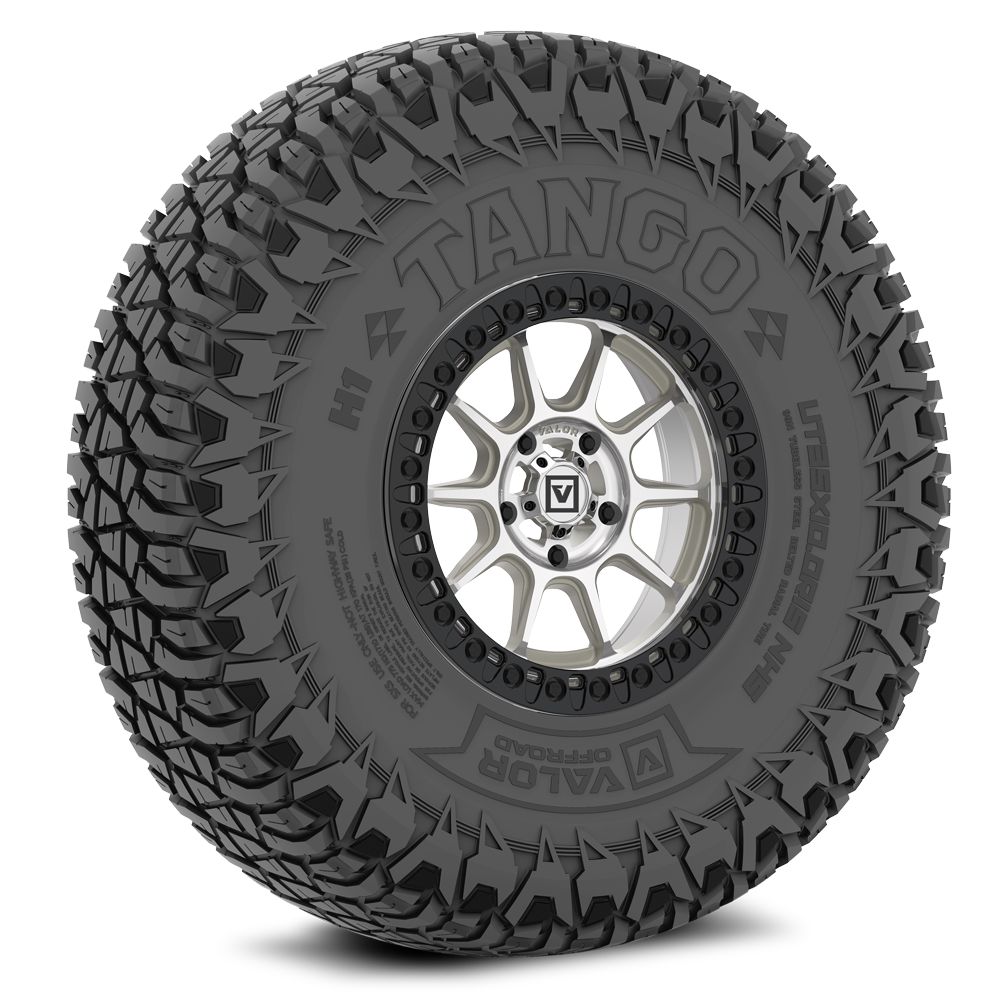


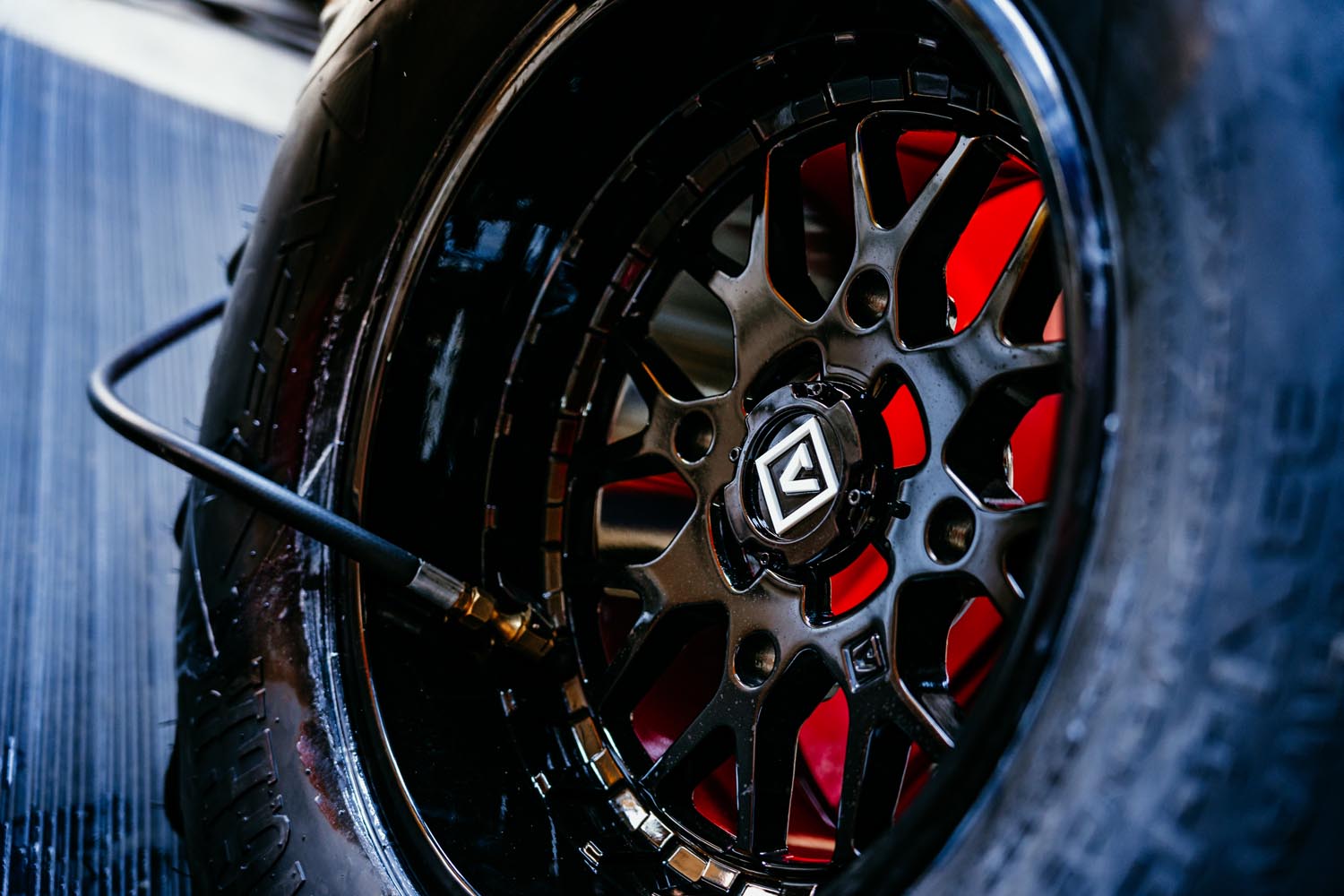
You’ve picked out your favorite wheels and tires and are considering mounting them yourself at home. Before you begin, we highly recommend letting a professional shop do the mounting, especially if you have beadlock wheels. Tire shops have the proper tools to safely seat the tire beads and inflate them to the manufacturer’s specs.
Nope, I'm determined to mount these tires myself
We get that you like to do things yourself. However, it’s important to go over the risks and warnings that come with mounting a tire onto a wheel.
OVERINFLATION
Too much air pressure can be a real problem. Your tire’s sidewall has important details, including the maximum PSI inflation pressure. If you don’t spot it right away, check both sides of the tire—it’s there. This info helps everyone know the highest pressure to use when seating the tire beads. Need a quick review of how tires and wheels work together to hold air?
What is a tire bead?
- The tire bead is found near the edge of the inner lining, where the rubber meets the wheel barrel. It’s made of tightly wound, coated steel wires that press against the outer lining.
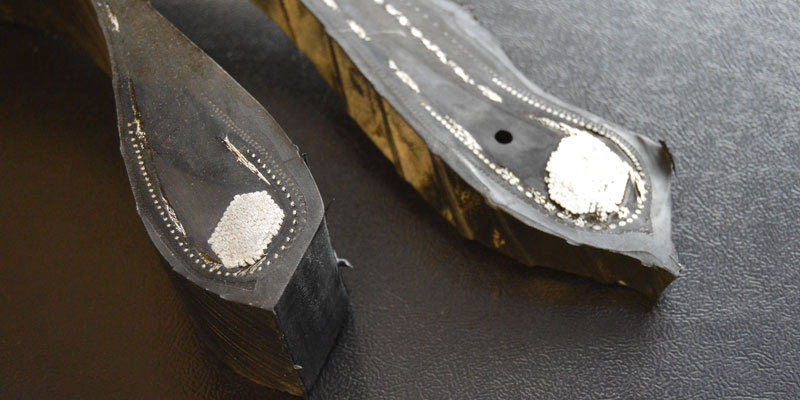
What does a tire bead do?
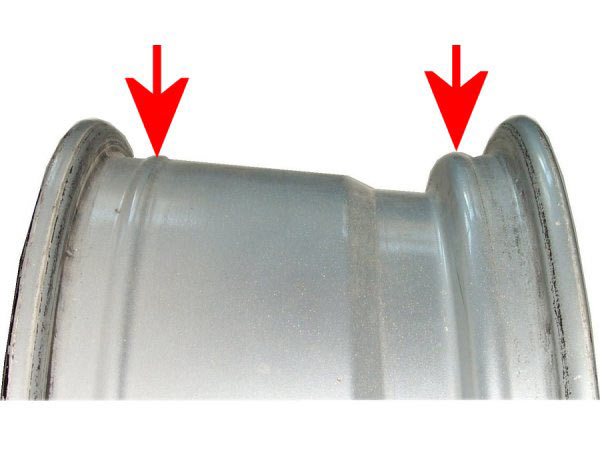
- Wheels have a bead hump built in. As you add air, the bead moves toward the edge of the wheel barrel and slides over the bead hump into the bead gap, which holds it in place. If you hit a curb or rock and get a flat, the impact likely pushed the bead out of the gap and over the hump, letting air escape. When the tire is properly inflated, air pressure keeps the bead in this groove.
- The bead creates an airtight seal with the wheel, which helps transfer forces efficiently as you drive. There’s a rubber compound near the bead’s steel wires that makes them less flexible and helps protect them from damage. This filler acts as a shield to protect the bead from road hazards.
In the image below, the two arrows point to the bead hump. This raised area on the wheel barrel is what the tire bead must get over to seat properly. The space between the wheel lip and the bead hump is called the bead gap. You need high pressure and lubrication to help a stiff tire bead cross the hump and seat in the gap.
What qualifies as an overinflated tire?
- All modern tires list the maximum inflation pressure on the sidewall. If you don’t see it, check the other side of the tire—it’s probably there. This number tells you the highest air pressure the tire can handle, whether it’s on a vehicle or not.
- If you go over the manufacturer’s maximum inflation pressure by a few PSI while mounting, don’t worry—just release the pressure right away to the correct level. As a general rule, installers shouldn’t go over 40 psi, but this can vary depending on the tire’s brand, size, or style. If you go more than 5 psi over the maximum, you might damage the tire, so it’s best to have a professional shop check it to make sure it’s safe.
Safety risks of over-inflated tires
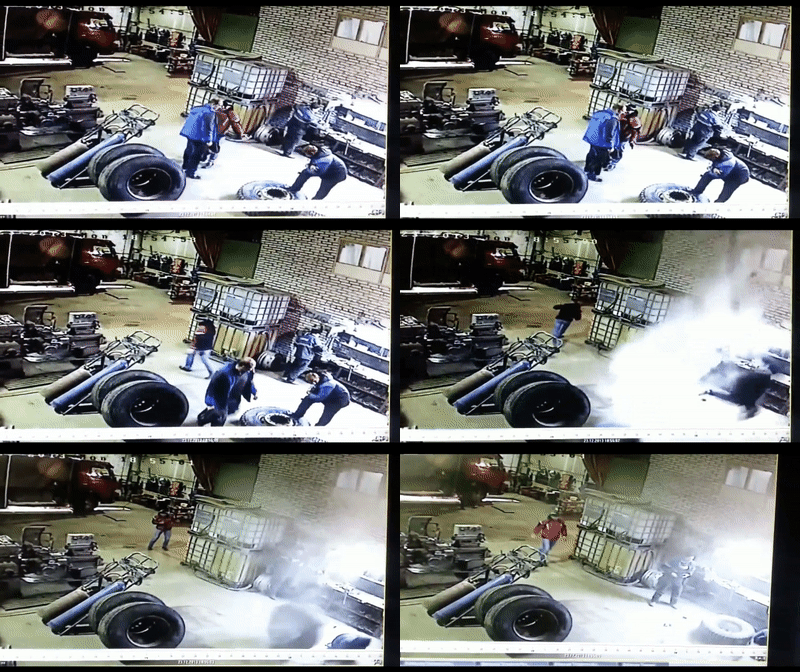
- Believe us, you don’t want to deal with a tire blowout. At best, you’ll have to pay for a replacement; at worst, it could be deadly. Over-inflating your tires puts you and others at risk, since a blowout can send debris flying at high speeds and cause serious injuries. That’s why every tire manufacturer lists a maximum inflation pressure—going over it can lead to a dangerous failure.
Wear and tear
- Yep, overinflation will cause your tires to wear out more quickly than properly inflated tires. Higher air pressure distorts the tire's profile, forcing only the crown (center) of the tread to be in contact with the trail or terrain.
- Overinflation can really affect how your tires perform and how long they last. It makes your tires more rigid and stiff. You’ll feel every bump, rock, or hole, and you’re more likely to get tire damage or flats.
Having trouble mounting your tires to your wheels?
- If you’ve tried every angle, tool, or trick you can think of and still can’t get your tire beads to seat, stop and take your tires to a professional shop. They have the right tools to handle stubborn tires safely.