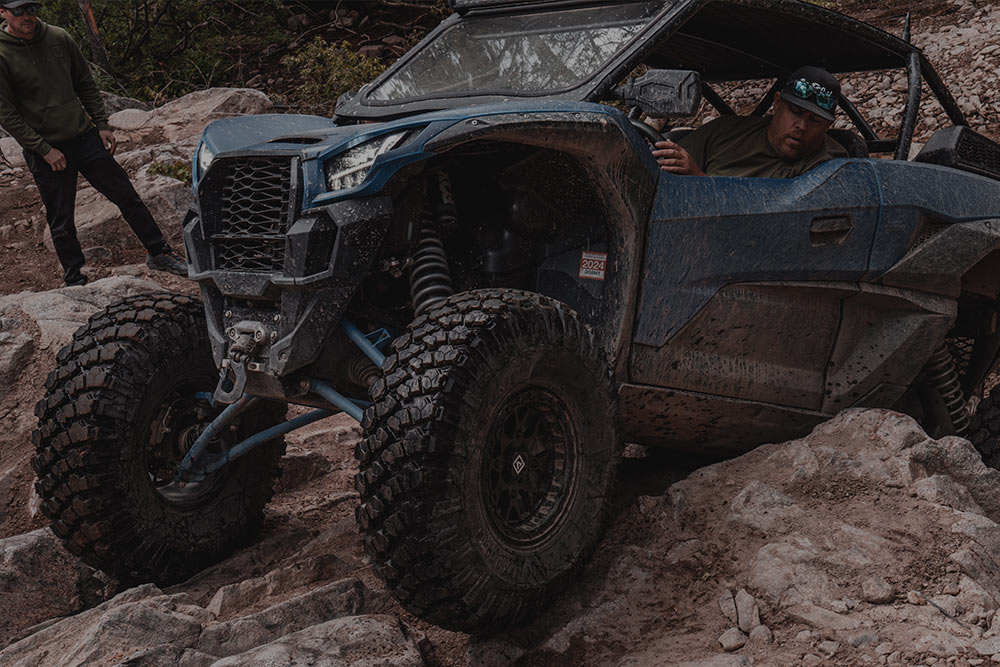


Just as confused as most people are when a buddy mentions they're building a UTV "overland" vehicle? Don't worry, you're not alone, and we can sympathize. The offroad market is evolving each year (sometimes each month), and we want to keep you up to date on trends, changes, and concepts, to make sure you know what you're talking about the next time someone mentions an offroad topic. In a nutshell, The Source is a place for all enthusiasts to get to the core of popular and trending offroad topics and conversations.
SO, WHAT IS OVERLANDING?
Overlanding is self-reliant overland travel to remote destinations where the journey is the principal goal. Typically, but not exclusively, it is accomplished with mechanized off-road-capable transport (UTV), where the principal form of lodging is camping, often lasting for extended periods (months to years) and spanning international boundaries.
Overlanding is traveling over vast distances by land, which most of the time requires driving on unpaved roads. However, off-roading is the driving you do once you're on said routes. Overlanding involves off-roading, but off-roading isn't overlanding. Because of this overlap, overlanding and off-roading are often used interchangeably. And, on the surface, the vehicles used for both activities can seem fairly similar.

We'll never know who started all this hype, referred to as overlanding. Someone, somewhere along the way, had had enough of everyone's BS, packed their outdoor gear, and headed to the remote to get away from it all. They were the original OG outdoor introvert. The essence of "I hate everyone". They didn't have fancy gizmos for keeping coolers cold and weren't packing for a day trip. These folks packed everything they owned/needed and just... left, not for a vacation or for a couple of weeks of living the simple life. This was a choice, a decision to go off the grid in search of the most remote parts of our planet where little to no one had ever been.
Those of us unlucky enough to have landed a desk job would give our left leg for that kind of freedom. The open wild. The crisp morning chill, with no email chimes or meetings to log into. The original pioneers referred to this lifestyle as being simply "outdoorsy". Americans, much later on the timeline, rubber-stamped a special name behind this style of "leave me alone". We now refer to these extreme outdoor evangelicals as "Overlanders".
Do you have an Overland-rated UTV?
Wondering if your vehicle cuts for being "overland"? We boiled the entire culture down to a few simple questions to ask yourself below.
- Do you have more recovery gear than ever necessary, and you know exactly how to use all of it? Yes? Good. Pat yourself on the back.
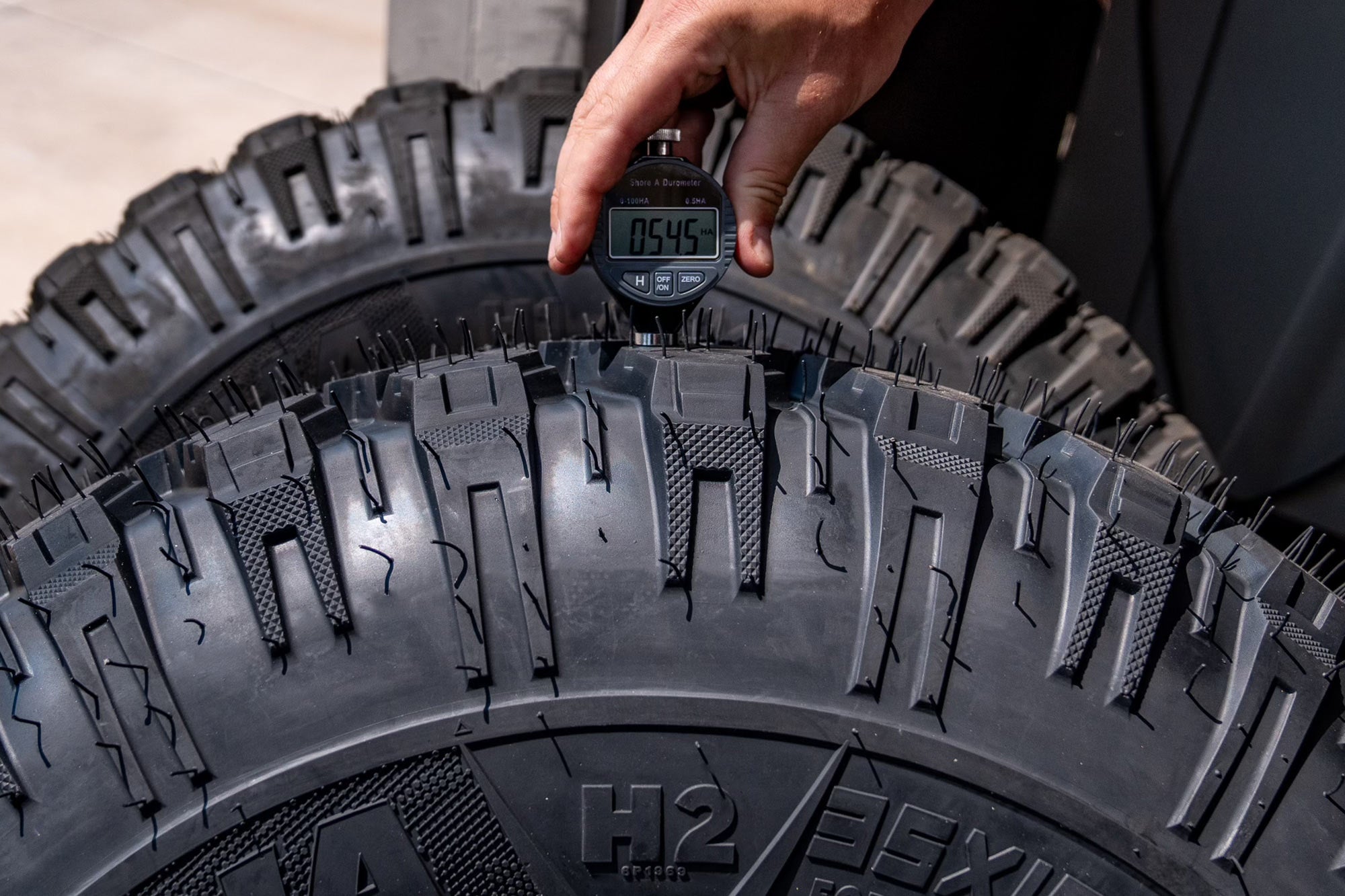
- Are your UTV tires rated for longevity instead of looks? There are exceptions when a tire has both, but it's unlikely. Pick for longevity and high puncture resistance.
- Do you have an on-board or portable compressor to air down/up your tires when needed? If not, sorry, Charlie, you're just a weekend warrior.
- Do you have GPS Navigation? This isn't a deal-breaker, but ask any true Overlander, and they'll tell you that knowing where you're going and how to get there is essential. You can use a paper map, but what happens if you cross state/country lines and your paper map becomes toilet paper?
- Do you have a rooftop tent? Trick question. If you have a rooftop tent, you are the exact opposite of Overlanding, and may God have mercy on your soul. Go take it off your poor UTV right now and buy a normal tent and a really expensive sleeping pad. Save yourself literally hundreds of pounds in exchange for what normal people have been doing for centuries. If sleeping on the ground is too "rough", maybe Overlanding isn't for you.
- Do you have adjustable spot lighting? Mounting a couple of light bars and high-powered static pods on your UTV is plenty for most, but the Overlanding lot needs a little different setup. Lighting needs to be adjustable and provide 360-degree coverage.
- Do you know what a sanitation trowel is? Not only is this a quintessential tool (or a normal shovel) for extended stays in most of the US, but more and more locations require that you pack out everything you brought in. It's nasty business, but LNT is a lifestyle, not a choice. If you're wondering what Leave No Trace (LNT) ,is or you've never heard of Tread Lightly! (TL!), Go research and immediately adapt the core principles into your camping/offroad mentality.

Recommended Packing List
- Spare tire(s)
- Tire plugs
- Shovel
- Recovery bag
- Portable (on-board) compressor
- GPS device or app(s)
- Quality cooler
- Portable battery
- Solar panels (100% Off-Grid)
- Water filter
- Water storage
- Two-burner camp stove (pots/pans/utensils)
- Refillable propane tank
- Tent with a sleep setup
- Tire table
- Camp chair(s)
- Sanitation tools (Port-a-loo, trowel/shovel, etc.)
- Layers for all elements (see our winter list here)
- Portable speaker

Are you actually a dirtbag?
The climbing world also has a name for this chosen lifestyle, affectionately called a dirtbag. These folks search high and low for coded lines in rocks, looking for the perfect pitch to hang their life from. They have highly technical gear, but mostly it's the creature comforts of a soft camp chair and warm coffee that add enough of life's zest to get the day going. And... yes, that was in fact a 1995 Toyota Corolla you recently saw on a black-rated off-road trail with a dirtbag living in it..... so settle down with the 37" of clearance on your $90K lifted Pro R on portals. Overlook the climbing gear and the scabby palms, and are we really that different?
Aren't we all just searching for a little slice of quiet?

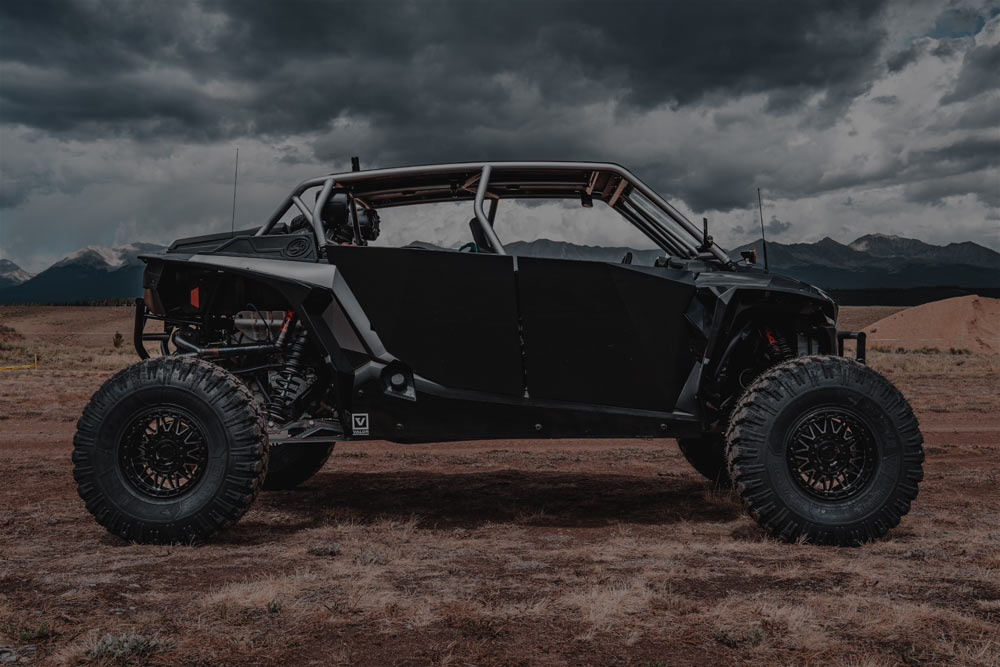
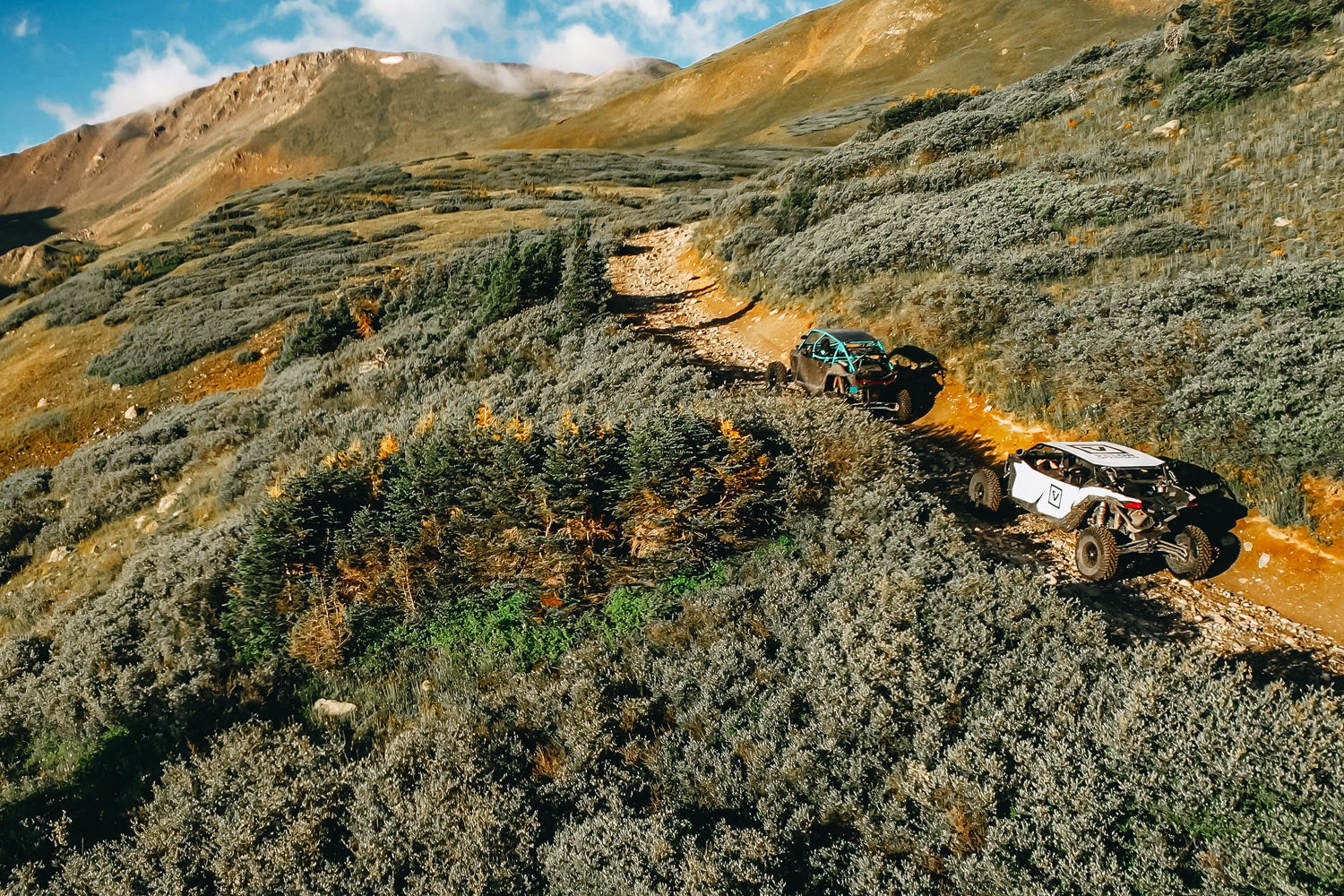
All builds shown in this post are from the amazing guys over at @Draco_UTV