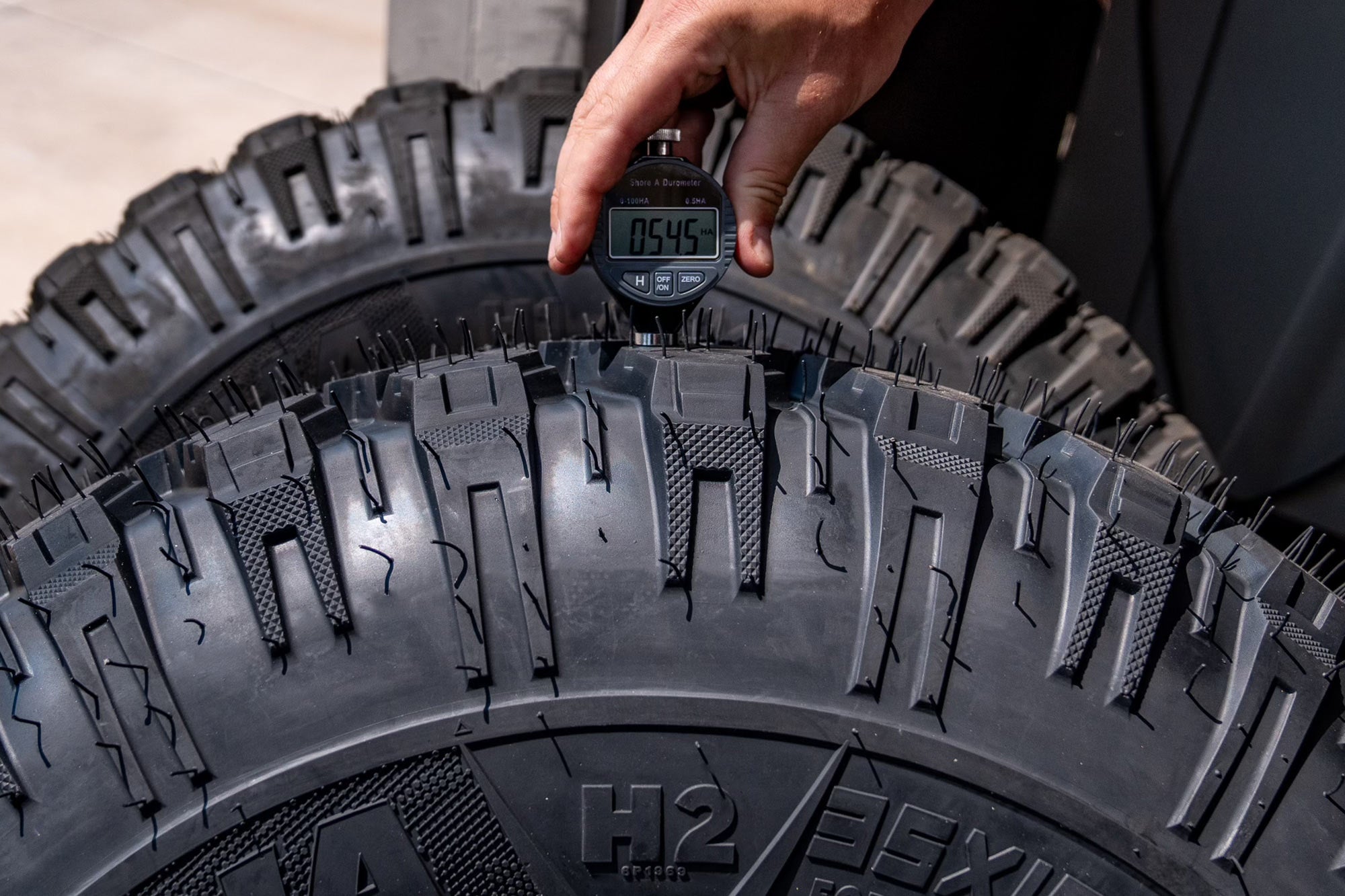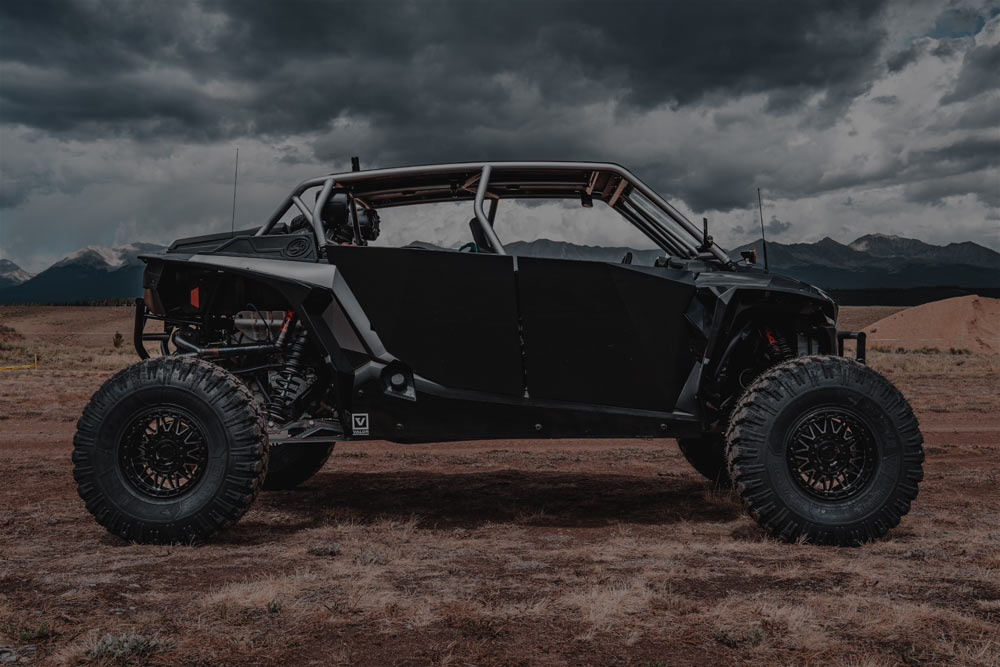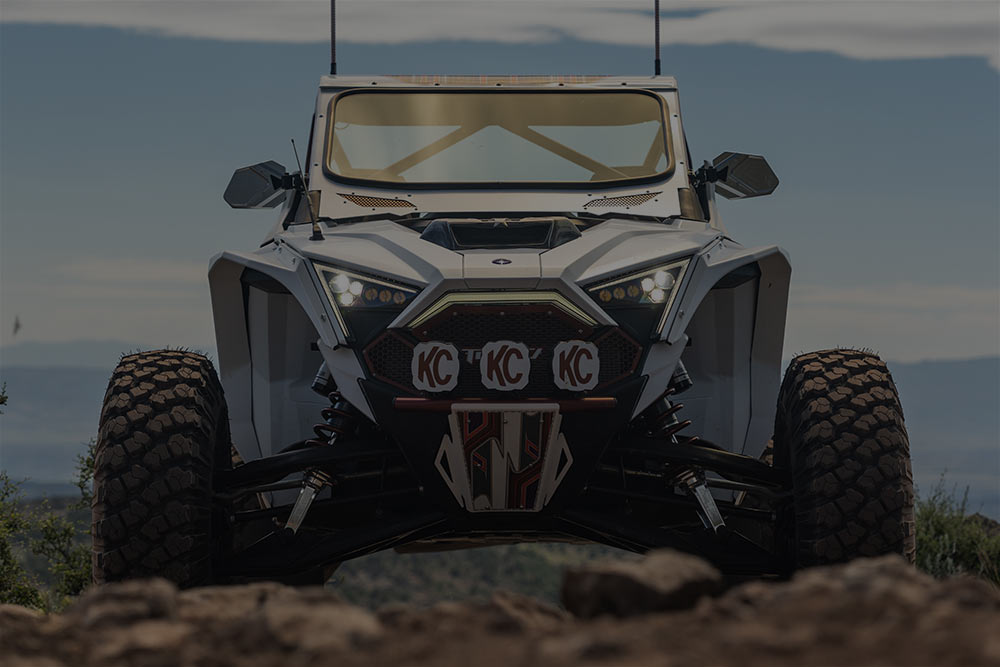

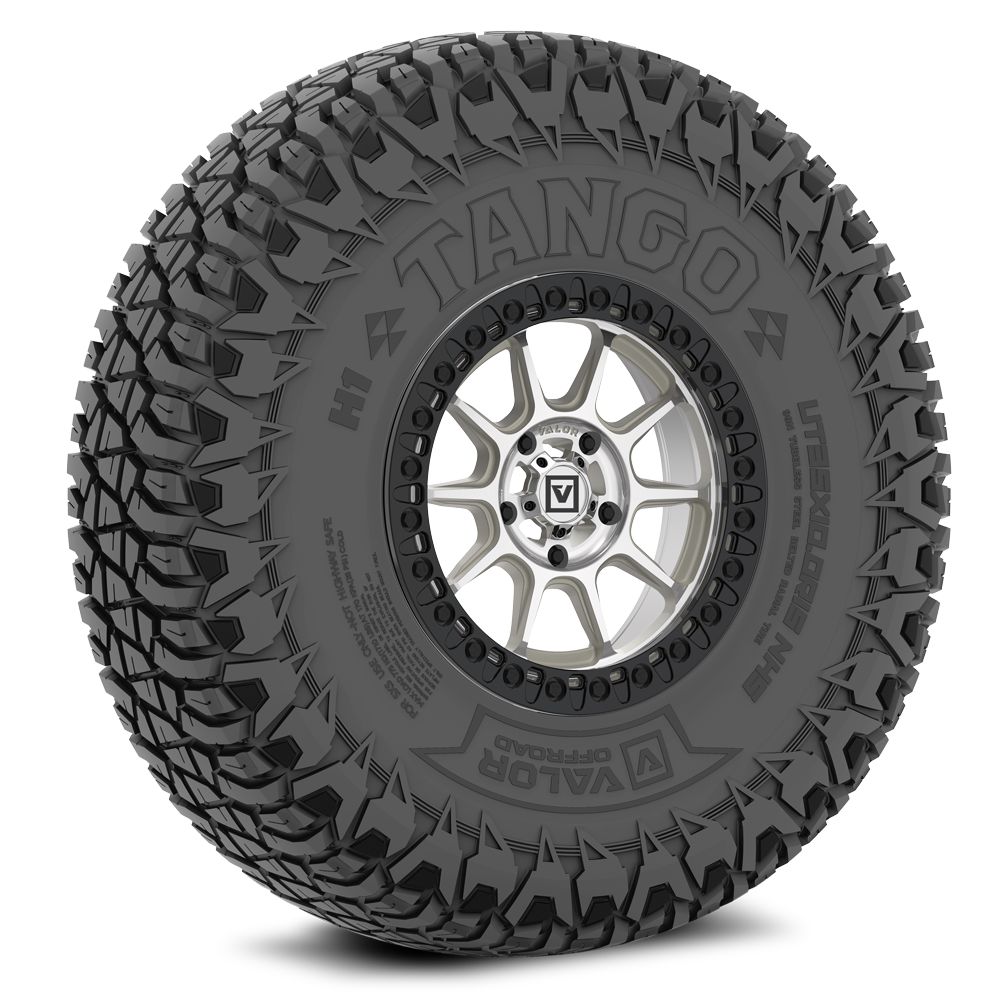



People often ask if weight really matters. Some think losing a pound or two won’t affect your SXS or UTV’s performance. But every pound makes a difference, and small weight savings across your vehicle add up. For example, removing four pounds from each tire and three or more from each wheel can total over 25 pounds. And that’s just from wheels and tires. Imagine the impact if you consider every part of your build.
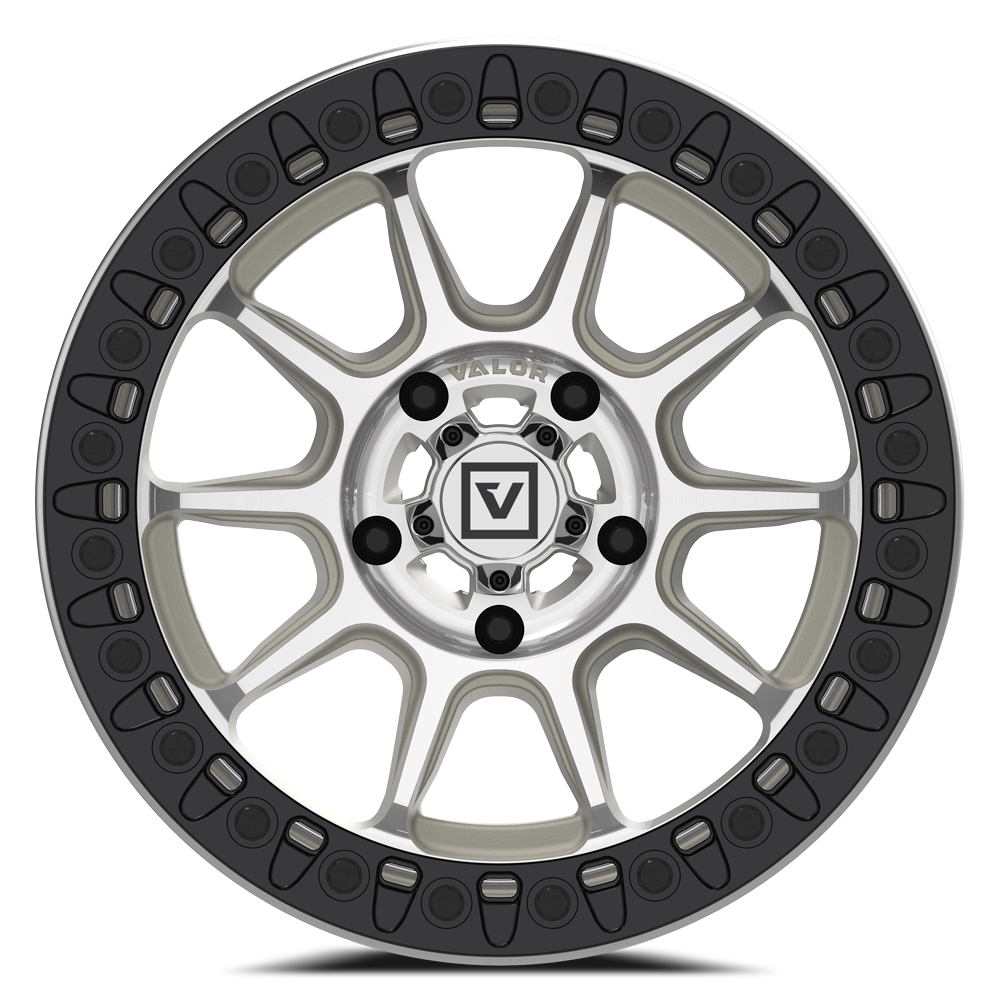
Let’s talk about UTV wheels, which is what we specialize in. We offer some of the lightest beadlock UTV wheels available, and our lineup is lighter than many other brands'.
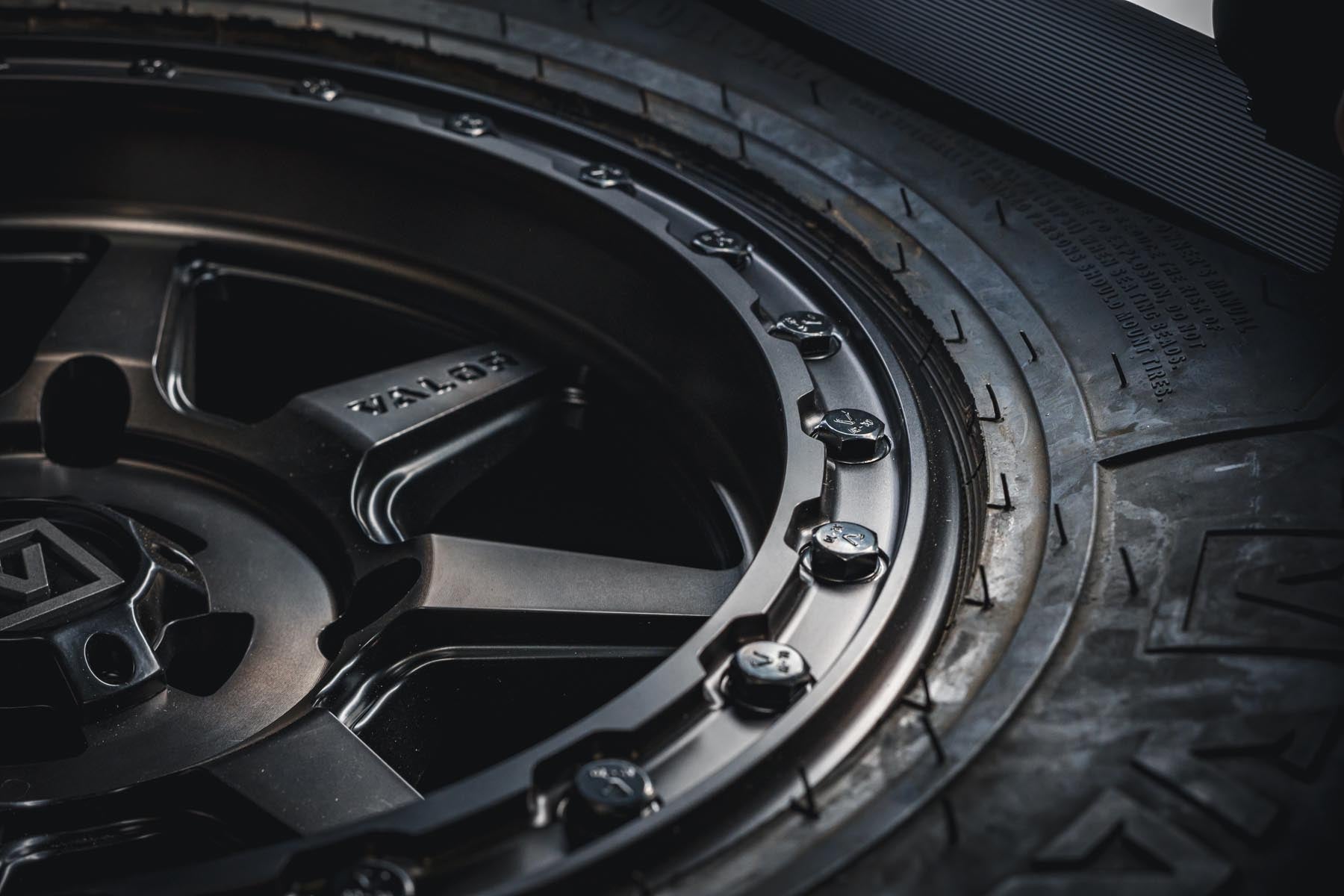
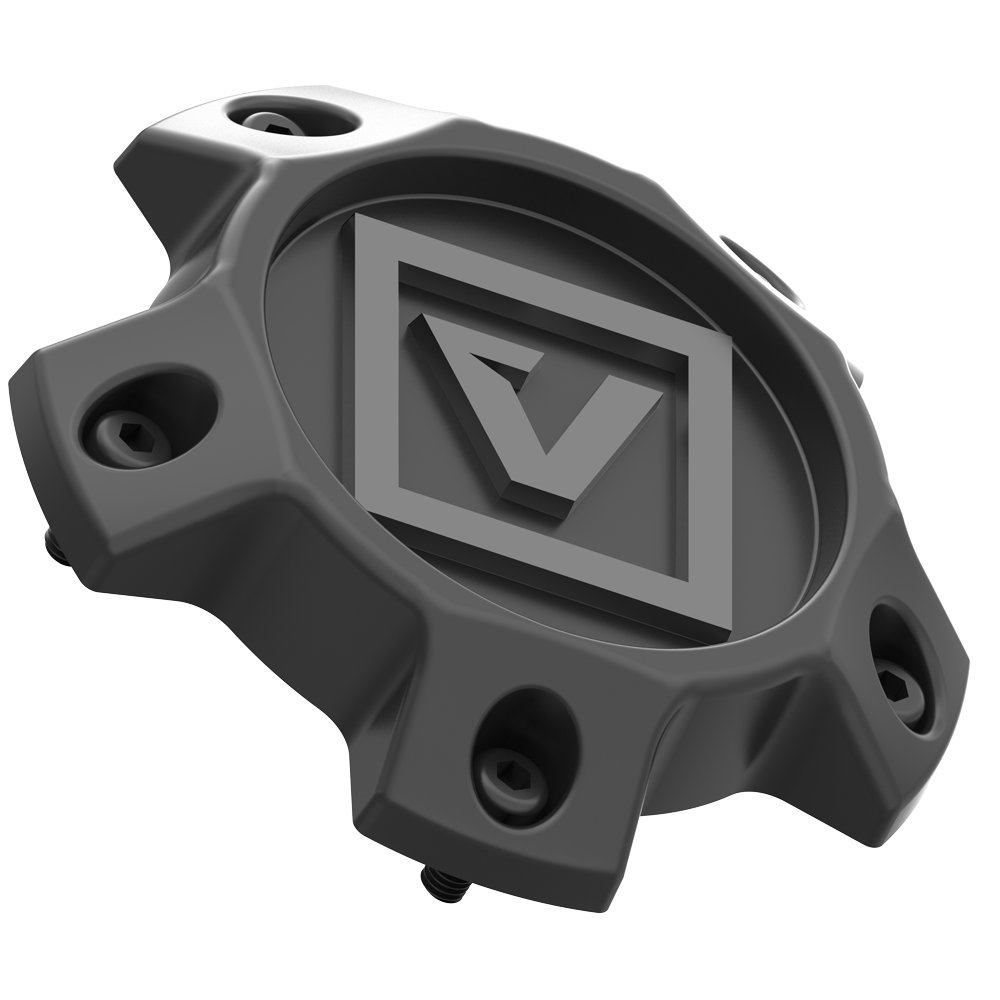
Wheel design and style are key if you want to cut unnecessary weight. Bulky spokes, oversized center caps, and fake beadlock hardware can add extra pounds, making your wheels heavier than OEM standards. So, what should you look for in a lightweight UTV wheel?

Size:
If your UTV or ATV came with 14-inch or 15-inch wheels, switching to bigger wheels or tires will add weight, no matter what kind you choose. If your stock wheels are 15 inches, it’s usually best to stick with your OEM size to match or improve on factory standards.
Offset:
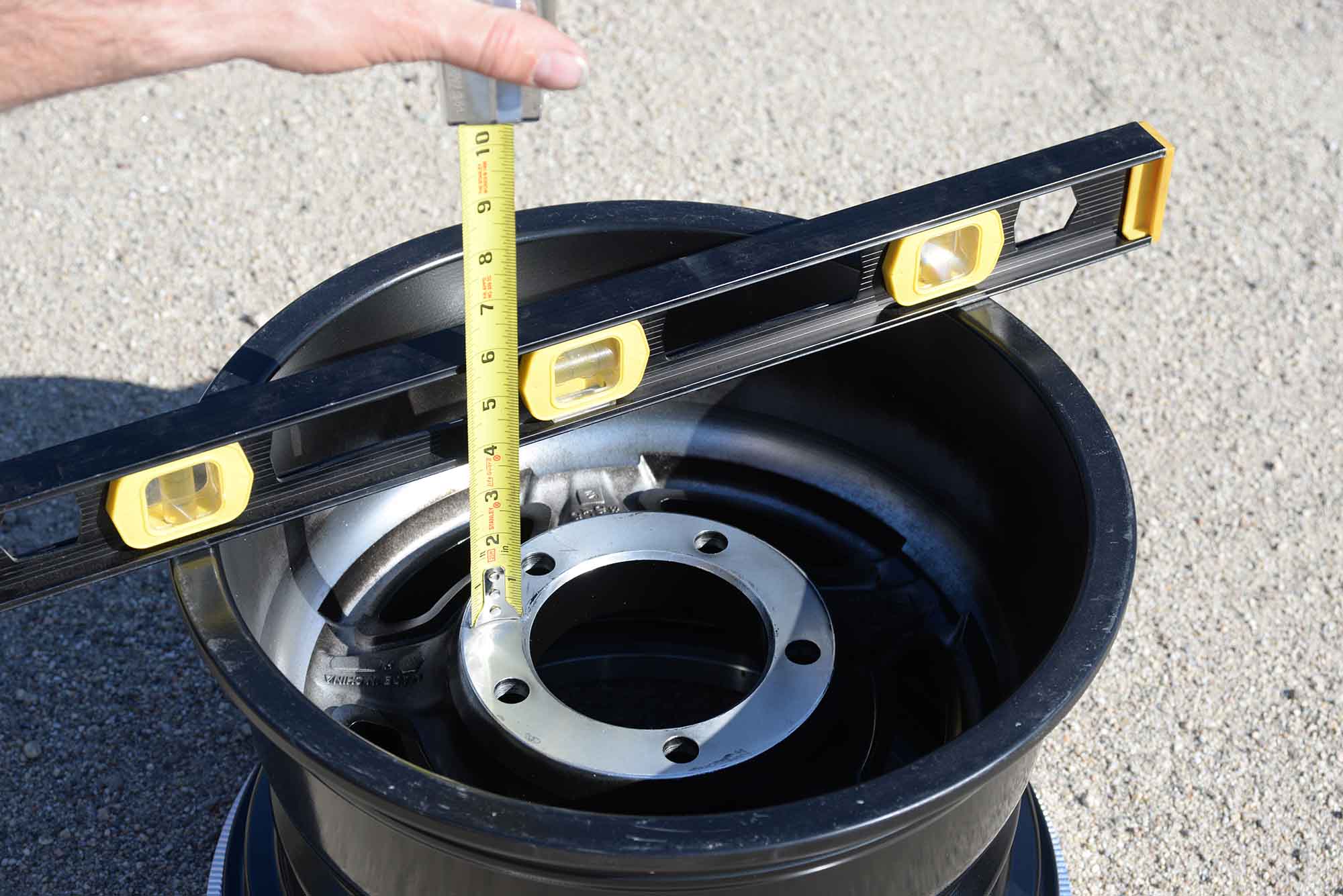
Your wheel’s offset affects its style. If you choose a high offset, your wheel will have no lip and look flat, like a dinner plate. If you go with a low offset, your UTV might not fit on your trailer because you’ve added about five inches to its width. When picking the right offset for your needs, pay attention to weight. A higher offset changes spoke design, making it simpler and lighter, though sometimes less stylish. Lower-offset wheels allow for more elaborate designs and swooping spokes, which can add more than 3 pounds to each wheel.
Spoke Design:
Making wheels is about finding the right balance between style, strength, and weight. Some brands focus more on one or two of these, but it’s rare to get all three just right, since adding strength often means adding weight. The easiest way to cut weight is to pick a wheel with thin, light-looking spokes. Chunky, heavy-duty wheels might look good, but they add extra weight. If a product page doesn’t list the wheel’s weight, it probably means the design focused more on looks than function. In the end, pick a design you like and that fits your build.
Load Rating:
Sending your race UTV off a 100 ft jump going 75 mph? You may need to consider looking at higher wheel load ratings. For the rest of us, daily drivers and weekend warriors, a 1,000-pound load rating is plenty strong for any trouble you plan to get into. How do we know? Because we've been manufacturing UTV wheels for over two decades under some of the most popular brand names in the industry.
What exactly is a load rating?
Wheel load rating requirements are determined by dividing the vehicle's heaviest gross axle weight rating by 2. The axle weight rating for most vehicles is shown on the identification label located on the driver’s side door jamb, gas tank door, truck lid, or glove compartment.
Brand:
Not all wheels are created equal. Have you noticed lately that every automotive brand has jumped on the bandwagon and is selling you their latest and greatest UTV wheels? Just because a brand makes an automotive dually wheel or a three-piece C10 wheel doesn't mean they know what they are doing in the powersports world. Valor Offroad products are ATV- and UTV-specific, meaning we ONLY do powersports products. We live, eat, and breathe powersports so you can hit the trail with confidence knowing that our products were specifically engineered with your vehicle as the centerpiece. Look at the specs and pay attention to the details when you are shopping for new wheels. Simply shrinking a wheel down from a 24" truck into a UTV size/version isn't good enough; it can actually hurt your performance and can lead to a bloated/heavy, under-engineered wheel. We know UTVs, and our products improve your vehicle styling AND performance.

So, how does weight affect performance?
Now, let’s see how wheel weight changes your vehicle’s ride, performance, and handling.
A vehicle’s total weight includes everything on it and affects how it accelerates, brakes, and corners. Reducing weight helps performance because there’s less mass to move, so less energy is needed. Unsprung weight is the part of the vehicle below the springs that moves when you go over bumps or through turns.
Lowering unsprung weight helps your springs and shocks do a better job of controlling the suspension. Rotational weight includes all the spinning parts, like the engine’s crankshaft, wheels, and tires. Reducing the weight of these parts makes it easier for your vehicle to speed up or slow down, which improves overall performance.
Wheel Weights
Curious how Valor Offroad stacks up against other brands for weight? Check out our product specs page for all the details. We think you’ll be impressed.
Conclusion
As we’ve shown, weight really does affect performance, but it’s up to you how you reduce your vehicle’s weight. For example, leaving a full cooler at home saves 20 pounds, while upgrading to 35-inch tires instead of 32-inch adds 50 pounds. Skipping the spare wheel and tire saves 40 pounds. It’s all about finding the right balance between adding and removing weight.
Always remember, don’t cut back on safety or essential tools to save weight. Make sure you have what you need for emergencies, such as medical supplies, a spare tire, or repair tools, so you and your passengers can get back safely.
Want to learn more?
We also have a detailed blog post that explains the difference between sprung and unsprung weight, and how wheel weight affects your vehicle’s performance.