



Everything You Need to Know About 4x156 UTV Wheels
4x156 (4×156 mm) is a 4‑lug bolt circle common on many UTV/ATV applications. This post explains who uses it (examples), what hub details to expect, how to measure bolt pattern, typical wheel weights for 15" wheels, and the difference between PCD and “bolt pattern.”
What does “4x156” mean?
- 4x156 means four lug holes arranged on a 156 mm diameter circle (bolt circle diameter). It’s sometimes written in inches (4×6.142" ≈ 4×156 mm).

Typical vehicle fitments (examples & caveat)
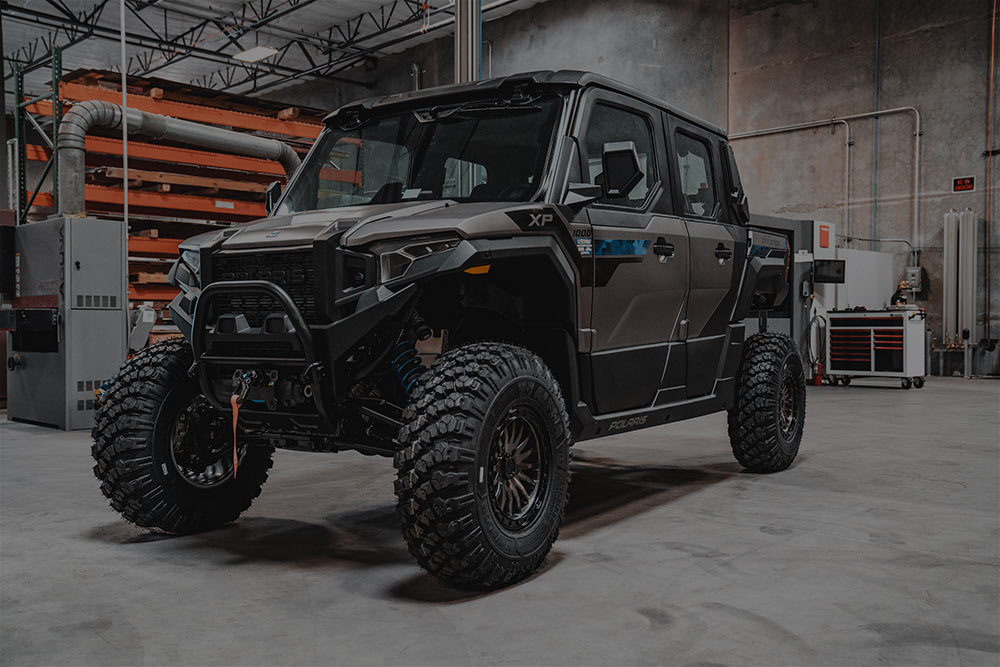
- 4x156 is found on a number of UTVs and some ATVs. Common examples include many Polaris models (RZR, General, and Ranger variants), select models from Arctic Cat / Textron, and a handful of older Kawasaki and other utility machines.
- Important: Fitment varies by model year, trim, axle/hub option, and aftermarket lift/adapters. Always confirm fitment with your vehicle’s OEM specification or by measuring your wheel hub directly before purchase.

Typically 4x156 wheel hub measurement(s):
- Wheels themselves can be:
- Hub‑centric: center bore matches the vehicle hub for precise fit (preferred).
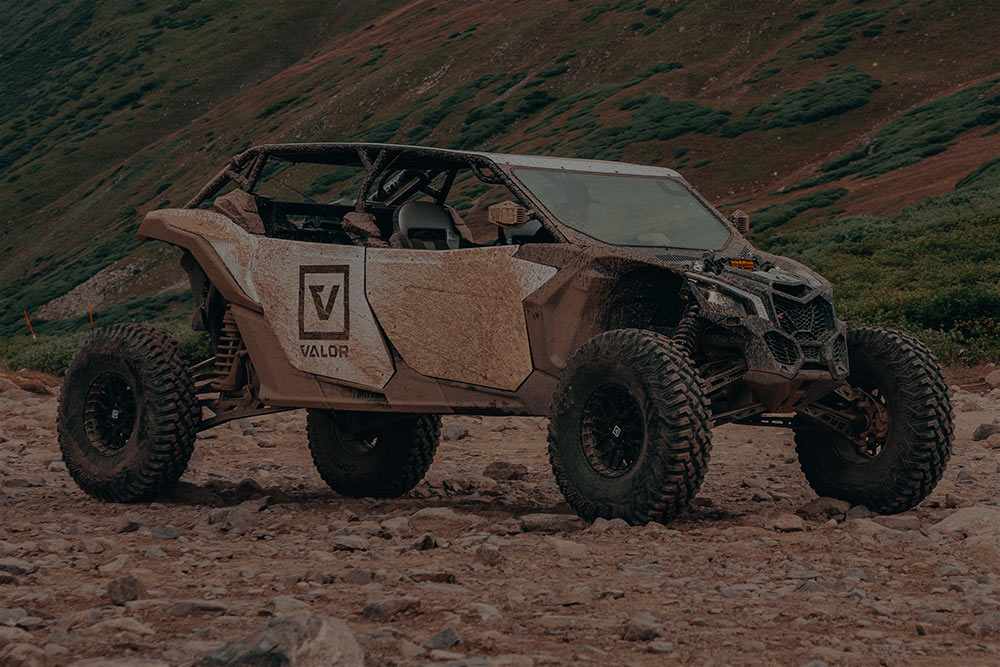
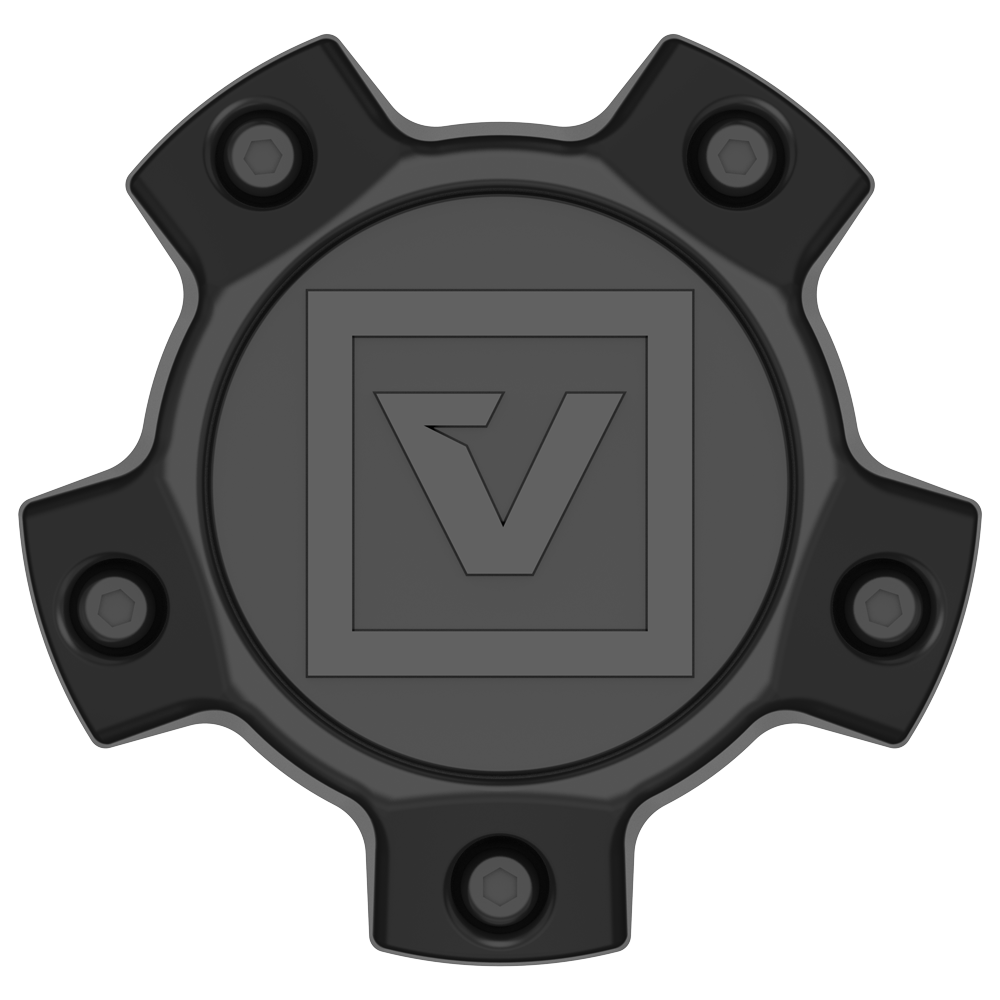
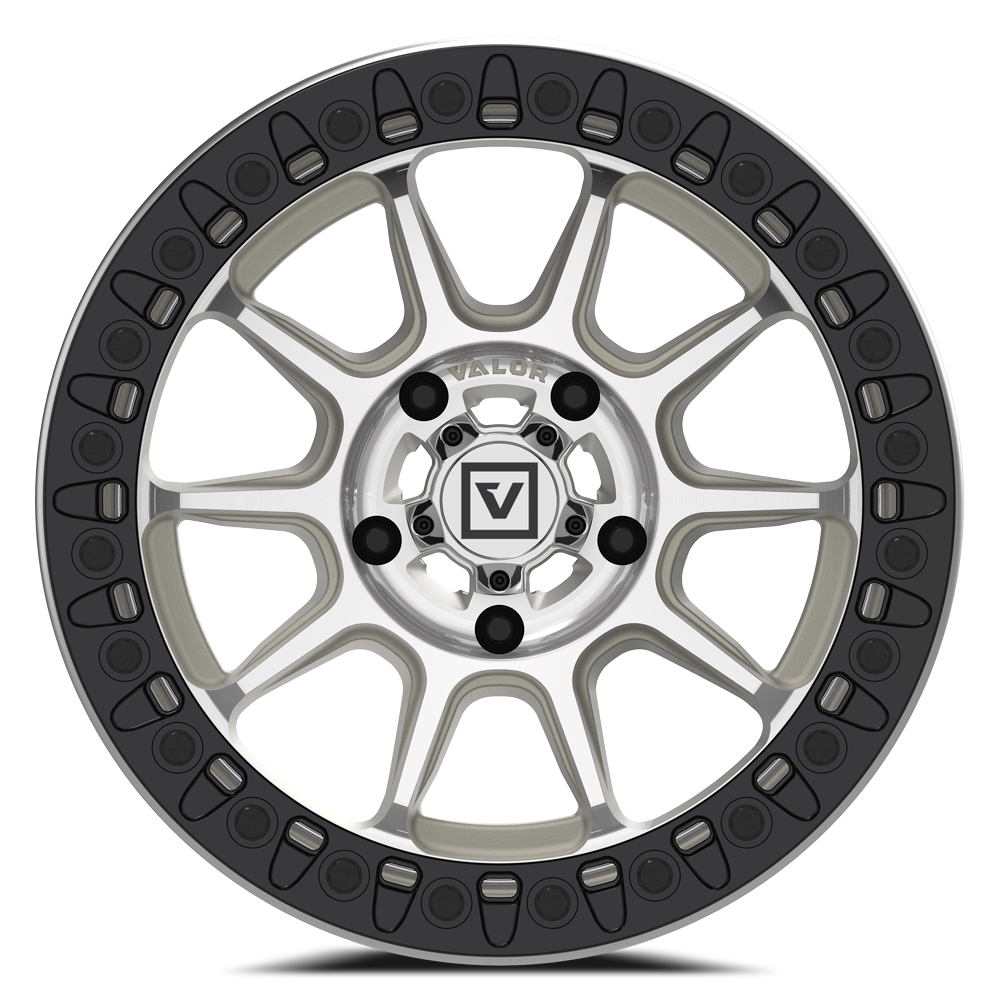
- Lug‑centric: relies on lug nuts to center the wheel. This is more common on aftermarket wheels, and all Valor Offroad wheels are lug-centric wheels.
- What’s included/required:
- You’ll typically need the vehicle’s factory lugs (studs) and nuts; some wheels include lug nuts or require longer studs if spacers/adapters are used. All Valor Offroad wheels require custom lug nuts to mount the wheels to the vehicle. Shop UTV Lug Kits
- Common hub features: a pilot diameter that fits the vehicle hub, and either an O.E. style spline or a conventional lug seat (tapered/ball/mag).
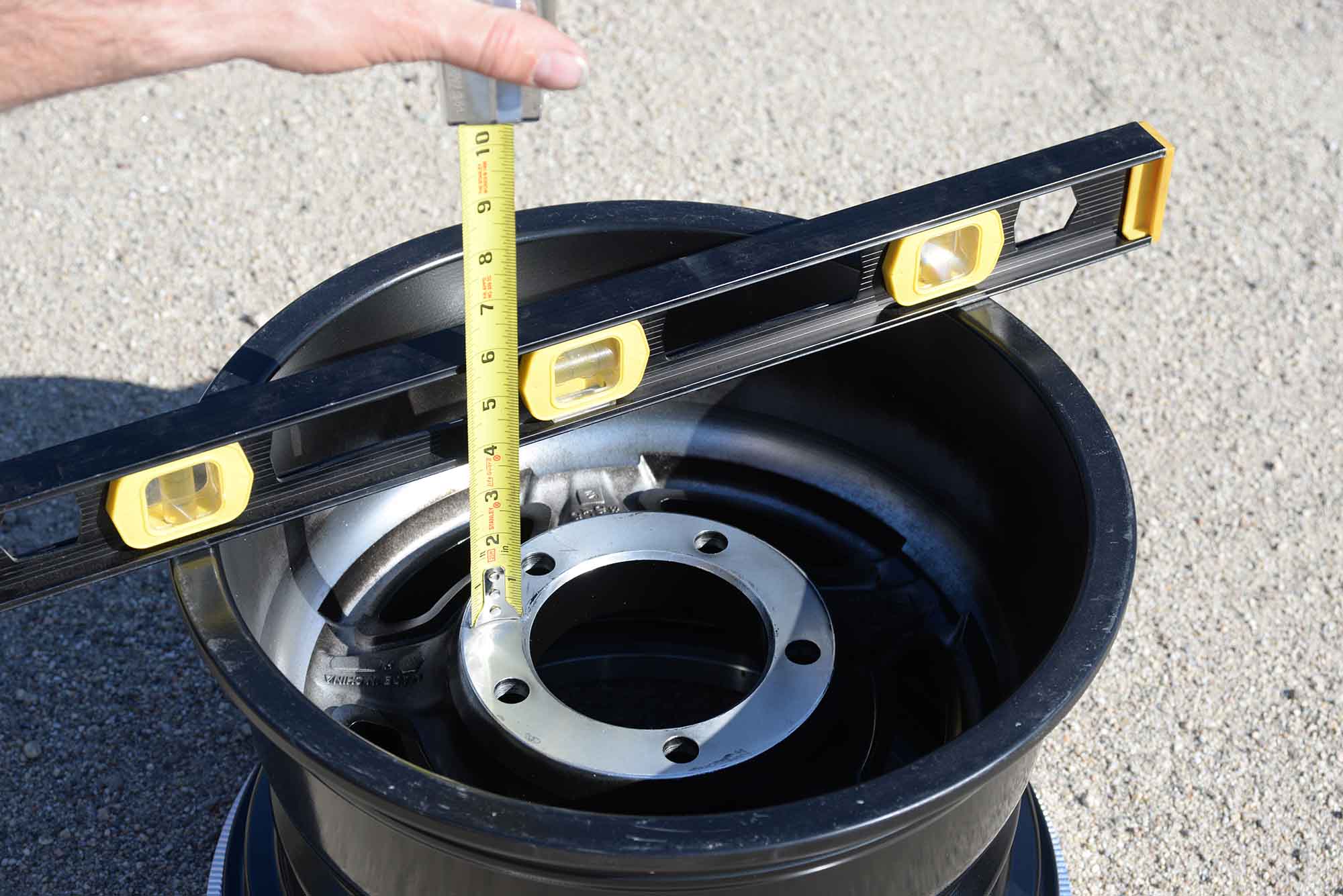
How to measure a bolt pattern (simple, reliable method).
- For even lug counts (4-lug, 6-lug), measure center-to-center across opposite holes; for odd counts (5-lug), measure center-to-center between adjacent holes, then use the correct formula or a wheel/template for accuracy.
- Don’t measure edge‑to‑edge of holes or use overall diameter—must be center‑to‑center on the bolt circle.
-
Tip: Use a bolt pattern measuring tool and take the guesswork out - See image:

4x156 wheel weight by material and construction.
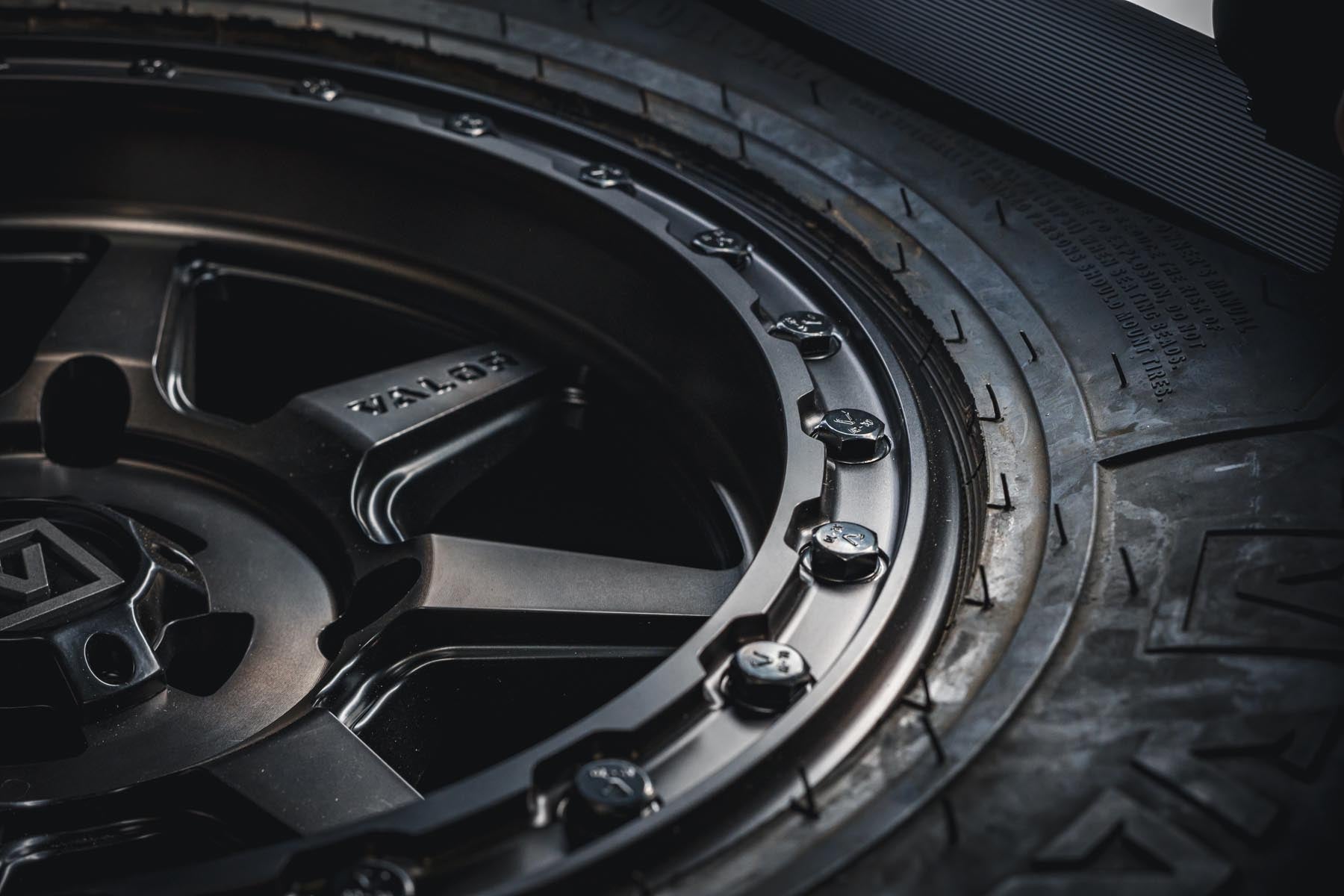
Actual weight depends on design, backspacing, and whether the wheel is beadlock or reinforced for heavy-duty off‑road use.
- Forged aluminum: ~14–20 lbs (6.5–9 kg) per wheel.
- Cast aluminum: ~17–25 lbs (8–11.5 kg) per wheel.
- Steel wheels: ~25–35+ lbs (11–16 kg) per wheel.
Difference between PCD and bolt pattern
- Bolt pattern = lug count × bolt circle diameter (units often inches), e.g., 4×4.5".
- PCD (Pitch Circle Diameter, metric/European) = same geometry, usually given in millimetres, e.g., 4×156 mm or 5×1114.3 mm.
- Both describe the diameter of the circle through the centers of the lug holes. Other synonyms for PCD include BCD (Bolt Circle Diameter) and BPD, which are used interchangeably.
Practical buying checklist
- Confirm OEM bolt pattern/spec for your exact model/year.
- Account for offsets/backspacing and clearance with brakes/suspension.
- Consider weight vs. strength (for trail vs. utility work). If using spacers/adapters, choose quality hardware and torque to spec.
4x156 is a common UTV bolt pattern, but not universal across every model year or trim. Always confirm measurements—bolt pattern, center bore, lug threads, and offset before buying. Questions? Check out our FAQ page or give us a call: (602) 935-0009