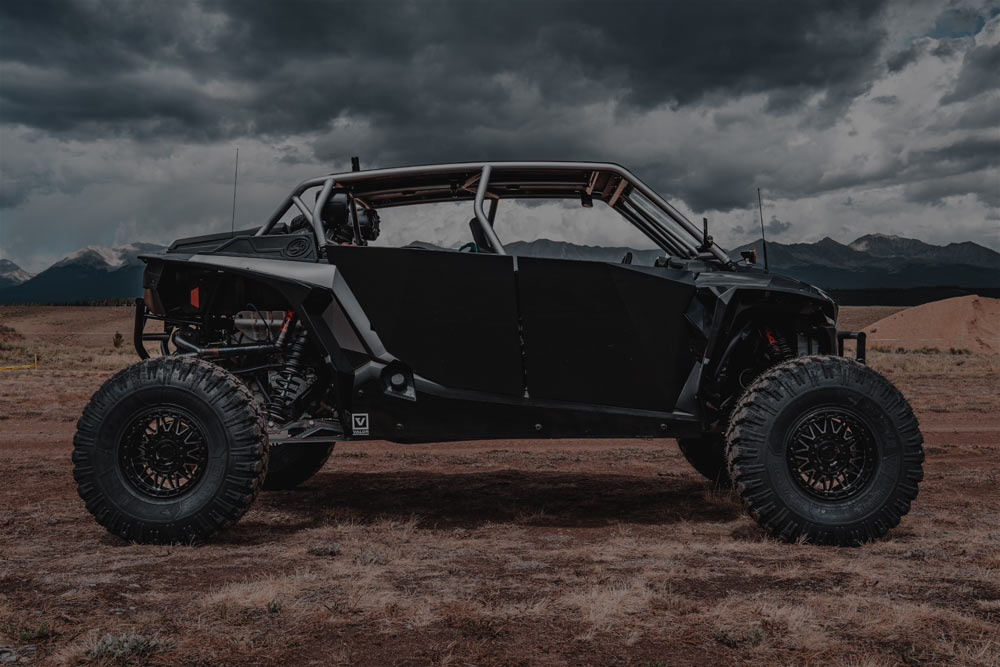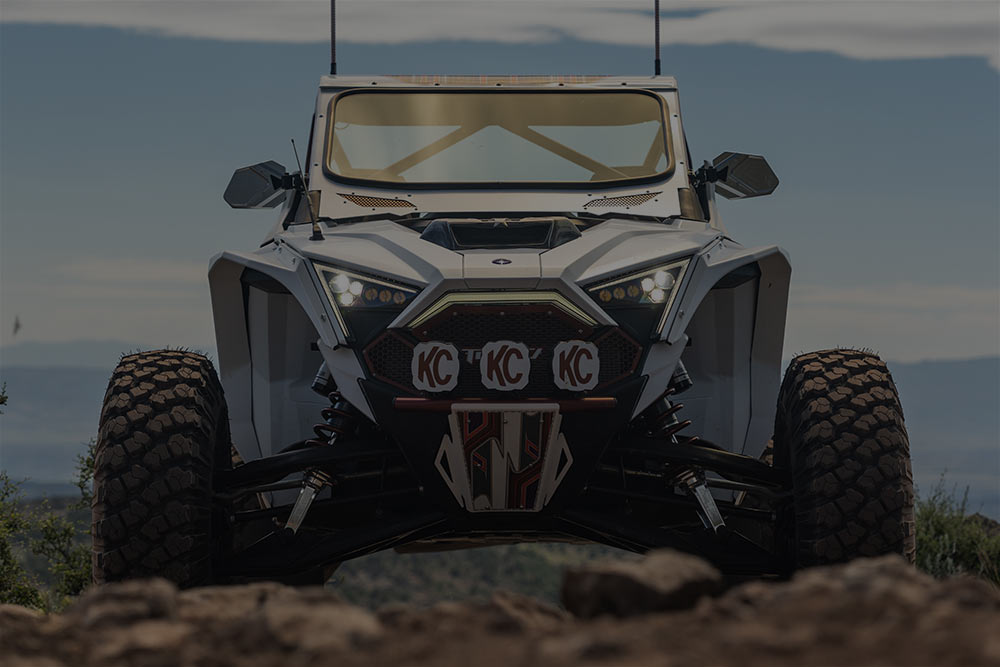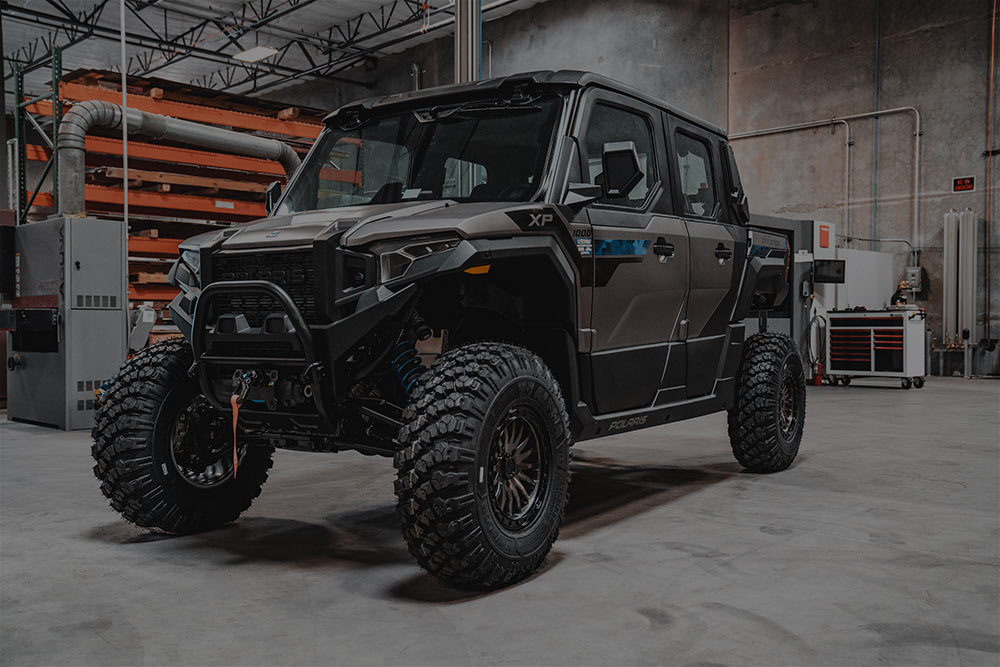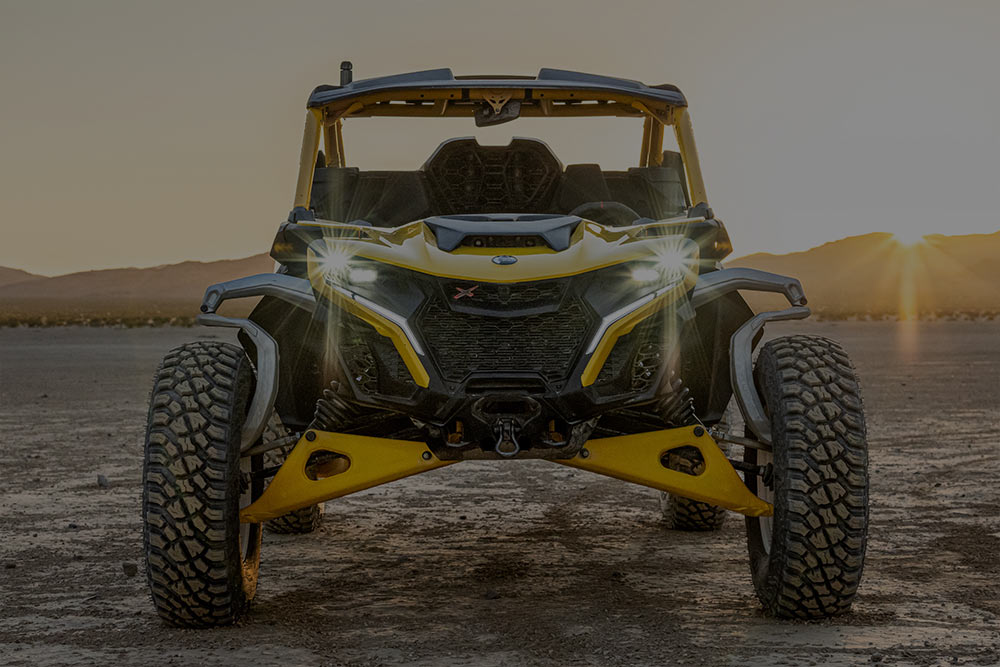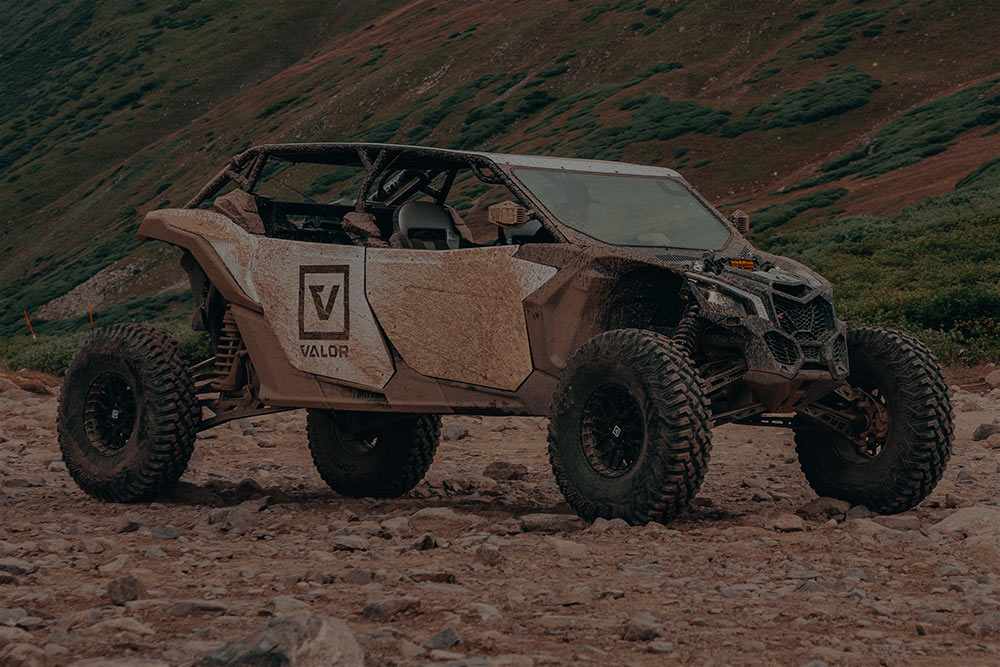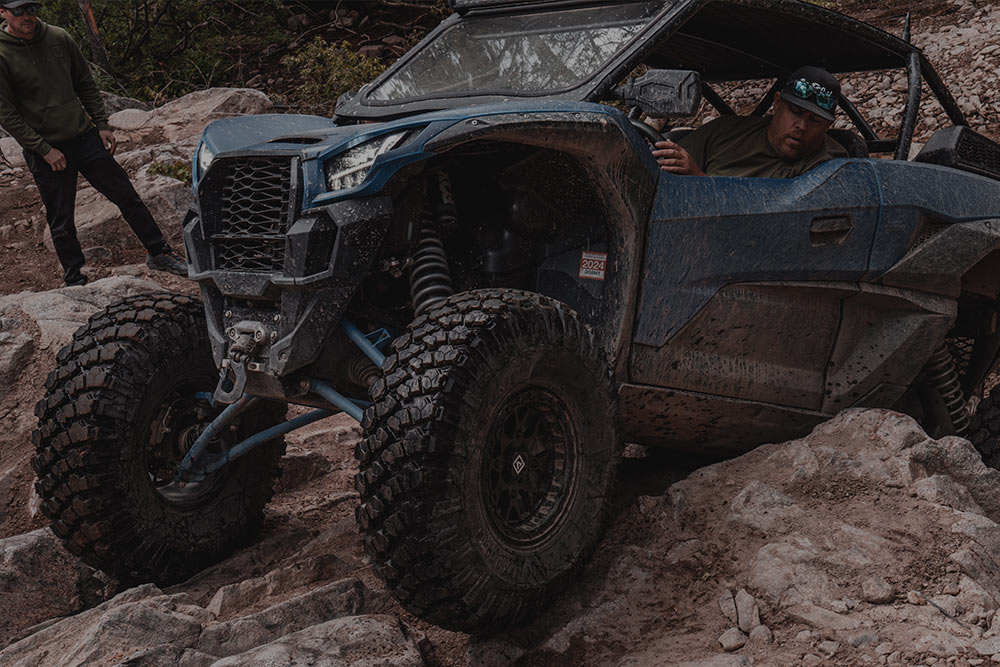


So you own an ATV—nice choice. While the market often focuses on UTV owners these days, there are still plenty of products made just for you. But what really sets ATV products apart from UTV products? Let’s take a closer look.

No matter your favorite flavor, UTV, SXS, or ATV, there are products proudly made for you by several high-quality brands. Brands tend to latch onto what is most popular or trending in the market, so it is no surprise that UTVs are getting all the hype these days. It's hard to disagree that a 250+ horsepower out-of-the-box machine is badass.
Tires:
The main difference between UTV and ATV tires is load capacity. For ATV owners, this means most powersports products are built to handle the demands of UTVs. However, this also means products are getting heavier to keep up with higher speeds.

ATV vs UTV weight comparison:
Polaris Sportsman: 911 lbs (413 kg)
Polaris RZR Pro R Ultimate: 2187 lbs (992 kg)
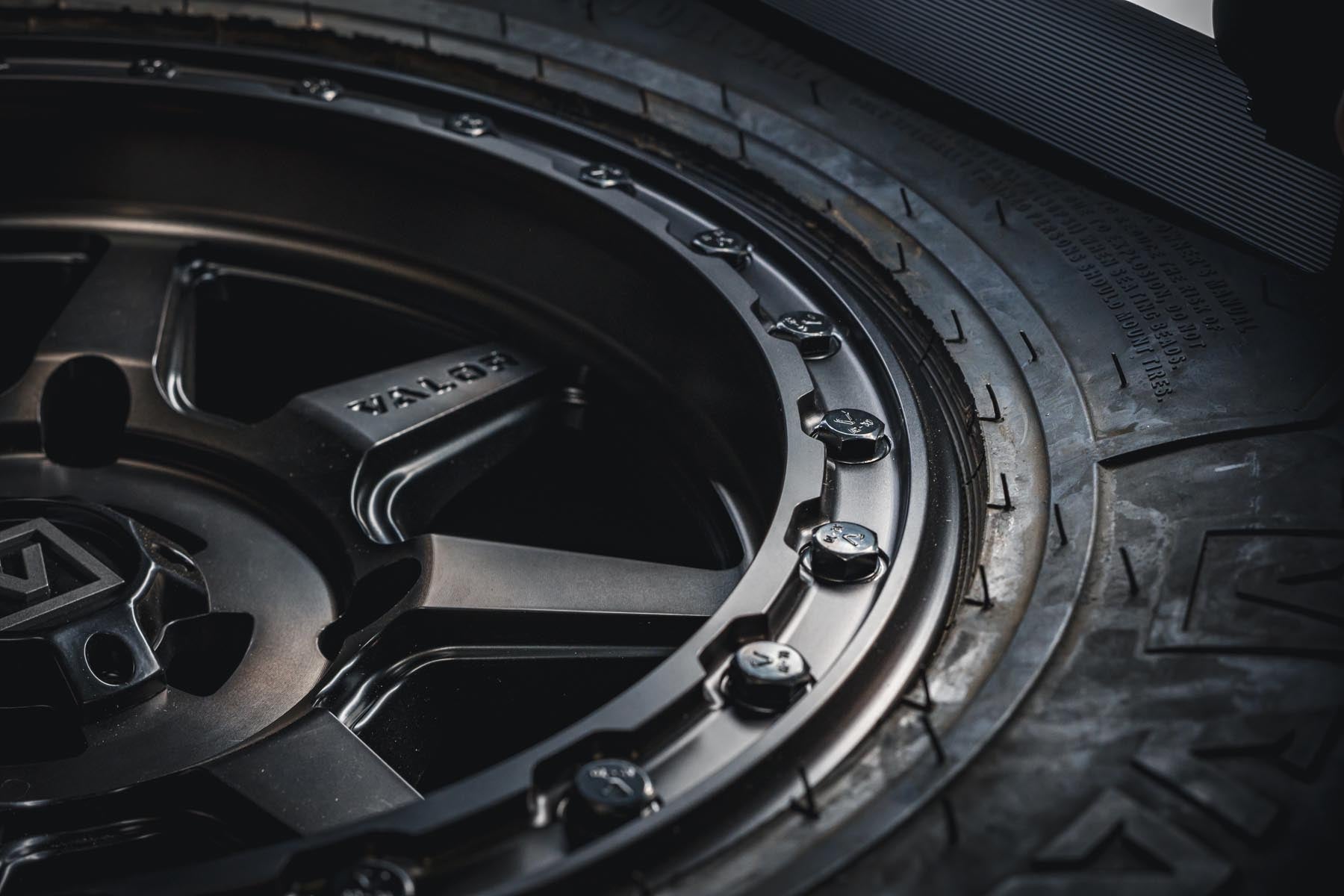
When shopping for ATV tires, always check the load rating to make sure it matches your vehicle’s weight. All Valor Offroad tires are rated for UTVs, so your ATV won’t overload them, no matter what you’re carrying.
Keep in mind that not all tires are the same. If you buy tires from Marketplace or a third-party seller, check their condition before using them, even if the price was great.

What to look for when purchasing used ATV tires:
- Tread: Always check that used tires have enough tread left. If the tread is worn down, you’ll be riding on the tire’s carcass, which isn’t meant for rough terrain. Using tires without enough tread can lead to quick failure.
- Age: Every ATV tire has a recommended lifespan. If you find a tire from a 1990s ATV, it will probably have wear like dry rot, cracks, an odd shape, or small leaks. Rubber breaks down over time, especially with sun exposure.
Considerations:
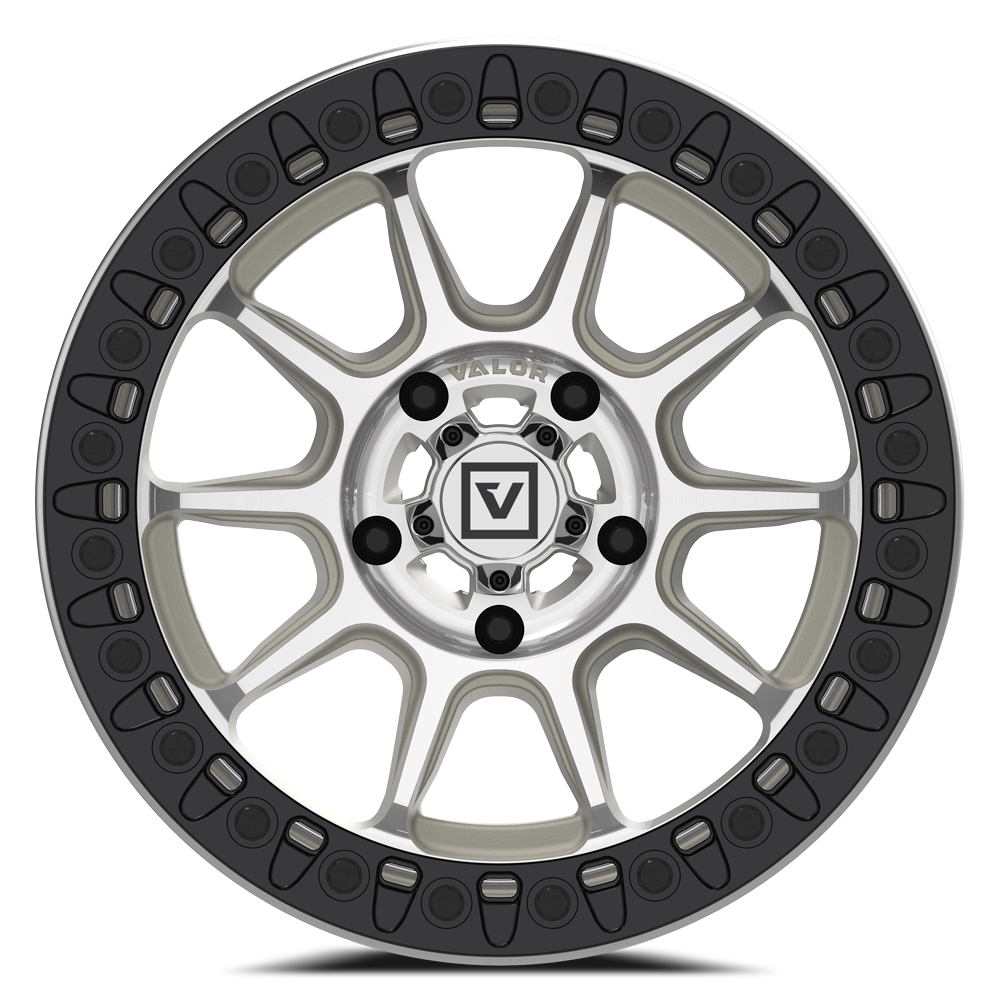
All Valor Offroad products are designed to meet the higher standards required for UTVs, so both UTV and ATV owners can count on strong performance and safety.